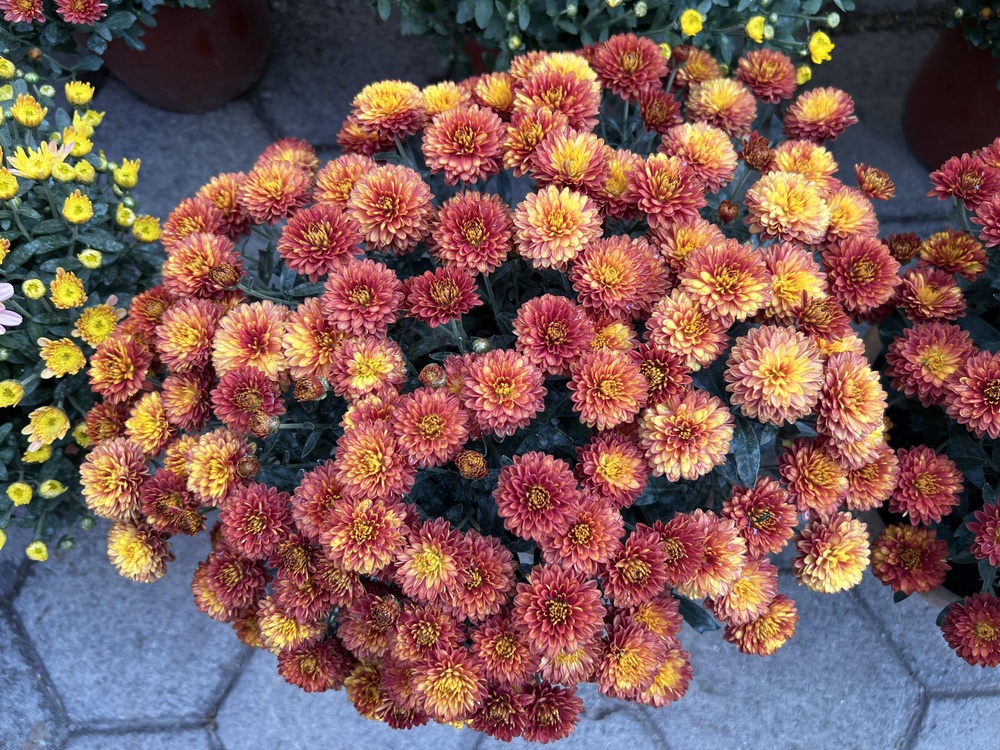
You bring home a beautiful pot of chrysanthemums, set it beside your pumpkins, and enjoy a burst of fall color on your porch. Then the first cold snap arrives, and suddenly those cheerful flowers are brown, drooping, or completely lifeless. It’s frustrating, especially when you paid $15 or $20 for a plant you hoped would last through Thanksgiving or return next year.
The problem isn’t necessarily that you did something wrong, because many store-bought chrysanthemums are grown primarily for seasonal displays rather than long-term garden survival. According to the University of Minnesota, many mums sold at big-box stores and grocery stores are florist types that aren’t bred to survive harsh northern winters. Understanding why store-bought mums die can help you make smarter purchases and avoid replacing the same flowers every fall.
Not Every Mum Is Actually Winter Hardy
One of the biggest misconceptions about chrysanthemums is that every variety sold in autumn will return the following spring. Florist mums are often cultivated for their colorful, uniform blooms, while hardy garden mums are selected for their ability to survive winter in appropriate growing zones. Specially bred hardy perennial mums can survive in USDA Zones 3 through 9, depending on the variety. Unfortunately, a plant labeled simply “mum” at a grocery store may not provide enough information to determine whether it’s suitable for your climate. Before purchasing, look for a named hardy variety and check its USDA hardiness rating rather than assuming every chrysanthemum is a perennial.
Fall-Planted Mums Often Don’t Have Enough Time to Grow Roots
Timing is another major reason why store-bought mums die when cold weather arrives. Most chrysanthemums appear in stores during September and October, when they’re already covered in flowers and nearing the end of their growing season. According to Penn State, mums ideally need at least six weeks before extreme freezing weather to establish a healthy root system. A plant transferred from a nursery container into the ground shortly before the first hard freeze may not develop enough roots to withstand winter stress. If you want chrysanthemums to become permanent garden plants, purchasing and planting hardy varieties in spring generally provides a much better opportunity for successful establishment.
Their Roots Are More Vulnerable in Containers
Those decorative plastic pots might look attractive beside your front door, but they provide limited protection when temperatures drop below freezing. Unlike plants growing in the ground, container-grown mums have roots surrounded by a relatively small amount of soil that can freeze quickly. The University of Illinois explains that chrysanthemums have shallow, fibrous root systems that are vulnerable to freezing and thawing. Even a hardy variety can struggle when its roots experience repeated temperature swings in an exposed container. Moving potted mums into a protected location before severe freezing weather arrives may help them survive, although the best approach depends on the variety and local climate.
Fully Blooming Mums May Already Be Near the End of Their Display
It’s tempting to choose the most colorful mum at the garden center, especially when you want instant fall decorations. However, a plant covered in fully opened flowers may already be approaching the end of its natural blooming period. Choose mums with more unopened buds if you want the display to last longer. A mum with numerous tight buds may provide several additional weeks of color under favorable conditions, while a fully blooming plant may fade much sooner. Choosing less-developed flowers won’t prevent winter damage, but it can help you get more enjoyment from your purchase before freezing weather ends the display.
Dry Soil Can Make Cold Weather Damage Worse
Many gardeners assume that cooler fall weather means chrysanthemums no longer need frequent watering. Unfortunately, potted mums can dry out surprisingly quickly because their dense foliage and extensive root systems consume moisture even when temperatures are mild. Drought-stressed chrysanthemums are less likely to survive winter than plants receiving adequate moisture. Check the soil regularly and water when the upper layer becomes dry, allowing excess water to drain freely from the container. Avoid keeping the roots constantly saturated, however, because overly wet soil can also damage mums and increase the likelihood of winter failure.
One Cold Night Can Ruin Flowers Without Killing the Plant
A common misunderstanding is that chrysanthemums are completely dead whenever their flowers turn brown after a cold snap. In reality, frost can damage open blooms and tender foliage while the roots and crown remain alive, particularly on established hardy varieties. Mums can tolerate light frost, although their response depends on growing conditions and the severity of the cold. If your plant looks terrible after one chilly night, don’t immediately throw it away without checking whether the stems and crown remain healthy. Moving container-grown mums into a garage or another sheltered location before forecast freezes can help preserve remaining flowers, provided they receive appropriate light and care afterward.
Poor Drainage and Winter Weather Can Finish Them Off
Even chrysanthemums that survive their first frost can fail later because of unfavorable soil conditions. Mums prefer well-drained soil, and their roots can suffer when water accumulates around them during prolonged periods of cold, wet weather. The University of Illinois recommends full sunlight, good drainage, and a protected planting location to improve winter survival. For established garden mums, applying approximately four inches of mulch as the ground begins freezing can help moderate soil temperatures and reduce frost heaving. Leaving old stems standing until spring may also provide additional protection, although gardeners should remove diseased plant material rather than allowing it to remain in the bed.
Stop Treating Every Fall Mum Like a Disposable Decoration
Understanding why store-bought mums die can help you decide whether you’re purchasing temporary porch decorations or investing in plants that might return for years. If you simply want several weeks of autumn color, inexpensive florist mums can still be worthwhile, especially when purchased with plenty of unopened buds. However, gardeners hoping for long-term savings should consider spring-planted hardy varieties, appropriate watering, well-drained soil, and protection from severe winter conditions. Perennial mums specifically bred for reliable winter survival demonstrate that chrysanthemums don’t always have to become one-season purchases.
Do your store-bought mums survive the winter, or do you find yourself buying replacements every fall? Share your experiences and favorite money-saving mum care tips in the comments.
What to Read Next
How to Plant Spring-Blooming Bulbs Before the Soil Freezes
Leave a Reply