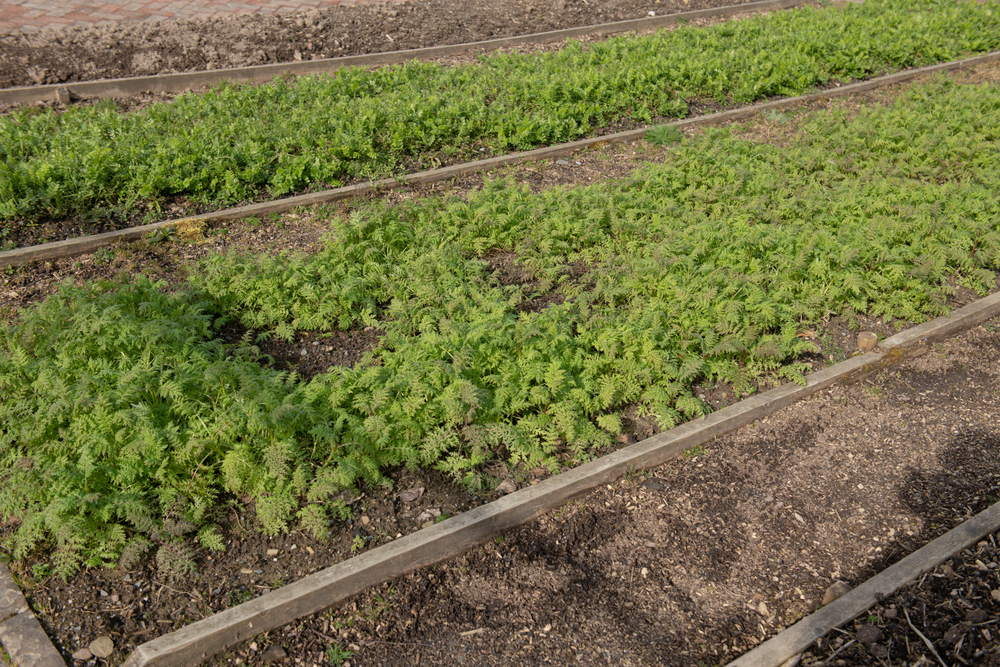
Once the tomatoes, peppers, and squash come out, an empty vegetable bed can look like it’s finished working until spring. In reality, bare soil can lose nutrients, erode during heavy rain and give winter weeds plenty of open territory, while planting winter cover crops can keep that same soil protected for pennies per square foot. Penn State describes cover crops as an inexpensive way to reduce compaction, capture excess nutrients, limit erosion and add organic matter to garden soil. Some varieties die naturally during cold weather, while others survive winter and resume growing when temperatures rise. Choosing the right one depends on when you’re planting, what you want it to accomplish and how much work you want next spring.
1. Oats Are One of the Easiest Choices for Beginners
If the idea of deliberately planting something you’ll eventually kill sounds strange, oats are an easy introduction to winter cover crops. They establish quickly, provide good weed suppression and capture nutrients that might otherwise move through the soil, according to the University of Minnesota. In colder climates, oats generally winter-kill, leaving dead plant material that continues protecting the soil surface without requiring you to terminate a vigorous crop in spring. That can be especially convenient in beds where you hope to plant peas, lettuce or other early vegetables as soon as conditions permit. The downside is timing: oats need enough fall warmth to establish, so they’re less useful when you’re sowing very late in the season.
2. Cereal Rye Can Rescue a Late Planting
Gardeners who don’t clear their beds until October may find cereal rye considerably more forgiving. Winter rye can be planted as late as early November in its region and can germinate at soil temperatures as low as 35 degrees Fahrenheit. Cereal rye is also an excellent nutrient scavenger, erosion preventer and weed fighter, making it one of the most versatile winter cover crops available. Unlike oats, however, winter rye generally survives cold weather and begins growing aggressively again in spring. That means you’ll need a plan to mow, cut, incorporate or otherwise terminate it before it competes with your vegetables.
3. Crimson Clover Can Add Nitrogen
Legumes offer something grasses cannot: they can work with soil bacteria to fix atmospheric nitrogen. Crimson clover provides substantial nitrogen fixation, some weed suppression and pairs particularly well with rye or wheat, according to the University of Minnesota. If allowed to flower in spring, crimson clover’s striking blooms can also attract pollinators and other beneficial insects. The catch is that it needs adequate establishment time and its winter survival varies with climate and growing conditions. Gardeners in colder regions should therefore check local recommendations before assuming crimson clover will reliably overwinter.
4. Hairy Vetch Is Useful When Nitrogen Is the Goal
Hairy vetch is another legume worth considering, especially when you’re preparing a bed for nitrogen-hungry summer vegetables. Vetch can provide substantial nitrogen and moderate weed suppression, and it grows well alongside winter wheat or rye. Because it grows slowly during fall and rapidly during spring, it’s generally better suited to beds you won’t need immediately when the weather warms. It can also be harder to terminate than some other winter cover crops, particularly in gardens where herbicides aren’t part of the management plan. For a tomato bed you won’t plant until late spring, however, that extra growing time can work in your favor.
5. Forage Radish Can Help With Compacted Soil
If your garden soil feels more like concrete than a vegetable bed, forage or tillage radish offers a different benefit. These brassicas develop substantial taproots that penetrate the soil, and radishes can help address compaction while recycling nutrients from deeper soil layers. In climates cold enough to kill them, the roots eventually decompose and leave channels that can improve movement of air and water through the soil. They’re also useful nutrient scavengers rather than nitrogen fixers, so don’t expect them to perform the same job as clover or vetch. Planting dates matter considerably because radishes need enough growing time before severe cold arrives to produce those useful roots.
6. Winter Wheat Offers Reliable Soil Coverage
Winter wheat doesn’t receive quite as much backyard-garden attention as rye, but it’s another useful option for protecting empty beds. Penn State lists wheat among the grains that can reduce compaction, capture excess nutrients and help prevent erosion when used as a cover crop. Because winter wheat can survive cold weather, expect to manage living growth in spring rather than finding a completely dead mulch layer. Like rye, it works particularly well when you have enough time between spring green-up and planting your next vegetable crop. Gardeners choosing overwintering winter cover crops should always plan for spring termination at the same time they buy the seed.
Mixing Cover Crops Can Give You More Than One Benefit
You don’t necessarily have to choose between a grass, legume and broadleaf cover crop. Penn State research points to oats, crimson clover and annual ryegrass as one mixture combining quick fall growth with plants capable of continuing benefits later in suitable climates. The oats can establish rapidly and suppress weeds while clover contributes nitrogen fixation and grasses build extensive root systems. Another simple strategy is pairing a winter-hardy crop with one that winter-kills so part of the mixture decomposes while the surviving portion continues protecting the bed. Keep mixtures relatively simple in a small home garden, because managing six different species isn’t automatically better than choosing two that address your actual soil needs.
Don’t Plant a Cover Crop Without Planning How It Ends
This is the step that prevents a helpful cover crop from becoming next spring’s headache. Winter-killed crops such as oats may leave manageable residue, while surviving rye, wheat, clover or vetch generally require active termination before vegetables are planted. University of Minnesota Extension notes that when rye is incorporated into soil, growers may need roughly three weeks for decomposition before planting because the residue can temporarily tie up nitrogen. Waiting too long can also allow some cover crops to become tougher, produce seed or simply create far more biomass than a small garden needs. Before sowing winter cover crops, work backward from next spring’s planting date and make sure you understand how you’ll remove or manage them.
The Best Cover Crop Depends on What Your Soil Needs
There’s no single perfect cover crop because a bed needing nitrogen has different requirements from one battling erosion, weeds or compaction. Oats are appealing when you want an easy crop that winter-kills, cereal rye is exceptionally useful for late planting, and legumes such as crimson clover or hairy vetch can contribute nitrogen when given enough time. Whatever you choose, sow it early enough to develop meaningful roots and foliage because the University of Minnesota cautions that tiny seedlings planted too late won’t provide much protection against winter conditions. Spending a modest amount on seed now can protect soil that would otherwise sit bare while adding organic matter you might otherwise buy in a bag next spring.
Have you tried winter cover crops in your vegetable garden, and which variety worked best for your soil?
What to Read Next
Leaf Mulch Uses That Feed Garden Soil All Winter
October Lawn Care Tasks That Protect Your Grass Before Winter
Leave a Reply