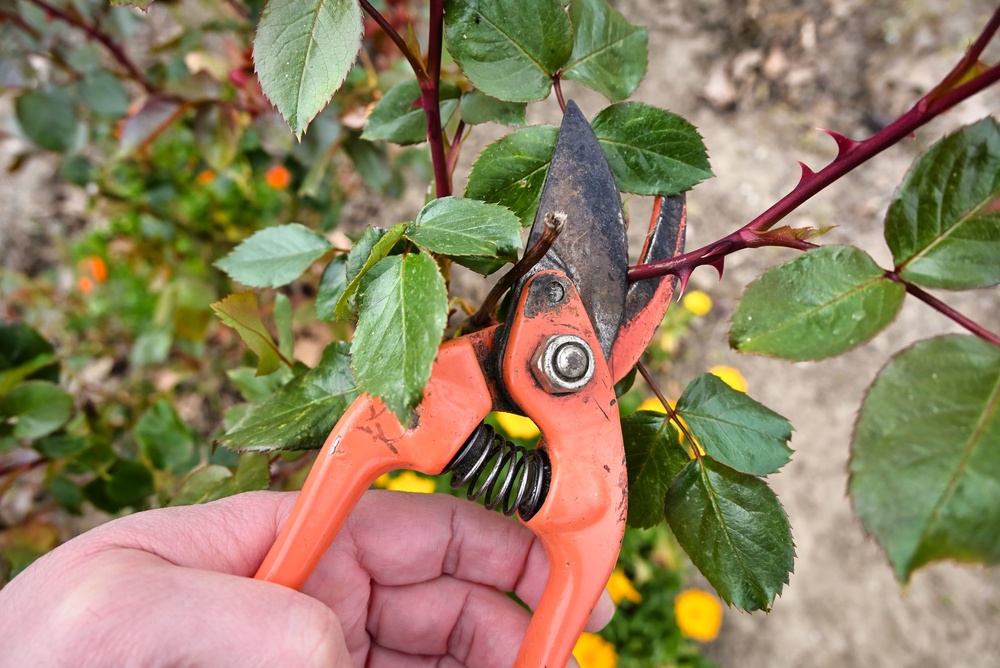
September can feel like the perfect month to grab the pruners. Summer heat starts easing, the garden looks a little shaggy, and suddenly every overgrown shrub seems to be whispering, “Give me a haircut.” Resist the urge with many trees and shrubs, because pruning in late summer or early fall can push out tender new growth that may not have enough time to harden before winter.
That fresh growth looks great for about five minutes. Then a hard freeze arrives, and those soft new stems can suffer frost damage or dieback. September pruning can also remove flower buds that plants already formed for next spring, turning a well-intentioned cleanup into a season of missed blooms. Here are the plants that deserve a little patience.
Leave Spring-Blooming Shrubs Alone for Now
Lilacs, forsythia, magnolias, azaleas, redbuds, and other spring-flowering shrubs generally form their flower buds on older growth. That means a September pruning session can remove next spring’s floral display before winter even arrives.
Think of those branches as carrying next year’s invitation to the garden party. Cut them back now, and the plant may still look perfectly healthy, but you could sacrifice many of those flowers when spring rolls around. Instead, prune spring bloomers shortly after they finish flowering, when you can see exactly which branches need thinning or shaping. If a branch has suffered obvious damage, however, remove the damaged portion rather than leaving a hazardous limb hanging around all winter.
Put the Pruners Down Around Many Summer Bloomers
Summer-flowering shrubs can fool gardeners because their blooms have already faded, making September seem like cleanup time. Plants such as smooth hydrangea and panicle hydrangea flower on new growth, but that does not automatically make September the ideal pruning window. These shrubs generally respond well to pruning in late winter or early spring, before their new growth begins.
Panicle hydrangeas offer an especially good reason to wait, because their dried flower heads can add structure and winter interest to the landscape. Smooth hydrangeas can also wait until spring, when gardeners can cut them back before new growth emerges. Bigleaf hydrangeas require extra caution because many cultivars form next year’s flower buds in late summer and early fall, including around August and September.
Evergreens Need a September Pruning Pause Too
Evergreen shrubs may look like obvious candidates for shaping before winter, but fall pruning can encourage tender growth that faces winter injury. Junipers and yews generally handle pruning better in spring, while many evergreen trees require little pruning in the first place. Pines, spruce, and firs also have different growth habits, so treating every evergreen like a hedge can create problems quickly.
This matters even more in areas where winter brings drying winds, freezing temperatures, snow, or ice. Fresh growth lacks the maturity and cold tolerance of older wood, which leaves those new shoots more vulnerable when temperatures plunge. Instead of reshaping the evergreen in September, check for broken or clearly damaged branches and save routine pruning for the appropriate season.
There Are a Few Things You Can Safely Cut
“Don’t prune in September” does not mean gardeners need to leave every damaged branch hanging until spring. Dead, diseased, or badly damaged wood can require attention, particularly when a branch creates a safety problem or threatens to break during a storm. Removing genuinely damaged material also differs from giving a healthy shrub a major shape-up. The bigger mistake comes from combining necessary cleanup with an enthusiastic makeover. A gardener might remove a few dead branches and then decide to level the whole shrub while the pruners are already in hand, but that extra cutting can stimulate new growth at exactly the wrong time. For routine shaping, thinning, or major size reduction, wait for the plant’s recommended pruning window, which often falls after flowering or during dormancy. A little restraint now can save a surprising amount of springtime disappointment later.
Let the Garden Look a Little Wild This Fall
September does not need to produce a perfectly manicured landscape. Leaving healthy branches alone gives woody plants more time to prepare for cold weather, while retaining dried flower heads can add texture and food or shelter opportunities for garden wildlife depending on the plant.
Before making a cut, identify the plant and check when it sets flower buds and when it normally responds best to pruning. That small pause can prevent a common mistake: treating every shrub as though it follows the same calendar.
So, which plant in your garden makes the hardest case for putting down the pruners in September?
You May Also Like…
A Practical Guide to August Pruning Mistakes That May Cost You Next Year’s Flowers
7 Budget Tools Every Gardener Needs for Safe, Clean Shrub Pruning
September Is One of the Best Times to Get Free Plants From the Ones You Already Own
10 Perennials You Can Divide This Fall Instead of Buying More Plants
Fall Is the Time to Decide Which Garden Plants Aren’t Worth the Money Next Year

Brandon Marcus is a staff writer for FrugalGardening.com at District Media, Inc., where he delivers practical gardening advice with a relatable, no-nonsense style. An avid amateur gardener, he holds a BA degree and with over ten years of professional writing experience, he is also an award-winning published author whose first book, Questions For Deep Thinkers, was released by Adams Media. His work has appeared in major publications including Fandom.com, CHUD.com, TheColdWire.com, and Fansided.com.
Leave a Reply