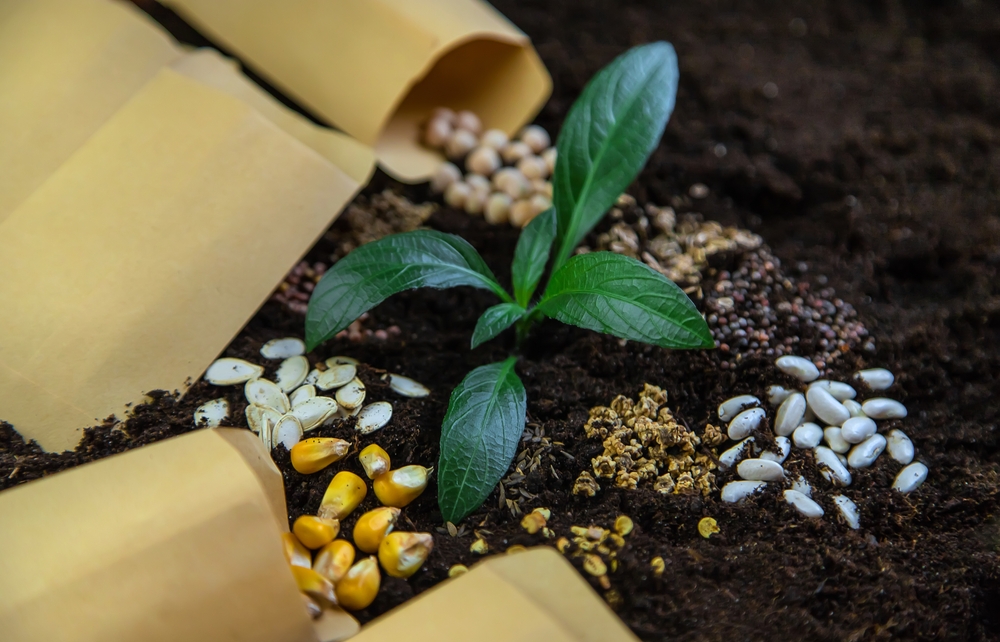
That packet of unusual flower or vegetable seeds from an unfamiliar online seller might look like a bargain, but the USDA has a very good reason for telling gardeners to pump the brakes. Before planting seeds bought online, check where they came from and whether they meet U.S. import requirements.
That matters even more when the seller looks American but ships from another country, because the buyer can become the importer under USDA rules. A packet can look perfectly innocent while carrying plant pests, diseases or seeds that federal rules restrict or prohibit. In other words, that bargain packet deserves a little detective work before it gets anywhere near the tomato bed.
First, Find Out Where Those Seeds Actually Came From
The seller’s website can give a misleading impression about where a seed packet originates, particularly when a company markets itself to U.S. gardeners but fulfills orders from overseas. USDA’s Animal and Plant Health Inspection Service specifically warns shoppers to determine where an agricultural product ships from before buying it online.
Check the seller’s shipping information, company details and product description for the country of origin before ordering or planting. If the listing never clearly identifies where the seeds come from, that mystery deserves more attention than the seed packet’s gorgeous photograph. USDA recommends buying agricultural products domestically when the source remains unclear.
A Pretty Seed Packet Does Not Guarantee a Legal One
Imported seeds can require permits, certificates, inspections or specific packaging, depending on the plant and country involved. USDA APHIS notes that most plants and many seeds for planting require an import permit, while some items face special requirements or cannot enter the United States at all.
A phytosanitary certificate can also matter because agriculture officials in the country of origin use that document to confirm that a shipment meets applicable plant-health requirements. Certain small seed shipments can qualify for different rules, so gardeners should not assume that every seed packet follows the same process. The safest move involves checking the USDA’s Agricultural Commodity Import Requirements database for the specific seed and country before ordering.
Already Have the Seeds? Keep Them Out of the Soil
If a package arrived from an unfamiliar seller and the labeling looks suspicious, resist the urge to conduct a backyard science experiment. USDA defines non-compliant seeds to include seeds bought from foreign sellers that fail to provide accurate country-of-origin information, as well as unsolicited seeds that arrive without a legitimate connection to an order.
Do not plant questionable seeds, and keep the seeds and packaging intact while you seek guidance. USDA APHIS recommends contacting the State Plant Health Director and providing useful details such as the seller or website, shipping information, tracking number, invoice and photographs of the seeds and packaging. Officials can examine the material for harmful weeds, pests or plant diseases and tell you what to do next.
The Real Garden Test Happens Before the First Seed Goes In
This does not mean gardeners should panic every time an online seed order lands on the porch. USDA notes that it has not identified incidents in which non-compliant seeds received through this issue caused a new pest or disease outbreak, but the potential consequences make prevention worthwhile.
For future purchases, choose reputable sellers, confirm the shipping origin and check USDA requirements when a seller operates outside the United States or leaves the source unclear. A few minutes of checking can spare a gardener from planting something that could create a much bigger headache later. When a seed packet comes with more mystery than information, the smartest place to plant it is nowhere until the source and requirements check out.
Would you buy seeds from an unfamiliar online seller if the packet looked legitimate, or would an unclear country of origin make you hit the brakes? Share your thoughts in the comments.
You May Also Like…
7 Seeds You May Be Better Off Buying Fresh Next Year
9 Seeds Worth Saving From Your Garden Before the Season Ends
Should You Save Seeds From Grocery Store Produce? Sometimes It Works, Sometimes It Doesn’t
What USDA Zone 7 Gardeners Should Be Doing Right Now (And What to Skip)
Ordered Seeds on Amazon? You May Not Know What You’re Actually Planting

Brandon Marcus is a staff writer for FrugalGardening.com at District Media, Inc., where he delivers practical gardening advice with a relatable, no-nonsense style. An avid amateur gardener, he holds a BA degree and with over ten years of professional writing experience, he is also an award-winning published author whose first book, Questions For Deep Thinkers, was released by Adams Media. His work has appeared in major publications including Fandom.com, CHUD.com, TheColdWire.com, and Fansided.com.
Leave a Reply