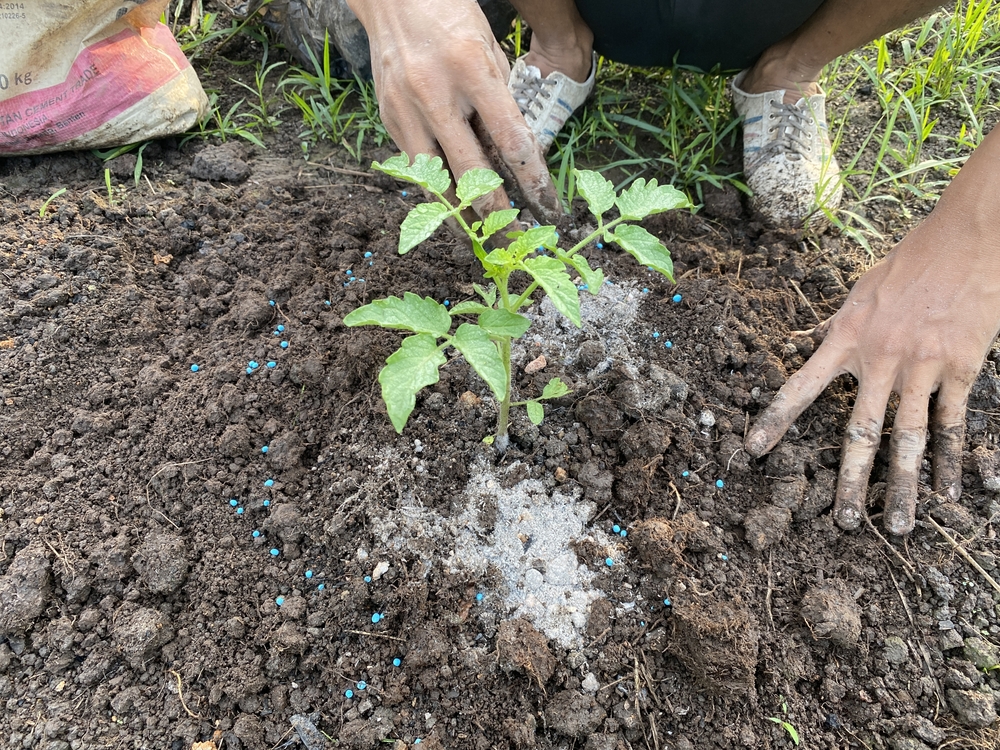
Fall creates a tempting gardening problem: the plants look tired, the weather cools down, and the fertilizer bag starts whispering, “One more feeding.” But fertilizing before winter does not automatically help plants survive the cold, and for some plants, late-season fertilizer can encourage exactly the kind of growth you do not want.
It all comes down to timing, plant type, and what the plant actually needs. A hungry lawn may appreciate a fall application, while a dormant perennial, recently planted tree, or woody shrub may have little use for a last-minute nutrient buffet. Knowing the difference can save fertilizer, protect plants, and prevent a well-intentioned fall chore from creating springtime problems.
Fall Fertilizer Can Help the Right Plants
Fall feeding makes the most sense for cool-season lawns, which can continue growing roots after summer heat fades. A properly timed lawn fertilizer application can support root development and help the grass enter winter with adequate nutrients, particularly nitrogen when the grass still actively grows. Cool-season grasses such as Kentucky bluegrass, perennial ryegrass, and tall fescue generally respond better to fall feeding than they do to heavy summer fertilization. The exact timing depends on local weather, grass species, soil conditions, and whether the lawn still actively grows. A soil test can also reveal whether the lawn actually needs additional nutrients instead of turning fertilizing into an annual guessing game.
For gardens, the situation gets more selective. A fall fertilizer application may make sense when a soil test identifies a nutrient deficiency or when a particular plant has a documented need for supplemental nutrients. Fertilizer does not act like a winter coat, so dumping extra nutrients around everything in the yard will not automatically improve cold tolerance. In fact, excessive nitrogen can push plants toward tender new growth when they should begin slowing down for winter. That fresh growth can struggle when freezing weather arrives, especially on plants that naturally prepare for dormancy.
Some Plants Should Skip the Late Feeding
Many established trees and shrubs do not need routine fertilizer in fall when they grow normally and show no signs of nutrient deficiency. Trees obtain nutrients through their roots and natural nutrient cycling in the soil, while fallen leaves and other organic matter can return nutrients to the ground over time. Adding fertilizer simply because autumn arrived can create unnecessary nutrient levels and encourage growth at the wrong point in the season. Newly planted trees also deserve caution because fertilizer does not replace proper watering, suitable planting depth, mulch, or good root-zone conditions. When a young tree struggles, fixing the underlying problem usually matters more than reaching for a bag of plant food.
Flowering perennials also deserve a little restraint once they approach dormancy. Some perennials benefit from specific fertilization schedules, but many healthy plants need no late-season feeding at all, particularly if the garden soil already contains adequate nutrients. Roses, for example, generally should not receive heavy nitrogen applications late in the growing season because vigorous new shoots can emerge when winter approaches. Native plants adapted to local soils often need even less intervention, especially once they establish themselves. Sometimes the best fertilizer decision involves putting the bag back in the shed and letting the plant finish its seasonal routine.
Nitrogen Is Where Things Get Tricky
Nitrogen deserves special attention because it promotes leafy, vegetative growth, which sounds wonderful until the calendar starts marching toward freezing temperatures. A heavy nitrogen application late in the season can encourage soft new shoots instead of allowing a plant to gradually slow its growth. Those tender shoots may face greater injury during hard freezes, depending on the plant and local conditions. This does not mean nitrogen becomes forbidden the moment September arrives, because actively growing cool-season turf can still use it at the appropriate time. It means gardeners should match the nutrient to the plant rather than treating every autumn landscape like one giant hungry lawn.
Phosphorus and potassium bring their own considerations, too. Plants do not automatically need extra phosphorus or potassium for winter simply because fertilizer labels advertise them as useful nutrients. Soil testing provides a much better answer than guessing, and excessive fertilizer can contribute to nutrient runoff and other environmental problems. Gardeners should also avoid using fertilizer as a cure-all for yellow leaves, weak growth, or poor flowering without first looking at water, light, drainage, pests, disease, and soil conditions. A plant rarely walks into autumn carrying a sign that says, “Please add three tablespoons of fertilizer.”
Timing Matters More Than the Calendar
There is no universal “last day to fertilize” that works for every garden. A better approach involves watching the plant, the weather, and the growing conditions rather than following a date on the calendar. For cool-season lawns, fall feeding generally works best while the grass continues active growth, before the ground freezes and after the worst summer heat has passed. Warm-season grasses follow a different seasonal rhythm and generally do not need a late nitrogen feeding as they enter dormancy. Local extension guidance can help gardeners match fertilizer timing to their grass species and climate.
For ornamental plants, timing often means knowing when to stop encouraging new growth. If a perennial has begun dying back naturally, fertilizer rarely offers much benefit at that stage. If a shrub has stopped producing new shoots, has healthy foliage, and has no diagnosed nutrient deficiency, leaving it alone may make more sense than adding another application. Gardeners who recently planted trees or shrubs should focus on consistent watering until the ground freezes, while keeping mulch away from the trunk or main stems. Good fall care often looks surprisingly quiet, which may feel less satisfying than spreading fertilizer but can produce a healthier landscape.
Let the Garden Go Quiet
The easiest fall gardening mistake involves assuming that more care always equals better care. Plants operate on seasonal signals involving temperature, daylight, moisture, and their own biology, and gardeners cannot improve every process by adding another product. Healthy established plants often need little fertilizer before winter, while lawns and genuinely nutrient-deficient plants may benefit from carefully timed applications. A soil test can turn a fertilizer decision from guesswork into a targeted correction. That approach also prevents the common habit of feeding plants simply because fertilizer happens to be sitting in the garage.
Before spreading anything this fall, check the plant’s species, growth stage, soil needs, and recent care history. If everything looks healthy and the soil has adequate nutrients, leaving the plant alone may prove far more useful than giving it a final snack. Save the fertilizer for situations where the plant can actually use it, and spend the extra time cleaning tools, watering appropriately, removing diseased material, or preparing beds for the coming season. Sometimes the smartest gardening move is not doing more, but knowing when the job is already done.
Would you give your plants a final fall feeding, or do you prefer to let them settle into winter without fertilizer?
You May Also Like…
7 Garden Plants You Should Stop Fertilizing as Summer Ends
When Midseason Fertilizer Helps—and When It Burns Stressed Plants
Why Soil Tests Matter Under PA’s Fertilizer Law—Know Before You Apply
Stop Pulling These ‘Weeds’—Comfrey and Nettles Can Fertilize Your Garden
The Fertilizer Burn Risk for Newly Planted Crops

Brandon Marcus is a staff writer for FrugalGardening.com at District Media, Inc., where he delivers practical gardening advice with a relatable, no-nonsense style. An avid amateur gardener, he holds a BA degree and with over ten years of professional writing experience, he is also an award-winning published author whose first book, Questions For Deep Thinkers, was released by Adams Media. His work has appeared in major publications including Fandom.com, CHUD.com, TheColdWire.com, and Fansided.com.
Leave a Reply