Watering the garden feels like one of those chores that cannot possibly go wrong. The hose comes out, the soil gets wet, the plants look refreshed, and everyone goes home happy. But a watering routine that keeps the soil constantly damp can waste water, encourage shallow roots, and create conditions that invite disease and other problems.
The tricky part involves knowing when the garden actually needs a drink. A sunny afternoon can make the surface look dry even when plenty of moisture remains underneath, while a quick sprinkle can make everything look wonderfully hydrated without sending enough water into the root zone. A better routine starts with the soil, the weather, the plant, and even the type of soil in the garden.
Stop Watering the Calendar
A watering schedule can make garden care wonderfully convenient, but plants do not check the calendar before deciding whether they need water. A Tuesday-and-Saturday routine might work during one stretch of weather and become completely unnecessary after several cool, cloudy days. Instead of automatically reaching for the hose, check the soil several inches below the surface near the plant’s root zone. If that soil still feels reasonably moist, give the watering a little more time.
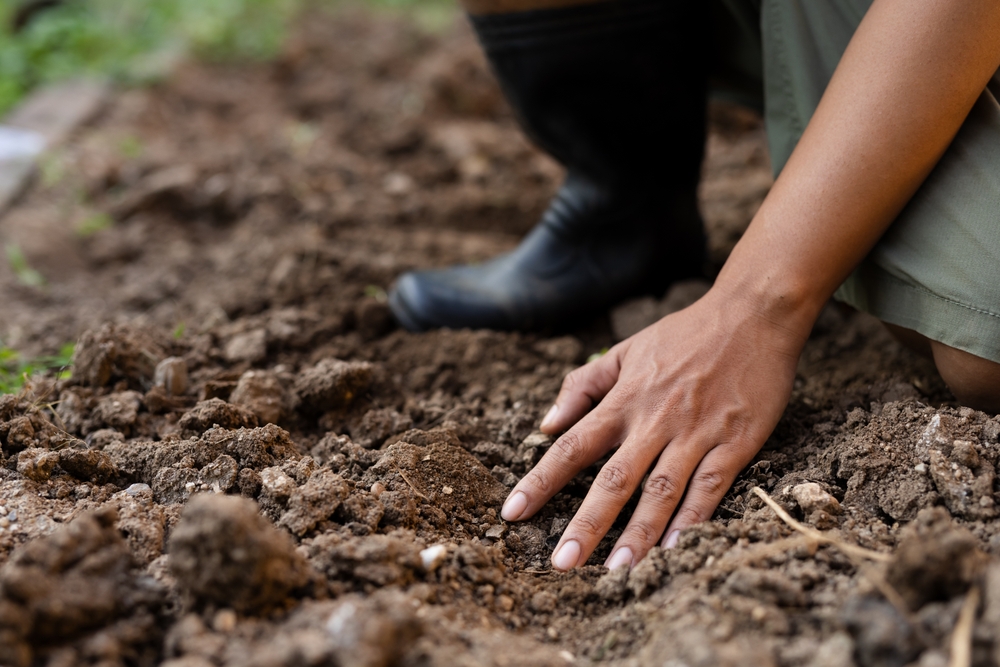
This simple check also exposes one of gardening’s sneakiest illusions: a wet-looking surface does not always mean the roots received enough moisture. Conversely, a dry crust on top does not automatically mean the entire root zone needs water. Stick a finger into the soil, use a small hand trowel, or push a wooden skewer into the bed and inspect what comes back out. That quick investigation can prevent plenty of unnecessary watering.
Give Roots a Reason to Go Deeper
Frequent, shallow watering can keep moisture concentrated near the soil surface, where plants can develop a greater dependence on that small, frequently replenished supply. Deeper watering encourages moisture to move farther into the root zone, provided the soil drains well and the plant can tolerate that pattern. This approach matters particularly for established garden plants because deeper roots can access moisture below the surface when the top layer dries.
The goal does not involve turning the garden into a swamp once a week and ignoring it afterward. Water slowly enough to let moisture soak into the soil rather than racing across the surface or disappearing through drainage holes. Sandy soil may need more frequent watering because it drains quickly, while clay soil can hold moisture much longer and may suffer when gardeners keep adding more. Compost and organic matter can also improve soil structure, but they do not eliminate the need to check actual moisture levels.
Watch the Weather Before the Hose Comes Out
Rain can completely change a garden’s watering needs, yet many gardeners continue their normal routine because the calendar says it is watering day. A soaking rain may provide all the moisture a bed needs for several days, while a brief shower might barely wet the soil beneath the surface. Check the soil after rainfall instead of assuming every storm delivered the same amount of moisture.
Temperature, wind, sunlight, and humidity also affect how quickly water leaves the soil and plant leaves. A hot, windy stretch can dry a garden surprisingly fast, while cooler weather can leave moisture in the soil much longer. Newly planted seedlings and containers often need closer attention than established plants because their smaller root systems cannot reach as much moisture. A quick garden inspection each day can reveal wilting, dry soil, or other clues without turning watering into an automatic ritual.
Put the Water Where It Actually Helps
A sprinkler can make a garden look beautifully rain-soaked, but some of that water may land on paths, foliage, fences, and other places where it does little for the roots. Directing water toward the soil around the plant puts more of the effort where the plant can use it. Soaker hoses and drip irrigation can make this easier, particularly in vegetable beds and other densely planted areas.
Watering at the base of plants also helps keep foliage drier, which can reduce conditions that favor some fungal diseases. Morning often makes a practical watering window because plants have time to use available moisture during the day, while wet foliage has more opportunity to dry. Evening watering does not automatically doom a garden, especially when circumstances require it, but leaving foliage wet for long periods can create a less favorable environment for some diseases. The real objective involves efficient delivery, not simply making the garden look wet.
Containers Play by Different Rules
Container plants can turn a sensible garden watering strategy upside down because pots hold a limited amount of soil and often dry faster than beds. A tomato growing in a large container may need attention long before a tomato planted directly in the ground, particularly during hot, dry weather. Small pots can dry even faster because they contain less soil to hold moisture.
Still, a container does not need water every time the surface looks slightly dry. Check below the surface, consider the plant’s condition, and make sure the container has functioning drainage holes. When watering becomes necessary, apply enough to moisten the root zone thoroughly and allow excess water to drain away rather than leaving the pot sitting in a puddle. A saucer can protect a patio from runoff, but it should not become a permanent little swimming pool for the roots.
The Garden May Be Asking for Less
Overwatering can hide behind good intentions because nobody wants to watch a favorite plant wilt on a hot day. Yet constantly wet soil can reduce the air spaces roots need, encourage root problems, and create an environment where certain diseases become more likely. Some plants also simply prefer conditions that allow the soil to dry somewhat between waterings.
That does not mean every plant should endure a drought between drinks. Lettuce, seedlings, freshly transplanted plants, containers, and moisture-loving species can require more consistent moisture than established drought-tolerant plants. Mulch can help slow evaporation from the soil surface, which may stretch the time between waterings without leaving plants thirsty. The smartest routine therefore looks less like a rigid schedule and more like a series of small observations.
Let the Soil Make the Call
A good watering routine should save effort, conserve water, and give plants access to the moisture they actually need. The easiest upgrade may involve nothing more complicated than checking the soil before turning on the hose and adjusting the routine when weather conditions change. That small pause can prevent the garden from receiving water simply because a familiar schedule says it should.
Gardening rarely rewards mindless repetition, and watering provides a perfect example. Plants communicate through soil moisture, leaf condition, weather response, and growth patterns, although they understandably skip the part where they send a text message saying, “Please water me tomorrow instead.” Pay attention to those clues, water deeply when appropriate, and let the soil dry to the degree that suits each plant. The garden can become easier to manage when watering stops being a reflex and becomes a deliberate decision.
What watering habit has made the biggest difference in your garden?
You May Also Like…
Should You Keep Watering Your Garden the Same Way Once September Arrives?
Understanding Native Plants That May Lower Watering Needs Over Time
What Is the Right Time to Stop Watering Winter Squash?
How to Tell If You’re Watering Deeply Enough
Why Overwatering Is More Dangerous Than Underwatering

Brandon Marcus is a staff writer for FrugalGardening.com at District Media, Inc., where he delivers practical gardening advice with a relatable, no-nonsense style. An avid amateur gardener, he holds a BA degree and with over ten years of professional writing experience, he is also an award-winning published author whose first book, Questions For Deep Thinkers, was released by Adams Media. His work has appeared in major publications including Fandom.com, CHUD.com, TheColdWire.com, and Fansided.com.
Leave a Reply