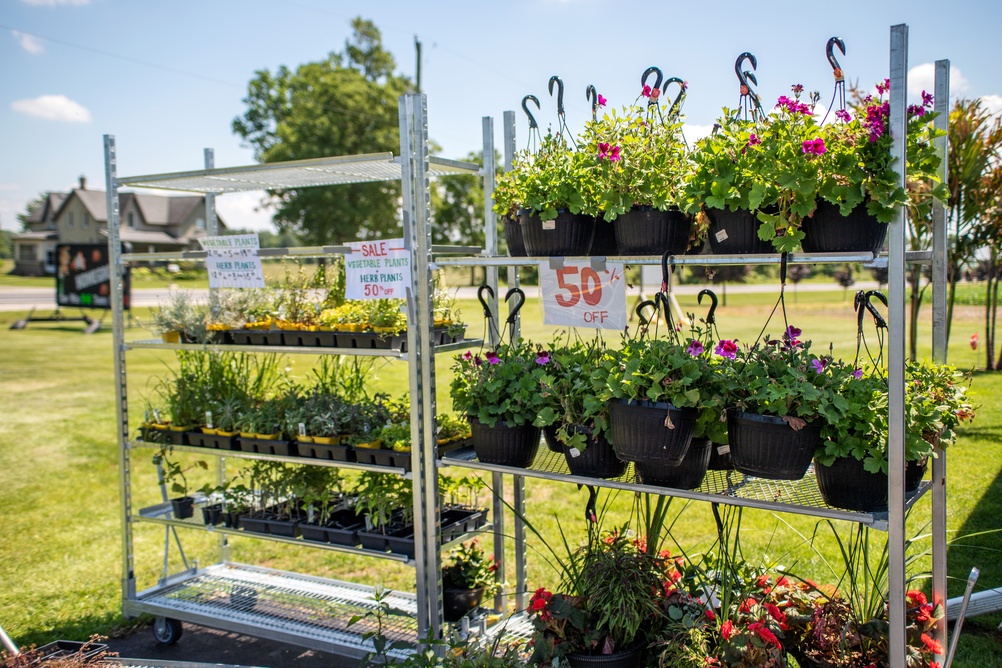
Garden centers are starting to clear their shelves, and that can make late-season plant shopping feel like a joyful treasure hunt. A perennial marked down to a few dollars can become one of the smartest purchases in the garden, but a sickly plant with a dramatic discount sticker can turn that bargain into an expensive lesson.
Smart shopping at this time of the year involves looking past the price and inspecting the plant itself. A slightly battered perennial that still has healthy roots can represent excellent value, while a deeply discounted shrub with damaged stems, circling roots, or signs of disease may deserve a polite wave goodbye. The clearance table deserves attention, just not blind trust.
A Scruffy Plant Isn’t Automatically a Bad Plant
Late-season plants often look considerably less glamorous than they did when garden centers first put them outside. Annuals may have fewer flowers, leaves may show cosmetic damage, and perennials may start to look tired as their natural growing season winds down. None of those clues automatically means the plant has reached the end of its useful life. Many herbaceous perennials make perfectly sensible fall purchases, and late August into September can offer a good planting window for many of them.
The better question involves the plant’s health rather than its appearance. Look for fresh growth, firm stems, reasonably healthy foliage, and a root system that does not look like it has spent years trapped in a tiny pot. Penn State Extension recommends checking plants for harmful insects, damaged bark, poor roots, and other signs of trouble before buying them. A few chewed leaves can happen in any outdoor display, but widespread spotting, mushy stems, obvious pests, or suspicious lesions should make the discount considerably less exciting.
Roots Can Tell a Better Story Than the Leaves
The foliage gets all the attention at a garden center, but the roots often reveal what has really happened to a plant. Container-grown trees and shrubs can develop roots that circle tightly around the inside of the pot, especially when the plant has spent too long in the same container. Those circling roots can continue growing in that pattern after planting and may eventually create serious problems for the plant.
A bargain plant with a dense but manageable root system may still deserve consideration, particularly when the gardener can correct the roots during planting. A hopelessly congested root ball, however, deserves much more caution because the plant already faces a difficult transition. Check drainage holes when possible, and look for roots that spiral around the outside of the root ball rather than spreading naturally through the growing medium. If the roots look healthy but crowded, careful root correction at planting can help redirect them into the surrounding soil.
Disease Doesn’t Become a Bargain Just Because the Price Drops
Clearance shopping creates one particularly tempting mistake: seeing a sick plant and thinking, “It probably just needs a little help.” Sometimes it does, but a struggling plant can also bring pests or pathogens into a garden where they can create much bigger headaches. Penn State Extension notes that purchased nursery plants can carry pathogens, which makes inspecting plants before bringing them home an important part of responsible gardening.
Inspect both sides of the leaves, the stems, the soil surface, and the base of the plant before making the final decision. Sticky residue, clusters of insects, unusual spotting, distorted new growth, soft tissue, or suspicious galls deserve more scrutiny than a five-dollar price tag deserves excitement. A little cosmetic damage rarely justifies panic, but active disease presents a different problem because the garden gains nothing from importing trouble. If the garden center has multiple copies of the same plant, compare them side by side and choose the healthiest specimen rather than automatically grabbing the most heavily discounted one.
The Best Clearance Buys Often Have Time on Their Side
Perennials can make especially interesting clearance purchases because the flowers may have already peaked while the plant still has plenty of life left underground. Fall planting gives many herbaceous perennials time to establish roots before winter, although gardeners still need to keep new plantings watered until the ground freezes. That makes a healthy perennial with faded flowers potentially far more valuable than it looks on the sales table.
Trees and shrubs require a little more caution because size, root condition, planting timing, and winter preparation matter. Late summer and early fall can work well for planting many trees and shrubs, but newly planted specimens need adequate moisture as they settle into their new location. Before buying one, make sure the plant fits the mature space available and that the root ball remains intact and adequately moist. A bargain shrub that requires a chainsaw and a crane five years from now never qualified as a bargain in the first place.
The Bargain Bin Has Winners, Too
Clearance season deserves a look, especially for gardeners willing to judge plants by condition instead of flower count. A faded perennial with healthy roots can become a terrific purchase, while a severely stressed plant can consume time, money, and garden space without delivering much in return. Inspect the roots when possible, check foliage and stems carefully, look for pests and disease, and make sure the plant suits the spot waiting at home. A discount should sweeten a good purchase, not rescue a bad one.
The smartest clearance shoppers leave the garden center with plants that still have a future, not simply plants that had the lowest price. That distinction can turn a late-season shopping trip from random bargain hunting into one of the more satisfying garden chores of the year.
Which garden-center clearance finds have been genuine bargains in the past, and which ones turned out to be money better left in the wallet?
You May Also Like…
The Garden Center Advice That Cost Me A Lot
The Big Box Store Trap: 5 Things You Should NEVER Buy at the Garden Center
Shopping for Grow Lights? Learn the Optimal Number of Lumens Required for Your Plants.
You May Be Throwing Away Garden Supplies That Could Last Another Year
7 Garden Plants You Should Stop Spending Money On Every Year

Brandon Marcus is a staff writer for FrugalGardening.com at District Media, Inc., where he delivers practical gardening advice with a relatable, no-nonsense style. An avid amateur gardener, he holds a BA degree and with over ten years of professional writing experience, he is also an award-winning published author whose first book, Questions For Deep Thinkers, was released by Adams Media. His work has appeared in major publications including Fandom.com, CHUD.com, TheColdWire.com, and Fansided.com.
Leave a Reply