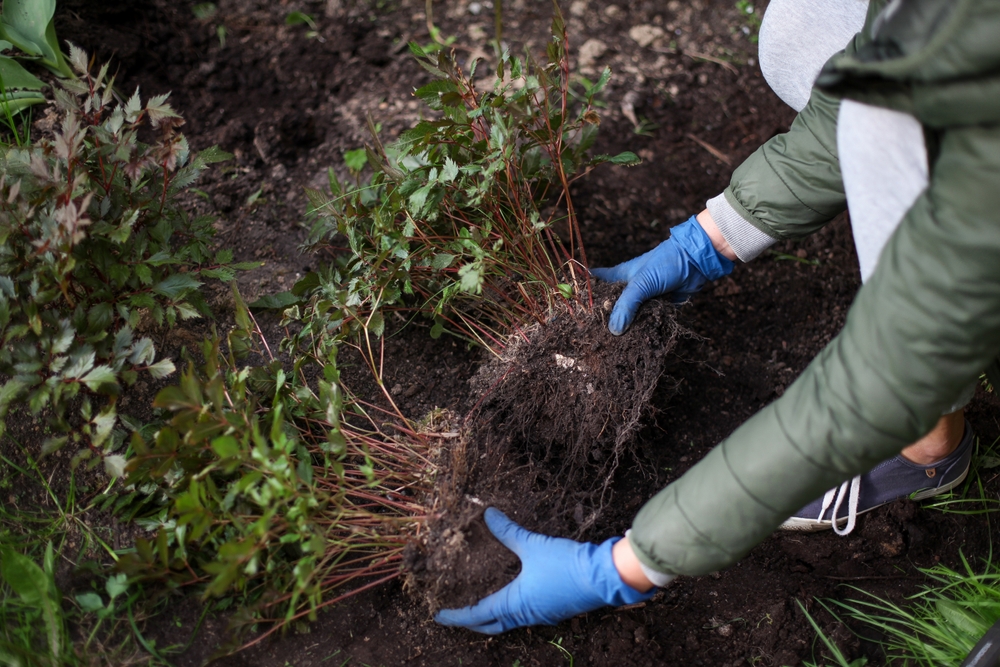
Fall has a sneaky little gardening superpower: it can turn one established perennial into several new plants without sending a single dollar to the garden center. Dividing certain perennials now gives each section room to develop roots before winter, while also giving crowded plants a much-needed reset.
The trick involves knowing which plants actually enjoy division and which ones would rather stay put. Some perennials practically invite a shovel into the conversation, while others respond to root disturbance like a cat responds to a bath. Choose the right candidates, divide them properly, and next spring can bring a fuller garden without a cart full of new plants.
1. Hostas
Hostas make excellent candidates for fall division, particularly when a mature clump has grown so large that the center looks crowded or the foliage has started to lose its vigor. After the leaves begin to fade but before the ground freezes, dig around the entire clump and lift it carefully. A sharp spade or garden knife can separate the crown into sections, with each division retaining several shoots and a healthy portion of roots. Smaller divisions may take longer to create an impressive display, but they can establish successfully when planted in suitable soil and watered consistently. Avoid chopping a hosta into tiny pieces simply because the plant looks enormous, since each section needs enough crown and roots to get started.
Fall division also provides a practical way to spread hostas into shady parts of the landscape without buying additional plants. Replant divisions at roughly the same depth as the original plant, then water thoroughly to settle soil around the roots. A layer of mulch can help moderate soil temperature, but keep mulch away from direct contact with the crown. Deer can still make a buffet out of hostas, so multiplication makes the most sense in areas where browsing does not routinely turn beautiful foliage into stems.
2. Daylilies
Daylilies rank among the easiest perennials to divide, and an overgrown clump often provides plenty of material for new planting spots. Dig up the clump, shake or wash enough soil away to see the roots, and separate the fans into manageable sections. Each division should contain healthy roots and at least one fan of leaves, although larger divisions generally establish more quickly. Trim damaged roots and replant promptly rather than leaving exposed roots baking in the afternoon sun. Fall division works especially well in regions where the soil remains workable for several weeks before hard freezes arrive.
A divided daylily can fill a bare border, edge a pathway, or create repetition throughout a planting bed without another trip to the nursery. Plant the crown so it sits at about the same depth as it did before division, because burying it too deeply can create problems. Water the new divisions well and keep the soil reasonably moist while roots settle in. The foliage may look a little rough after the process, but that temporary mess matters far less than healthy roots heading into winter.
3. Bearded Iris
Bearded iris practically advertise when they need dividing because crowded rhizomes can produce fewer flowers and leave the center of a clump looking tired. Late summer into early fall generally offers a good opportunity, depending on local weather and the plant’s growth cycle. Lift the rhizomes, discard old or damaged sections, and cut healthy rhizomes into pieces that each contain a fan of leaves and healthy tissue.
Unlike many perennials, bearded iris rhizomes should sit very shallowly, with the upper portion exposed to sunlight rather than buried beneath several inches of soil. Give each division enough room for new growth instead of recreating the original crowding problem six inches away.
4. Peonies
Peonies do not need frequent division, but a mature plant can produce useful divisions when circumstances call for it. Early fall provides a suitable window in many climates after the foliage begins to decline but while the soil remains workable. Dig deeply around the plant because mature peony roots can reach farther down than their modest-looking stems suggest. Divide the crown carefully, making sure each section contains several healthy buds, often called eyes, along with substantial roots. Plant those eyes only about one to two inches below the soil surface, since excessive depth can prevent flowering.
Patience matters with divided peonies because they may take time to settle and return to their full flowering performance. That delayed payoff makes division better suited to gardeners who already have a mature plant and want more of it rather than anyone seeking instant spring color. Choose a sunny, well-drained location and avoid planting divisions where they will compete heavily with tree roots. Once established, the new plants can reward that patience with years of flowers.
5. Garden Phlox
Garden phlox can form broad clumps over time, and dividing those clumps can create fresh plants while helping reduce overcrowding. Fall offers a useful opportunity after flowering finishes and temperatures begin to moderate. Lift the plant, separate the crown into sections with healthy roots and shoots, and replant the divisions at their original depth. Water them thoroughly after planting and continue watering when rainfall fails to keep the soil lightly moist. Good spacing also improves airflow around the foliage, which can help create less favorable conditions for powdery mildew.
Dividing phlox can also solve a garden-design problem that sneaks up on people: the perennial that once occupied a tidy corner suddenly behaves like it owns the entire border. Splitting the clump lets gardeners redistribute that growth instead of purchasing more plants for another area. Keep the new divisions well watered while roots establish, but avoid constantly saturated soil. A little room, good drainage, and a sensible planting depth can make the transition far smoother.
6. Coneflowers
Coneflowers can handle division, although they generally need it less often than hostas or daylilies. A mature, crowded clump can provide divisions in fall after flowering, particularly when the plant has developed a substantial root crown. Dig carefully and separate sections with healthy roots and shoots rather than slicing the plant into arbitrary chunks. Replant divisions at the same depth and water them well afterward. Because coneflowers prefer well-drained soil, avoid choosing a spot where winter moisture routinely pools.
There is another reason to divide established coneflowers: moving some divisions can spread their flowers across a larger area for pollinators. Keep seed heads on some plants if wildlife value matters, while using divisions to expand the living plants themselves. Do not expect every tiny section to become a powerhouse immediately, because larger divisions generally have more resources available during establishment. Give the new plants reasonable spacing and let them build from there.
7. Black-Eyed Susans
Black-eyed Susans can become substantial clumps, making division a practical way to create additional plants for sunny borders. Fall division works after flowering begins to wind down and the plant enters its seasonal slowdown. Dig up the clump and separate it into sections containing healthy roots and shoots, then replant each section at the original depth. Water the divisions thoroughly and keep an eye on soil moisture until the ground begins to cool. Avoid dividing plants that look weak or diseased, since multiplication should start with healthy material.
These cheerful perennials can make a garden look fuller without requiring a matching increase in the shopping list. Place divisions where they receive plenty of sunlight and have enough space to develop naturally. If the original plant sits in heavy, poorly drained soil, moving divisions to a better-drained location can improve their odds. The result may not look dramatic immediately, but the garden gets a head start on a larger display next season.
8. Yarrow
Yarrow spreads through rhizomes and can eventually create dense colonies that benefit from thinning and division. Early fall can work well for dividing established plants while the soil remains warm enough for root development. Dig around the clump, lift it, and separate healthy sections with roots attached. Replant them in well-drained soil and avoid excessive watering, since yarrow dislikes persistently wet conditions. This plant suits gardeners who want to multiply rather than constantly pamper their perennials.
Yarrow also offers an easy solution when one plant has occupied more territory than originally planned. Divisions can move to other sunny locations, although gardeners should remember that some yarrow varieties spread readily and can become aggressive in favorable conditions. Give each new plant adequate space and keep an eye on its expansion over time. A free plant remains free only if it does not eventually require a garden intervention team.
9. Bee Balm
Bee balm can produce vigorous clumps that benefit from division when the center becomes congested. Fall provides a useful window after flowering, especially in areas with enough remaining soil warmth for roots to settle before winter. Dig the clump and separate healthy sections containing roots and shoots, then replant them promptly. Space the divisions generously because good airflow around the foliage matters, particularly in gardens where powdery mildew frequently appears. Keep the soil evenly moist during establishment without turning the planting bed into a swamp.
Dividing bee balm can also help spread its colorful flowers around a pollinator-friendly garden. Instead of buying another plant for a second bed, one established clump can supply several new starting points when divided carefully. Choose locations with adequate sunlight and air circulation, and remove weak or damaged pieces during the process. With sensible spacing and basic care, the garden can gain more bee balm while the original plant gets some breathing room.
10. Siberian Iris
Siberian iris forms dense, fibrous-rooted clumps that can eventually become difficult to divide, so fall division makes sense when the plant has become crowded. Dig around the entire clump and lift it with enough soil intact to protect the roots during handling. Use a sharp spade or knife to separate the mass into sections, making sure each division contains healthy roots and shoots. Replant at the appropriate depth for the variety, firm the soil gently, and water thoroughly. Dividing an enormous Siberian iris may require some muscle, but buying several replacement plants requires less muscle and more money.
Give the new divisions enough room to grow instead of packing them tightly into the same footprint. Consistent moisture helps during establishment, while good drainage prevents the roots from sitting in stagnant water. Fall planting also gives the divisions time to settle before the following growing season begins. A little work with a shovel now can transform one aging clump into several useful pieces for next year’s garden.
Let the Garden Make the Copies
Fall division works best when the plant actually needs dividing, not when a gardener simply feels guilty about leaving the shovel in the shed. Hostas, daylilies, bearded iris, peonies, garden phlox, coneflowers, black-eyed Susans, yarrow, bee balm, and Siberian iris can all provide opportunities to multiply established plants, although their division methods and timing differ.
Healthy divisions need appropriate roots, sensible planting depth, adequate water during establishment, and enough space to grow. The biggest mistake involves treating every perennial exactly alike, because root structures vary considerably from one plant to another. A quick check of the specific plant’s needs can prevent a free plant from becoming a free disappointment.
Which perennial has provided the best divisions in your garden, and which one would you recommend multiplying this fall?
You May Also Like…
5 Ways to Turn an Unused Corner Into a Perennial Food Patch
6 Perennials to Divide When the Hottest Weather Begins Easing
5 Ways to Keep Newly Divided Irises From Drying Out
10 Perennials to Divide Before the First Frost
9 Things Gardeners Should Never Throw Away at the End of Summer

Brandon Marcus is a staff writer for FrugalGardening.com at District Media, Inc., where he delivers practical gardening advice with a relatable, no-nonsense style. An avid amateur gardener, he holds a BA degree and with over ten years of professional writing experience, he is also an award-winning published author whose first book, Questions For Deep Thinkers, was released by Adams Media. His work has appeared in major publications including Fandom.com, CHUD.com, TheColdWire.com, and Fansided.com.
Leave a Reply