A garden budget can disappear surprisingly fast. A few seed packets here, a bag of potting mix there, then suddenly a perfectly innocent trip to the garden center has turned into a receipt that deserves its own zip code. Fall gardening does not have to work that way, though, because the garden already contains plenty of resources worth using again.
The trick involves treating the end of summer less like the closing credits and more like a changeover between acts. Existing plants can provide seeds, kitchen scraps can become compost, summer crops can make room for cool-season vegetables, and containers can get a second job. With a little planning, the same handful of supplies can carry a garden much farther than expected.
1. Turn Finished Plants Into Free Garden Materials
When summer crops finish producing, resist the urge to yank everything out and immediately haul it to the trash. Healthy, disease-free plant material can go into a compost pile, where it can eventually become useful organic matter for future garden beds. Plants with obvious signs of serious disease should stay out of home compost systems, since some pathogens can survive the composting process. That small distinction can save both money and future headaches.
Some plants can also provide seeds for next season, although seed saving works best with mature, open-pollinated plants rather than every hybrid variety growing in the garden. Tomatoes, beans, peas, peppers and many flowers offer approachable opportunities for gardeners who want to experiment with saving seed. Let seeds mature fully on the plant, collect them carefully, and dry them thoroughly before storing them in a cool, dry place. A simple envelope can handle the job, provided it carries the plant name and collection year.
2. Give Containers a Second Life
A container that held basil in July does not need to retire when August ends. Many containers can transition into fall crops such as lettuce, spinach, radishes, green onions and other cool-season plants, depending on the local climate and planting window. Before reusing a pot, remove old roots and debris, check the drainage holes, and clean away obvious soil buildup. If a plant suffered from a serious disease or pest problem, starting with fresh potting mix makes more sense than carrying the problem into another crop.
There is also no rule that says every fall container needs a brand-new decorative pot. Nursery pots, sturdy food-safe containers, and other suitable reclaimed containers can work when they provide adequate drainage and enough room for the plant’s roots. Just avoid containers that previously held chemicals or materials that could leach harmful substances into the soil. A mismatched collection of containers may not look like a magazine spread, but it can produce plenty of food without requiring a shopping spree.
3. Shop the Seed Drawer Before the Store
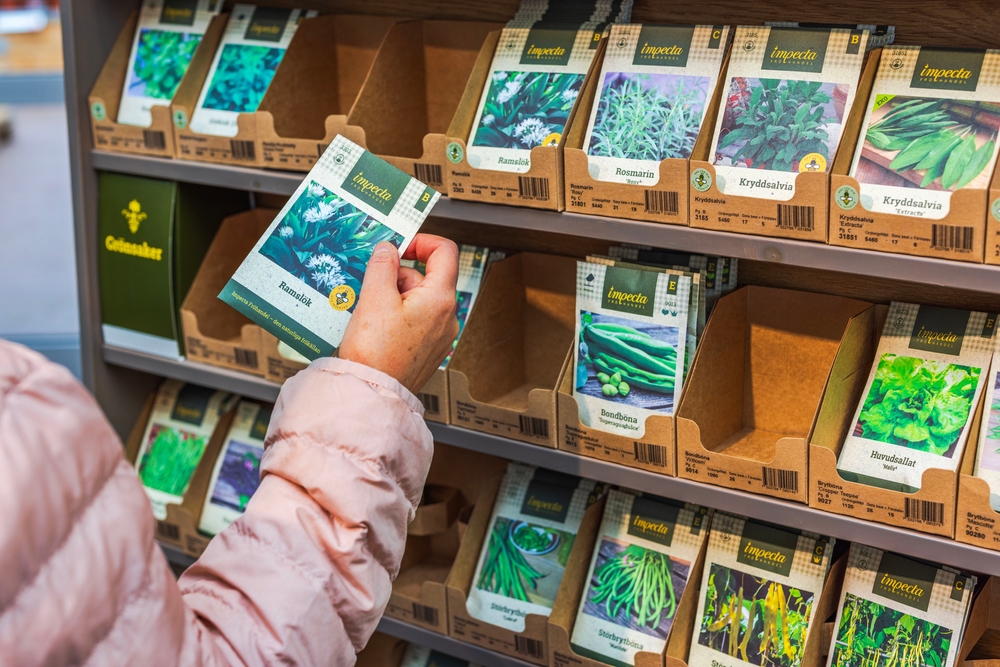
Fall offers a perfect excuse to inventory seeds before buying more. That half-used packet of lettuce hiding behind the cucumber seeds might still contain plenty of viable seed, and some seeds remain usable for several growing seasons when gardeners store them properly. Check the packet’s date and storage conditions, then consider a small germination test if the seed seems old or questionable. A damp paper towel and a small sample can reveal whether seeds still germinate before valuable garden space goes to waste.
Seed packets also make budgeting easier when gardeners match purchases to actual planting space. Buying several varieties simply because the packets look appealing can leave seeds sitting unused for years. A better approach involves choosing crops that fit the available beds, containers and remaining growing season. Fall gardens often reward restraint because cool weather narrows the list of suitable crops, making it easier to skip impulse purchases and focus on vegetables that can actually finish before winter.
4. Extend the Harvest Instead of Replanting Everything
Sometimes the cheapest fall garden involves keeping summer plants productive for a little longer. Tomatoes, peppers, eggplants and other warm-season crops can continue producing while temperatures remain suitable, so there may be no reason to replace them immediately with new plants. Removing a productive plant simply because the calendar says “fall” wastes both the plant and the money already spent growing it. Regular harvesting also encourages many crops to keep producing while conditions remain favorable.
Row covers, cloches and other season-extension methods can sometimes protect plants from light frosts and cool nights, although gardeners need to use them appropriately and monitor temperatures. These tools cannot magically turn a cold-sensitive crop into a winter vegetable, but they can provide useful protection during brief cold snaps. A simple cover can therefore become one of the garden’s most valuable reusable purchases. Store reusable materials carefully after the season, and they can return to duty next year instead of landing in the trash.
5. Make Compost Do More Work
Compost can stretch a garden budget because it turns certain household and garden leftovers into a useful soil amendment. Vegetable scraps, fruit scraps, coffee grounds, leaves, and untreated plant material can contribute to a well-managed compost pile. A healthy compost system needs a reasonable mix of carbon-rich materials, such as dry leaves, and nitrogen-rich materials, such as fresh green plant matter. Keeping the pile appropriately moist and mixing it periodically helps decomposition move along.
Fall provides an especially convenient source of carbon-rich material because fallen leaves often arrive in abundance. Instead of buying bags of soil amendments every time a bed needs organic matter, gather clean leaves and use them strategically in compost or as mulch where appropriate. Shredding leaves helps them break down more readily and reduces the tendency for thick layers to mat together. The result costs very little and gives the garden another use for material that otherwise might end up in a yard-waste bin.
6. Divide, Share, and Reuse Before Buying
Perennial plants can become one of the best sources of free future garden material. Many established perennials benefit from division when the plant and season make it appropriate, and those divisions can fill empty spaces without requiring another trip to the nursery. Fall works well for dividing many spring- and summer-flowering perennials, although the ideal timing varies by plant and climate. Research the specific plant before dividing because some species prefer spring or have special handling requirements.
Sharing plants, seeds, and supplies can stretch the budget even further. One gardener may have more lettuce seed than garden space, while another has spare pots, stakes, or divisions of a perennial that needs a new home. A local garden swap can turn those extras into something genuinely useful without spending anything. Even simple reuse matters, because sturdy stakes, plant labels, trays, and containers often have several seasons of service left in them.
Let the Garden Pay Rent Through Fall
A small garden budget does not require a small fall garden. It requires a little creativity about what counts as a resource, because seeds, containers, leaves, compost ingredients and established plants can all continue contributing after summer starts winding down. The biggest savings often come from noticing what the garden already has before buying something to replace it. That shift can make fall gardening feel less like another expense and more like getting extra value from work already done.
So before the next garden-center run, take a quick inventory of the supplies, plants and seeds already on hand. There may be more usable material hiding in the shed, compost pile and finished vegetable beds than expected.
Which of these budget-stretching tricks would make the biggest difference in your fall garden?
You May Also Like…
The $10 Seed Packet Strategy That Can Stretch a Grocery Budget for Months
9 Gardening Tricks That Can Stretch a Small Budget Further
7 Budget Tools Every Gardener Needs for Safe, Clean Shrub Pruning
7 Garden Purchases Worth Making During End-of-Season Sales
The Garden Center Advice That Cost Me Hundreds of Dollars

Brandon Marcus is a staff writer for FrugalGardening.com at District Media, Inc., where he delivers practical gardening advice with a relatable, no-nonsense style. An avid amateur gardener, he holds a BA degree and with over ten years of professional writing experience, he is also an award-winning published author whose first book, Questions For Deep Thinkers, was released by Adams Media. His work has appeared in major publications including Fandom.com, CHUD.com, TheColdWire.com, and Fansided.com.
Leave a Reply