That awkward corner of the yard does not need to remain the place where forgotten pots, a hose, and one suspiciously rusty shovel go to retire. With the right perennial edibles, even a small, overlooked patch can become a dependable source of food that returns year after year with far less replanting than an annual vegetable bed requires.
The trick involves choosing plants that actually suit the spot instead of forcing a sun-loving crop into a shady nook and hoping for a miracle. A little planning around sunlight, drainage, mature size, and harvest timing can turn an unremarkable corner into one of the most useful parts of the garden.
1. Start With Perennial Crops That Earn Their Space
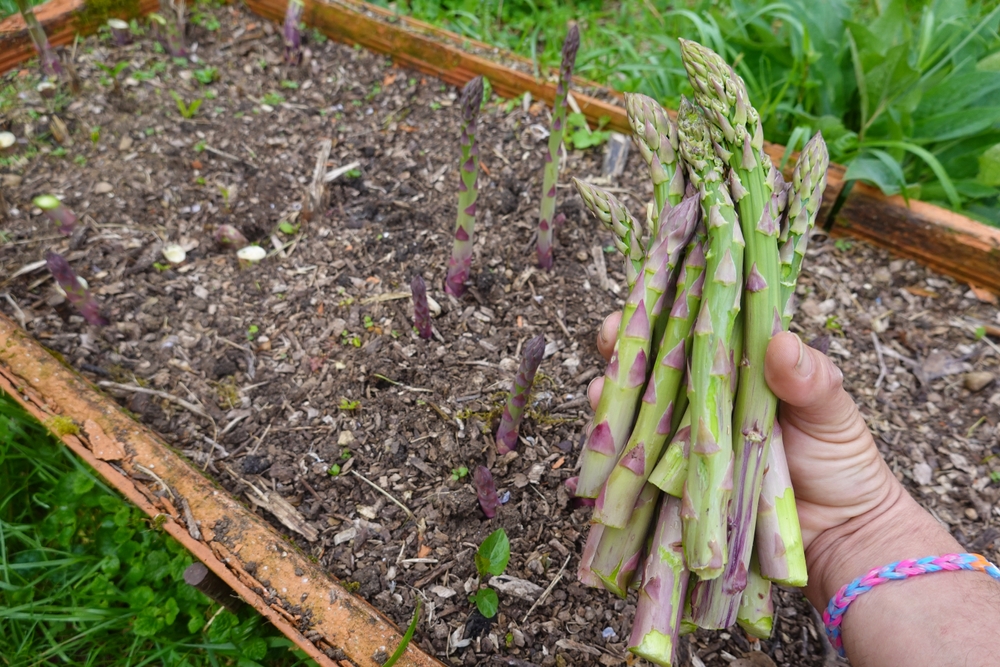
A perennial food patch works best when the plants provide something useful for years rather than occupying valuable ground for one short season. Rhubarb makes an excellent choice for a sunny corner with well-drained, fertile soil, while asparagus can fill a dedicated bed where gardeners can leave the roots undisturbed for the long haul. Perennial herbs such as chives, oregano, thyme, and sage can add another layer of edible growth without demanding constant replanting. Gardeners in suitable climates can also consider berry-producing shrubs or plants such as currants and gooseberries, depending on local growing conditions. The best candidates share one important trait: they can stay in place while the rest of the garden changes around them.
Before planting, check the mature size instead of judging a plant by the tiny specimen sitting in the nursery pot. Rhubarb, for example, needs considerably more room than its young leaves suggest, and asparagus needs a permanent location because its roots become established over time. Chives may look modest at first, but established clumps can expand and produce plenty of usable leaves. A crowded perennial patch quickly turns into a wrestling match involving roots, weeds, and pruning shears. Give each plant enough elbow room from the beginning, and the corner will remain much easier to manage.
2. Match the Plant to the Weirdest Part of the Yard
Every yard has a trouble spot, and that trouble spot often reveals which perennial food plants make sense. A sunny corner with decent drainage can suit asparagus, herbs, rhubarb, or some fruiting plants, while a cooler area with partial shade may work better for herbs that tolerate lower light. Soil that stays soggy after rain deserves attention before planting because many perennial edibles dislike constantly saturated roots. A quick observation session can reveal how many hours of direct sunlight reach the space and where water collects after a storm. That information matters far more than choosing a plant simply because it looked fantastic on a garden-center bench.
Take note of nearby trees, fences, buildings, and large shrubs too, because they can change both sunlight and root competition. Tree roots can compete aggressively for water and nutrients, while dense structures can create surprisingly dry pockets beneath overhangs. If the corner receives only a few hours of weak light, do not squeeze a sun-hungry crop into it just to fill the space. Instead, choose a perennial that fits the conditions or improve the site before planting. The garden gets much easier when the plants work with the location instead of demanding that the location become something it is not.
3. Build the Patch in Layers Instead of a Single Row
An unused corner can become much more productive when plants occupy different heights and spread across the available space. Taller perennial crops can anchor the back of the patch, medium-sized herbs can fill the middle, and low-growing edible plants can cover open ground near the edge. This layered approach also makes the space look intentional rather than like a vegetable garden accidentally wandered into the landscaping. A small berry shrub can provide height, while chives, thyme, or sorrel can fill smaller gaps around it where conditions allow. The result can look more like an edible garden border than a miniature farm squeezed against the fence.
Keep aggressive spreaders and enthusiastic growers in check before they become the garden’s unofficial landlords. Mint, for example, can spread rapidly through underground stems, so a container or other containment strategy makes sense if mint belongs in the design. Leave paths or stepping areas where necessary so harvesting does not require stomping through the planting bed. Mulch around established plants can help conserve soil moisture and reduce competition from weeds, but keep mulch away from direct contact with crowns and stems. Good spacing turns harvesting, weeding, watering, and seasonal cleanup from a chore into a much more manageable routine.
4. Design for Harvests That Arrive at Different Times
One of the smartest ways to use a perennial food patch involves choosing plants that produce at different points in the growing season. Chives can provide an early harvest, asparagus follows in spring, and rhubarb also offers an early-season crop before many summer vegetables hit their stride. Later-season berries or herbs can keep the corner useful after the first flush of spring growth fades. This staggered schedule gives the patch a reason to remain interesting instead of producing one big harvest and then sitting quietly for months. It also spreads out garden tasks, which helps prevent the classic situation where everything needs attention on the same Saturday.
Harvesting rules matter just as much as planting choices, particularly with young perennial crops. Newly planted asparagus needs time to establish before gardeners take substantial harvests, and rhubarb requires gardeners to leave some healthy stalks behind so the plant can continue producing energy through its leaves. Gardeners should also remember that rhubarb leaves contain high levels of oxalic acid and should not enter the kitchen. Regular harvesting can encourage continued production for some perennial herbs, but removing too much foliage at once can weaken a plant. A perennial patch rewards patience, and sometimes the smartest harvest involves leaving perfectly good food right where it grows.
5. Give the Corner a Permanent Garden Job
A perennial food patch works best when someone treats it as a permanent part of the landscape rather than a temporary experiment. Improve the soil before planting with finished compost or other organic matter appropriate for the site, then choose plants that match the existing conditions as closely as possible. Keep weeds from gaining a foothold while perennial plants establish, because young plants face enough competition without a thicket of volunteer grass joining the party. Water new plantings consistently according to their needs, especially during dry weather, while avoiding constantly wet soil. Once the plants establish, regular observation can tell you when they need pruning, dividing, mulching, or a little extra attention.
The corner also deserves a simple maintenance plan that fits real life rather than an imaginary gardener with unlimited free weekends. Mark perennial plants clearly during their dormant season so spring cleanup does not accidentally turn into an excavation project. Divide overcrowded clumps when the particular plant calls for it, and remove damaged or diseased growth promptly so problems do not linger unnoticed. Keep harvest expectations realistic because perennial crops often need establishment time before they deliver their best yields. With thoughtful planting and modest upkeep, that once-useless patch can become a permanent source of herbs, vegetables, or fruit while adding another layer of purpose to the yard.
Give That Forgotten Corner Something Better to Do
The best perennial food patches do not require a huge yard or an elaborate garden makeover. They simply put the right edible plants in the right conditions, leave enough room for mature growth, and give each crop enough time to establish. A forgotten corner can become a spring asparagus bed, an herb-filled border, a rhubarb patch, or a small berry garden depending on sunlight, soil, drainage, and climate. Start with a few dependable plants rather than cramming every available inch with greenery. Once that neglected corner starts producing food, the old shovel may finally lose its retirement home.
Which perennial food plant would you choose for an unused corner of the yard?
You May Also Like…
His HOA Approved His Front-Yard Food Forest — Then a New Board Fined Him
Why Are More People Growing Food on Tabletops and Railings?
Why Are More Gardeners Treating Dandelions as Edible Crops?
8 Edible Flowers That Can Bridge the Gap Between Summer and Fall
Transform Your Side Yard into a Food Forest: Edible Perennials That Require Little Maintenance

Brandon Marcus is a staff writer for FrugalGardening.com at District Media, Inc., where he delivers practical gardening advice with a relatable, no-nonsense style. An avid amateur gardener, he holds a BA degree and with over ten years of professional writing experience, he is also an award-winning published author whose first book, Questions For Deep Thinkers, was released by Adams Media. His work has appeared in major publications including Fandom.com, CHUD.com, TheColdWire.com, and Fansided.com.
Leave a Reply