Summer does not get the final word in the vegetable garden. Several crops actually prefer the cooler conditions of fall, allowing gardeners to keep snipping, pulling, digging, and harvesting long after heat-loving tomatoes and peppers have called it a season.
This involves choosing crops that tolerate cold and timing them so they reach useful size before winter settles in. A light frost can even improve the flavor of some vegetables, turning the garden’s late-season slowdown into a surprisingly delicious encore.
1. Kale Laughs at a Little Frost
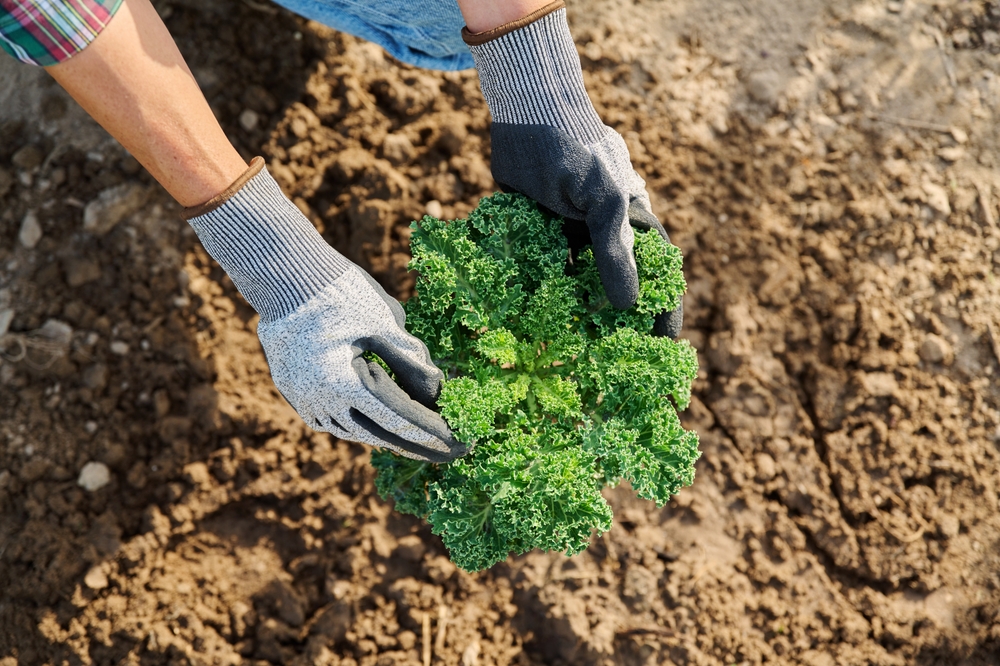
Kale ranks among the best choices for a garden that refuses to quit when temperatures drop. Mature plants tolerate frost remarkably well, and cool weather often produces sweeter, more tender leaves. Gardeners can harvest the outer leaves while leaving the central growing point intact, which keeps the plant producing new foliage. A row of kale can therefore supply greens for salads, soups, sautés, and everything in between while more delicate summer crops disappear. Just protect young plants from severe freezes, especially when temperatures remain below freezing for extended periods.
For the best late-season harvest, pick individual leaves rather than stripping the entire plant. Frosty mornings can make kale look dramatically wilted, but the leaves often recover as temperatures rise during the day. Mulch around the plants to moderate soil temperatures and reduce winter weather swings. If a hard freeze approaches, row cover can provide useful protection without turning the garden into a greenhouse. Kale may not look glamorous in November, but it earns serious respect when dinner needs fresh greens.
2. Carrots Get Sweeter as Temperatures Fall
Carrots make excellent late-season residents because their edible roots sit safely beneath the soil. Cool weather slows their growth, but established carrots can tolerate frost and continue waiting underground for harvest. Gardeners can pull them as needed instead of digging the entire crop at once. Cold conditions can also encourage carrots to accumulate more sugars, which gives late-season roots a particularly pleasant sweetness. Loose, stone-free soil makes harvesting much easier, especially when the ground starts to firm up.
A thick layer of mulch can help protect carrots from repeated freezing and thawing. Straw or shredded leaves work well when gardeners pile them around, rather than directly smothering, the foliage. When harvest time arrives, loosen stubborn soil with a garden fork before pulling the roots to avoid snapping them. Small carrots often taste fantastic, but larger roots can remain worthwhile if the variety handles maturity well. The garden may look sleepy above ground while a perfectly good snack waits underneath.
3. Brussels Sprouts Prefer the Chilly Stuff
Brussels sprouts belong on the shortlist for gardeners who enjoy watching a vegetable take its sweet time. The plants need a long growing season, but cool autumn weather suits the developing sprouts far better than summer heat. Frost can improve their flavor by encouraging the plant to convert stored starches into sugars. Harvest individual sprouts from the bottom of the stalk upward as they reach a firm, usable size. Gardeners can continue picking through several frosty spells when conditions remain suitable.
Timing matters because gardeners should plant Brussels sprouts early enough to give them plenty of growing time before autumn arrives. Once the sprouts reach roughly an inch across and feel firm, they make excellent harvest candidates. Remove yellowing lower leaves as the season progresses, but keep plenty of healthy foliage attached to support continued growth. Strong winds and heavy snow can damage tall plants, so staking them gives extra insurance in exposed gardens. These vegetables reward patience, which makes them a charming match for anyone who enjoys a garden with a long attention span.
4. Parsnips Can Stay Underground
Parsnips turn the usual gardening calendar upside down because cold weather can improve their eating quality. Their roots tolerate frost, and many gardeners deliberately leave mature parsnips in the ground into late fall or winter. Chilly conditions encourage the roots to develop a sweeter flavor as stored starches convert into sugars. Gardeners can harvest them when the soil remains workable instead of racing to pull every root at the first sign of cold. Deep mulch can provide additional protection when freezing weather settles in.
Parsnips also make an excellent candidate for a staggered harvest because the roots remain underground while the weather changes above them. Use a digging fork to loosen the soil deeply before lifting each root, since mature parsnips can grow surprisingly long. Avoid pulling them from frozen soil, which can damage both the roots and the gardener’s patience. Their tops resemble carrot foliage, so mark the planting area clearly before autumn vegetation disappears. A forgotten patch can become a delightful discovery when winter cooking calls for something sweet, earthy, and substantial.
5. Spinach Keeps the Salad Bowl Open
Spinach prefers cool conditions and often struggles when summer heat pushes temperatures upward. Fall therefore gives this leafy crop a second chance, with cooler soil and shorter days creating conditions it generally appreciates. Gardeners can harvest baby leaves for salads or allow plants to develop larger leaves for cooking. Young plants can tolerate light frosts, while established spinach handles considerably colder weather with suitable protection. Row cover can extend the harvest when temperatures begin dropping sharply.
Sow spinach early enough for plants to establish before the cold arrives. Harvest outer leaves first and leave the center growing point intact when possible. Gardeners should avoid waiting for enormous leaves, because smaller leaves often deliver better texture and flavor. A protected bed can keep producing surprisingly late, particularly during stretches of moderate autumn weather. Spinach offers one of the easiest ways to keep fresh green leaves coming when the rest of the vegetable garden starts looking decidedly tired.
6. Turnips Are Built for the Shoulder Season
Turnips grow quickly enough to fit neatly into the late-season garden. Their roots tolerate frost, while their edible greens also handle cool weather nicely. Gardeners can harvest young roots early or leave them longer for larger specimens, provided the soil remains workable. The greens deserve attention too, since they provide another edible crop from the same patch. Cool temperatures generally produce better-quality turnips than prolonged summer heat.
Sow turnips in late summer for a fall harvest, adjusting timing according to the local climate and variety. Keep the soil consistently moist during establishment so the roots develop evenly instead of becoming tough or misshapen. Harvest roots when they reach the size the variety recommends, because oversized turnips can develop a stronger flavor and firmer texture. A light mulch can help protect roots when nighttime temperatures begin flirting with freezing. For a small garden, turnips offer an appealing combination of speed, versatility, and cold tolerance.
7. Beets Keep Giving After Summer
Beets handle cool weather well and offer gardeners two harvests from one planting. The familiar roots provide earthy sweetness, while the young greens work beautifully in salads and cooked dishes. Established beet plants can tolerate light frost, making them useful as temperatures fall. Gardeners can harvest a few roots at a time and leave smaller ones in the soil to continue developing. The foliage also gives a late-season bed a welcome splash of green when summer crops fade.
Choose a sunny, well-drained location and keep the soil evenly moist while the roots develop. When harvesting, loosen the soil before pulling to avoid damaging the beet itself. Gardeners can trim the greens after harvest while leaving a small amount of stem attached to the root. A layer of mulch helps protect remaining roots from temperature swings and makes late digging easier. Beets rarely demand attention, but they quietly keep the harvest basket interesting when the garden starts winding down.
8. Leeks Treat Cold Weather Like a Bonus
Leeks may look humble, but their cold tolerance makes them one of the garden’s great late-season workhorses. Many varieties handle frost well, and gardeners can harvest them gradually instead of clearing the entire bed at once. Their long white stems develop as gardeners gradually hill soil or mulch around the base. Cool weather also gives leeks a mild, sweet flavor that suits hearty soups and roasted dishes. In regions with mild winters, gardeners can leave hardy varieties in the ground for an especially long harvest window.
Harvest leeks by loosening the soil with a fork before lifting the plants. Avoid yanking hard on the leaves, particularly when wet soil grips the roots tightly. Mulching around the plants can provide useful protection as temperatures fall and can also keep soil from drying excessively. Check variety descriptions before relying on a leek for deep-winter harvest, because cold tolerance varies considerably among cultivars. When tomatoes have surrendered and squash vines have collapsed, a row of sturdy leeks can still stand there looking completely unfazed.
Let the Garden Have a Second Act
A productive garden does not need to end when summer does. Choosing cold-tolerant crops and planting them at the right time can stretch the harvest well into autumn, with some vegetables continuing through repeated frosts. Mulch, row cover, sensible harvesting, and protection from extreme freezes can make a meaningful difference. The biggest mistake involves treating the first chilly night as an automatic eviction notice for every vegetable outside. Give the right crops a chance, and the garden can keep filling the kitchen basket long after summer’s favorites disappear.
Which cold-weather crop keeps your garden producing the longest each year? Share the late-season vegetable that earns a permanent spot in your garden in the comments.
You May Also Like…
5 Vegetables That Can Handle a Shadier Summer Corner
Can Reflective Mulch Improve Harvests in Small Vegetable Beds?
Could a Cold Frame Be Useful Before Cold Weather Arrives?
Warm Weather Can Delay Female Flowers on Melons—Gardeners Shouldn’t Panic Yet
5 Ways to Make a Small Garden Feel Cooler Without Adding Trees

Brandon Marcus is a staff writer for FrugalGardening.com at District Media, Inc., where he delivers practical gardening advice with a relatable, no-nonsense style. An avid amateur gardener, he holds a BA degree and with over ten years of professional writing experience, he is also an award-winning published author whose first book, Questions For Deep Thinkers, was released by Adams Media. His work has appeared in major publications including Fandom.com, CHUD.com, TheColdWire.com, and Fansided.com.
Leave a Reply