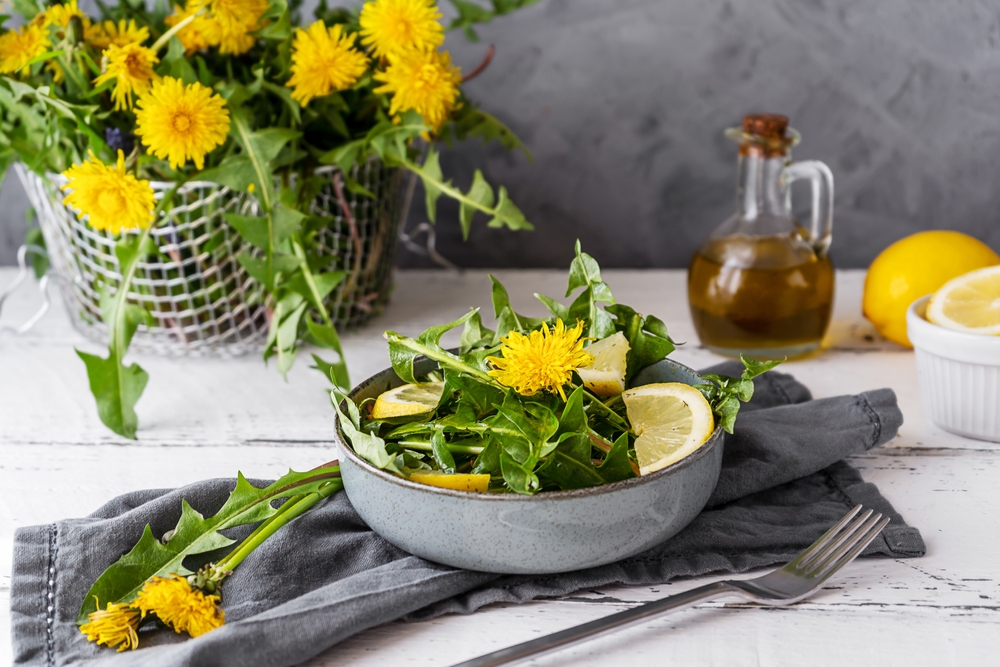
The humble dandelion has spent decades getting blamed for ruining perfectly manicured lawns, yet more gardeners now look at those bright yellow flowers and see lunch instead of lawn trouble. The change makes sense because dandelions offer something many garden crops cannot: food that appears without a seed packet, greenhouse, or carefully negotiated relationship with a tomato plant. Their leaves, flowers, and roots all have culinary uses, turning one of the garden’s most stubborn plants into an unexpectedly useful harvest.
That does not mean every dandelion deserves an invitation to the salad bowl. Location, identification, growing conditions, and chemical exposure matter enormously, especially because dandelions commonly grow in lawns and landscapes where people apply herbicides, fertilizers, or other products. For gardeners who can control where their plants grow, however, the dandelion offers an intriguing lesson in edible gardening: sometimes the crop has been sitting right under the lawn mower all along.
The Weed Label Is Starting to Look a Little Silly
Dandelions earned their weed reputation partly because they possess an almost comical talent for survival. Their deep taproots help them persist through mowing and dry conditions, while their familiar puffball seed heads scatter seeds across lawns, garden beds, and disturbed soil. That persistence frustrates anyone trying to maintain a spotless lawn, but it also explains why dandelions can provide a dependable source of greens with remarkably little gardening fuss.
Gardeners also have a long history of using dandelions as food rather than treating them solely as pests. Young leaves work well raw or cooked, while the flowers can add a mild, honeylike note when harvested young, and roots can become part of teas or other preparations. In other words, the dandelion already comes with a built-in menu, which makes it an interesting candidate for gardeners who want more useful plants and fewer ornamental-only occupants.
Young Leaves Are the Prize on the Plate
Timing makes a surprisingly big difference with dandelion greens. Young leaves generally offer a more pleasant texture and flavor, while older leaves can become considerably more bitter, which makes them better suited to cooking than to casually tossing into a salad. A gardener can snip a few tender leaves, rinse them thoroughly, and use them alongside other greens, or cook them into soups, sautés, and stir-fries.
The flowers deserve attention, too, particularly when they look fresh and newly opened rather than tired and fading. Young blossoms can provide a mild, honeylike flavor, and gardeners can use them in fritters, baked dishes, or other recipes that call for edible flowers. The roots offer another option, although harvesting them requires more digging because the plant’s substantial taproot can extend well below the surface.
The Most Important Rule: Know Where They Grew
A dandelion growing beside a vegetable bed that has never received pesticides presents a very different situation from one growing beside a driveway, roadway, or chemically treated lawn. Gardeners should never harvest dandelions from areas treated with herbicides or other products unless the product label specifically supports food-crop use and the required waiting period has passed. Washing cannot remove systemic pesticides that the plant has absorbed, so choosing a clean growing site matters far more than giving the leaves an extra rinse.
Identification matters just as much because several plants can resemble dandelions at a glance. True dandelions typically produce a single yellow flower on an unbranched, hollow, leafless stalk, while lookalikes such as catsear can produce branching flowering stems with multiple flowers. Anyone harvesting wild plants should positively identify the species before eating it, and beginners should use a reliable field guide or extension resource rather than relying on a quick glance at a yellow flower.
Turning a Lawn Menace Into a Garden Resource
Treating dandelions as an edible crop does not require abandoning every lawn-management goal or deliberately scattering seeds across the property. Instead, gardeners can designate a small, pesticide-free area where dandelions can grow and provide harvestable leaves and flowers, much like an informal perennial herb patch. That approach gives the plants a purpose while keeping them away from places where their rapid seed production could create a bigger maintenance headache.
There is also something wonderfully practical about harvesting a plant that already knows how to handle itself. Dandelions tolerate a wide range of conditions, grow from a persistent taproot, and regularly appear in disturbed soils where fussier crops might struggle. They will not replace lettuce, carrots, or spinach in a productive garden, but they can add another edible option without demanding the same level of planning, watering, thinning, and pest management.
The Dandelion Deserves a Seat at the Garden Table
The growing interest in edible dandelions reflects a broader gardening idea: not every useful plant needs to look like a traditional vegetable. Dandelions provide edible leaves, flowers, and roots, and their persistence makes them an easy plant to notice, harvest, and appreciate when they grow in a suitable location. Their value does not come from pretending they are lettuce in disguise, but from recognizing that a familiar lawn plant can serve a completely different purpose when gardeners manage it intentionally.
The trick lies in treating the dandelion like food rather than grabbing the nearest yellow flower and calling it dinner. Identify it correctly, harvest young plant parts for better flavor, choose plants from clean areas, and skip anything exposed to lawn chemicals or questionable roadside conditions. Once those basic rules become routine, that little yellow flower can stop looking like an enemy and start looking like a remarkably persistent edible crop that never asked for much in return.
What do you think: would you harvest dandelions from a pesticide-free part of the yard, or do those yellow flowers still belong firmly on the weed list?
You May Also Like…
Make the Switch to Microclover Lawns: Clover Mixes Feed Themselves, Suppress Weeds and Stay Green
Why Are Gardeners Growing Skirret and Other Forgotten Edibles?
8 Edible Flowers That Can Bridge the Gap Between Summer and Fall
Can Shade-Loving Edibles Lower Your Garden’s Water Needs?
Why More Americans Are Creating Edible Landscapes

Brandon Marcus is a staff writer for FrugalGardening.com at District Media, Inc., where he delivers practical gardening advice with a relatable, no-nonsense style. An avid amateur gardener, he holds a BA degree and with over ten years of professional writing experience, he is also an award-winning published author whose first book, Questions For Deep Thinkers, was released by Adams Media. His work has appeared in major publications including Fandom.com, CHUD.com, TheColdWire.com, and Fansided.com.
Leave a Reply