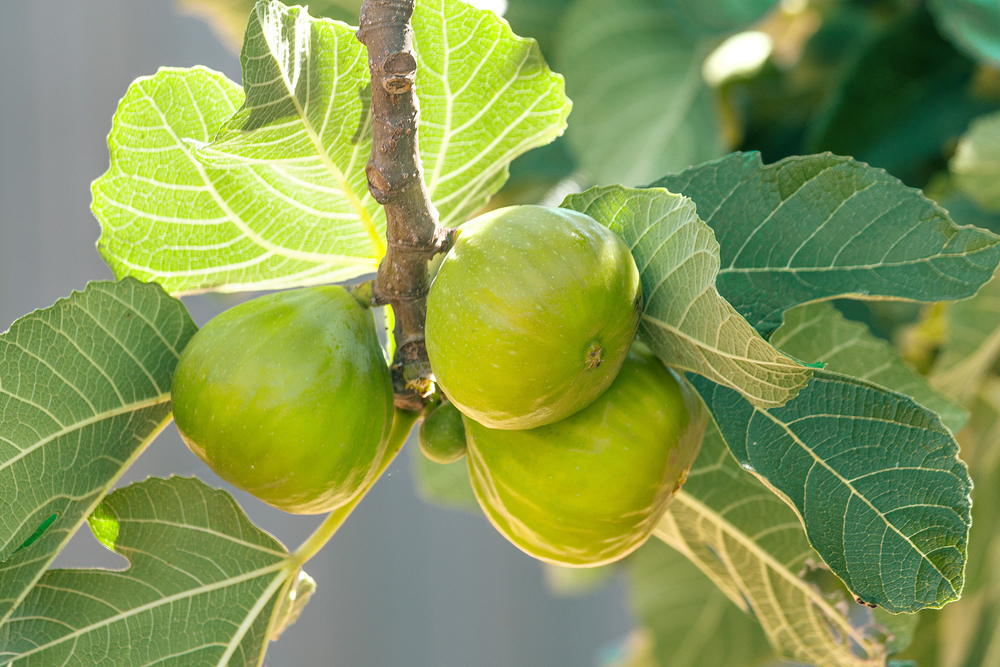
A fig tree loaded with tiny green treasures can create a gardener’s version of heartbreak when those fruits suddenly hit the ground before they become sweet, soft, and ready for picking. Fig trees often drop fruit early because they face stress from water problems, temperature swings, pollination issues, or even the wrong growing conditions.
Early fig drop usually gives gardeners clues instead of a mystery. Once the cause becomes clear, a few adjustments can help the tree hold onto its fruit longer and produce the delicious figs that inspired the planting in the first place.
Water Problems Can Turn Happy Figs Into Fallen Figs
Fig trees handle dry conditions better than many fruit trees, but they still need consistent moisture while fruit develops. A tree that goes from very dry soil to a sudden deep watering can react by dropping immature figs because the rapid change stresses the plant. This often happens during hot summer stretches when gardeners forget that even drought-tolerant plants need support during fruit production.
A simple soil check can reveal a lot before making changes. Push a finger several inches into the soil near the tree, and water deeply when the ground feels dry instead of giving the tree frequent shallow drinks. Mulch around the base can help keep moisture levels steadier, but keep mulch away from the trunk to reduce the risk of rot and pest issues.
Temperature Swings and Growing Conditions Matter
Fig trees enjoy warm weather, but extreme conditions can upset their fruit production schedule. A sudden cold snap, intense heat wave, or strong wind event can cause a tree to abandon developing figs before they mature. Young trees often struggle more with weather stress because their root systems have not spread widely enough to handle dramatic changes.
The planting location also plays a major role in fig success. A sunny spot with well-draining soil gives fig trees the environment they need for healthy growth and reliable fruit. A tree planted in a shady corner or an area with soggy soil may spend energy trying to survive instead of carrying fruit through the entire ripening process.
Pollination and Fig Variety Problems Create Confusion
Many gardeners assume every fig tree works the same way, but fig varieties have different needs. Some figs produce fruit without pollination, while others depend on a specific pollination relationship involving fig wasps. If a variety requires pollination and that process does not happen, the tree may drop fruit before gardeners ever see a ripe fig.
Variety selection matters when planting new trees or adding another fig to the yard. A nursery label can provide important details about whether a fig needs special pollination conditions or grows well in a particular climate. Choosing the right variety from the beginning prevents a lot of frustration later when a tree looks healthy but refuses to deliver ripe fruit.
Pests, Nutrients, and Small Clues Reveal Big Problems
Tiny troublemakers can also explain why figs fall too soon. Fig beetles, birds, squirrels, and other garden visitors may damage fruit or create stress that leads to early drops. Regularly checking the tree helps gardeners spot damaged figs, unusual marks, or signs of insect activity before a small issue becomes a bigger headache.
Nutrition also plays a role, but more fertilizer does not automatically mean more figs. Too much nitrogen can encourage leafy growth while reducing fruit production, creating a beautiful green tree with disappointing harvests. A balanced approach with compost, soil testing when needed, and proper watering usually helps the tree focus energy on developing quality fruit.
Give Your Fig Tree the Conditions It Wants
A fig tree rarely drops fruit without a reason, and the fallen figs often act like little messages from the garden. Check watering habits first, then examine sunlight, soil drainage, weather patterns, and the tree’s variety before making major changes. Small adjustments often make a bigger difference than dramatic fixes.
Patience also matters because fig trees can take time to settle into a routine. A tree that struggled through one season may respond well when conditions improve, especially when gardeners pay attention to the details hiding in plain sight. Healthy fig growing comes from observing the tree, making thoughtful changes, and letting the plant show what it needs.
What has your fig tree taught you this growing season? We want to hear your biggest fig-growing challenges or success stories in the comments.
You May Also Like…
6 Ways to Protect Ripening Fruit From Sudden Splitting
8 Fruits You Should Never Plant Too Close Together
8 Backyard Fruits No One Knows You Can Grow in Small Spaces
5 Ways to Make a Small Garden Feel Cooler Without Adding Trees

Brandon Marcus is a staff writer for FrugalGardening.com at District Media, Inc., where he delivers practical gardening advice with a relatable, no-nonsense style. An avid amateur gardener, he holds a BA degree and with over ten years of professional writing experience, he is also an award-winning published author whose first book, Questions For Deep Thinkers, was released by Adams Media. His work has appeared in major publications including Fandom.com, CHUD.com, TheColdWire.com, and Fansided.com.
Leave a Reply