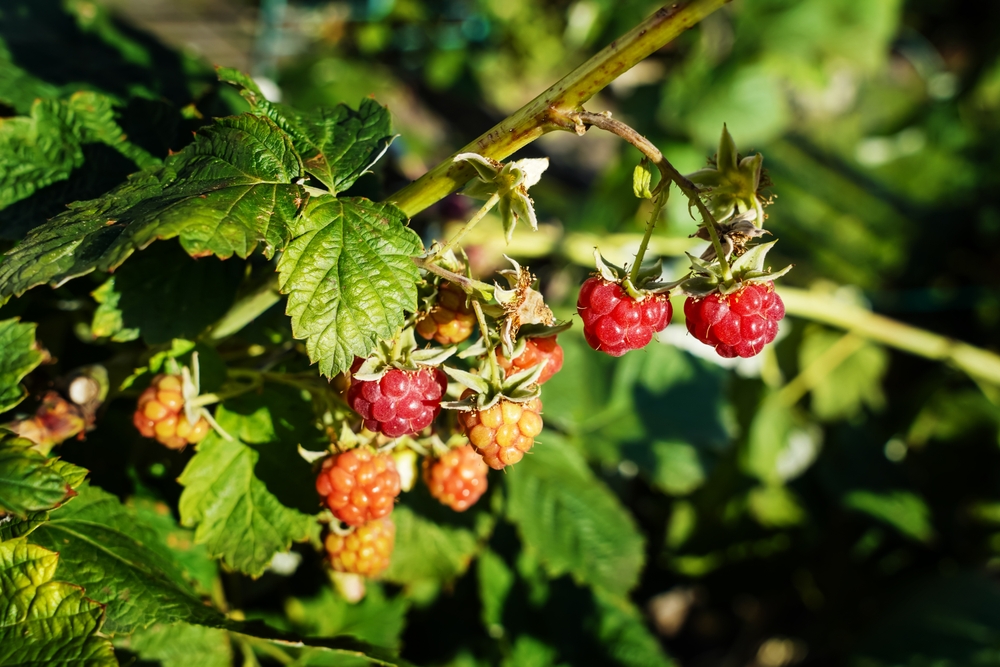
Raspberries drying up before they reach that juicy, candy-like stage usually point to a problem with water, heat, pests, or plant health. Those shriveled little berries can feel like a cruel garden joke, especially after watching green fruit slowly develop on healthy-looking canes.
But don’t get too worried! Luckily for us, a raspberry patch often gives plenty of clues before it completely gives up. By spotting the warning signs, gardeners can fix the problem and get sweeter, plumper berries instead of tiny fruit that looks like it spent a week under a hair dryer.
Water Problems Can Turn Perfect Berries Into Tiny Raisins
Raspberries need consistent moisture while fruit develops, and irregular watering can quickly ruin a promising harvest. When the soil swings from bone dry to soaking wet, the plant struggles to move enough water into each berry. The fruit may begin forming normally but then shrivel before it reaches full size. A common backyard mistake involves watering heavily once a week while ignoring hot, dry stretches when the plants need steady moisture. Mulch around the canes helps slow evaporation and keeps the soil temperature more stable.
Gardeners often discover the issue when the outside of the berry looks dry while the tiny drupelets separate instead of forming one plump fruit. A thick layer of compost, shredded leaves, or straw mulch can help the roots access moisture longer during summer weather. Drip irrigation or a soaker hose also delivers water directly to the root zone without constantly wetting the foliage. Avoid letting the soil stay soggy because raspberry roots need oxygen, and overly wet conditions can invite root problems. A simple finger test works well because gardeners can check the top few inches of soil before reaching for the watering can.
Heat Stress Can Ruin Raspberry Season Quickly
Hot weather can create a frustrating situation where raspberry plants look healthy but the berries struggle to finish ripening. High temperatures speed up moisture loss and can make developing fruit dry out before it turns fully red. Raspberry plants especially dislike sudden heat waves during the period when berries begin filling with juice. Afternoon shade from nearby plants, fencing, or temporary shade cloth can protect fruit from intense sunlight. Gardeners in warmer regions often notice that berries near exposed edges of a patch suffer first.
Heat stress also explains why some raspberries crumble apart or develop a pale, faded appearance instead of a rich color. Morning watering gives plants a better chance to handle hot afternoons because the roots can absorb moisture before temperatures climb. A layer of organic mulch around the base of each plant helps protect shallow raspberry roots from temperature swings. Pruning overcrowded canes improves airflow and allows the plant to focus energy on productive growth. A raspberry patch with good spacing often handles summer challenges much better than a tangled jungle of competing stems.
Tiny Pests Can Create Big Berry Problems
Small insects can cause surprisingly large problems in a raspberry patch, especially when they damage fruit before gardeners notice anything unusual. Some pests feed on developing berries and leave behind dry, misshapen fruit that never reaches its full potential. Spider mites, for example, can appear during hot, dry weather and weaken plants by feeding on leaves. Raspberry fruitworms and other insects can also damage berries while they develop. Regular inspections help gardeners catch trouble before the harvest disappears.
Checking plants does not require fancy equipment because a close look at leaves, stems, and berries reveals many warning signs. Look for tiny webs, damaged leaves, holes, or berries that look different from their neighbors. Removing damaged fruit from the patch helps reduce places where pests can continue their life cycle. Encouraging beneficial insects, such as lady beetles and lacewings, can support a healthier garden ecosystem. Healthy plants with strong leaves and balanced care usually handle minor pest pressure better than stressed plants.
Soil Health Determines Berry Quality
Raspberry plants need fertile, well-draining soil because their roots support every berry that forms above ground. Poor soil conditions can leave plants struggling even when gardeners provide enough sunlight and water. Heavy clay soil can trap excess moisture around roots, while sandy soil can lose water too quickly. Adding compost each year improves soil structure and gives plants a steady supply of organic nutrients. A soil test can reveal whether the garden needs adjustments such as added organic matter or specific nutrients.
Gardeners sometimes blame the berries when the real problem starts underground. Raspberry plants perform best in slightly acidic soil, and extreme soil conditions can limit nutrient availability. Avoid piling fertilizer around plants because excessive nitrogen encourages leafy growth instead of better fruit production. A balanced approach with compost, mulch, and careful feeding usually creates a stronger foundation. Healthy soil acts like a pantry for the plant, storing the resources needed to create juicy berries.
A Few Simple Fixes Can Rescue Next Year’s Harvest
A disappointing raspberry harvest does not always mean the plants need replacing because small changes can make a major difference. Start by checking watering habits, sunlight exposure, soil condition, and signs of pests before making big decisions. Gardeners often solve the problem by combining several small improvements instead of searching for one magical fix. Raspberries reward consistent care, and their needs remain fairly simple once the basics stay balanced. The goal involves creating conditions where each berry has enough water, nutrients, and protection to develop fully.
The next growing season offers another chance to improve the patch with thoughtful preparation. Remove old fruit, prune correctly, refresh mulch, and watch the plants closely as new berries appear. A little attention during the weeks before harvest can prevent many dry, disappointing berries later. Raspberry plants communicate through their leaves, stems, and fruit, and those signals help gardeners respond quickly. When the berries finally become bright, juicy, and full-sized, the effort feels completely worthwhile.
What raspberry problems have you encountered in your garden, and what trick helped you bring back a better harvest?
You May Also Like…
What Is Making Your Zucchini Fruit Shrivel Before Growing?
8 Backyard Fruits No One Knows You Can Grow in Small Spaces
How to Use Berry-Bearing Shrubs for Winter Garden Drama
5 Ways to Turn a Bare Fence Into a Productive Growing Space
Why Are More People Growing Food on Tabletops and Railings?

Brandon Marcus is a staff writer for FrugalGardening.com at District Media, Inc., where he delivers practical gardening advice with a relatable, no-nonsense style. An avid amateur gardener, he holds a BA degree and with over ten years of professional writing experience, he is also an award-winning published author whose first book, Questions For Deep Thinkers, was released by Adams Media. His work has appeared in major publications including Fandom.com, CHUD.com, TheColdWire.com, and Fansided.com.
Leave a Reply