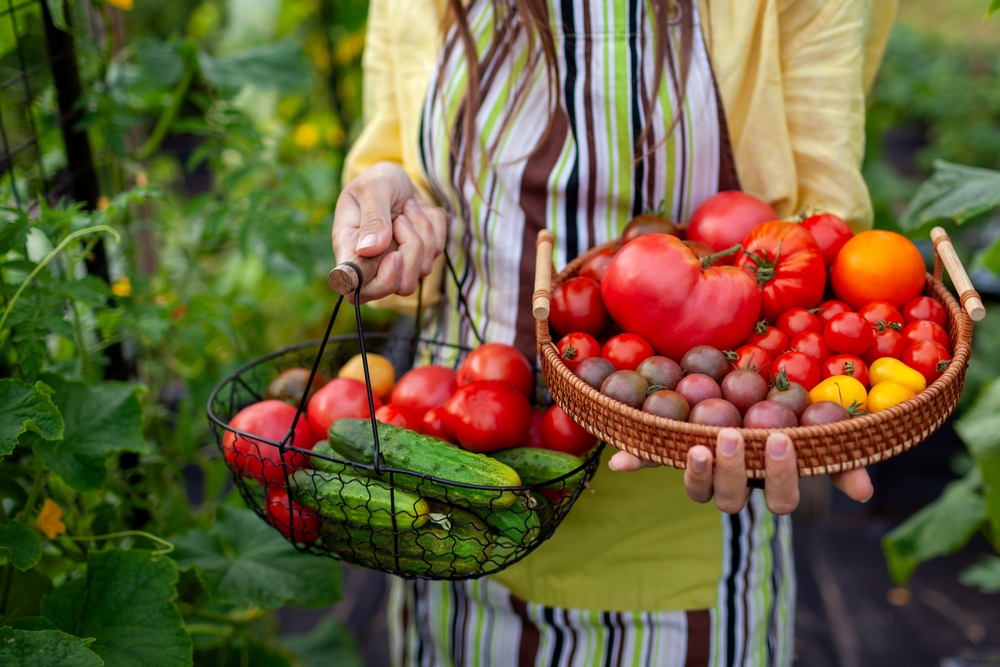
A heat dome can turn a productive garden into a race against the clock, especially when vegetables sit through several days of intense heat. Harvesting certain crops early before extreme temperatures arrive can protect flavor, texture, and the hard work that went into growing them.
Summer gardens often look unstoppable right before the weather takes a dramatic turn. Tomatoes hang heavy, cucumbers multiply overnight, and zucchini seems determined to become a backyard baseball bat. A little early harvesting can keep those garden treasures from becoming disappointing kitchen experiments.
Pick Tender Crops Before the Heat Takes Its Toll
Leafy greens deserve a spot near the top of the early harvest list because hot weather quickly changes their personality. Lettuce, spinach, arugula, and other greens can turn bitter when temperatures climb, making a crisp salad taste more like a garden apology. Harvesting leaves in the cooler morning hours helps preserve their fresh texture and flavor. Gardeners can pick mature leaves first and leave smaller leaves behind for another meal if the plants still look healthy. A quick rinse and proper storage in the refrigerator can keep those greens useful for several days.
Herbs also appreciate an early haircut before a heat dome settles in. Basil, cilantro, parsley, and dill often produce their best flavor before extreme heat causes them to stretch upward and focus on flowering. Cutting herbs before they bloom gives cooks a chance to freeze pesto, dry seasonings, or create fresh sauces while the plants still deliver strong flavor. Many gardeners forget that herbs do not need to reach giant sizes before harvest, and frequent picking often encourages continued production. A basket full of freshly cut herbs can become the summer kitchen’s secret weapon instead of another forgotten pile in the refrigerator.
Gather Fruits and Vegetables That Ripen Quickly
Soft-skinned crops such as cucumbers, summer squash, and zucchini deserve attention before a heat wave arrives. These vegetables grow rapidly during warm weather, but extreme heat can leave them with a rougher texture or a bitter taste. Picking cucumbers slightly early keeps them crisp and prevents oversized fruits with tough seeds. Zucchini especially rewards frequent harvesting because small, tender fruits usually offer the best eating quality. Checking plants daily before extreme heat can prevent the classic gardener surprise of finding a zucchini large enough to qualify as a porch decoration.
Tomatoes create a tricky decision because many gardeners wait for perfect color before picking. During intense heat, tomatoes can struggle to ripen evenly, and high temperatures can interfere with the natural pigment changes that create that classic red appearance. Gardeners can pick tomatoes that show signs of color change and allow them to finish ripening indoors in a shaded area. This approach helps protect fruit from cracking, sunscald, and hungry wildlife searching for a juicy snack. Tomatoes that already feel soft and fully ripe should move straight to the kitchen before the heat turns them into garden casualties.
Protect Root Crops and Future Harvests
Root vegetables require a different strategy because they hide underground while temperatures climb above the soil. Carrots, beets, and radishes can handle some heat, but prolonged hot conditions may affect texture and flavor. Harvesting mature roots before a major heat event can make sense, especially if the soil dries quickly or irrigation becomes difficult. Smaller roots often provide sweeter flavor and a more tender bite than oversized ones. A garden fork and a little patience can uncover a surprising amount of food before the weather becomes challenging.
Onions and garlic also deserve attention when their tops begin showing signs of maturity. Once foliage starts yellowing and bending over, gardeners can pull these crops and begin the curing process in a dry, shaded location. Proper curing helps improve storage life and protects bulbs from moisture problems. Leaving mature bulbs in hot, dry soil can create unnecessary stress and reduce quality. Timing the harvest around weather changes gives gardeners more control and fewer unpleasant surprises.
Make a Heat Dome Harvest Plan Before Temperatures Rise
A successful pre-heat harvest starts with a walk through the garden and a simple checklist. Look for vegetables that already reached eating size, crops showing color changes, and plants that struggle during hot weather. Morning harvesting works best because plants hold more moisture before afternoon heat pulls water away. Clean containers, sharp scissors, and baskets make the process faster and reduce damage to delicate produce. A few minutes of planning can save hours of disappointment after a heat wave arrives.
Gardeners do not need to strip every plant bare before a heat dome. The goal involves protecting valuable crops while allowing healthy plants to continue producing when conditions improve. Mulching, watering deeply, and adding temporary shade can help many vegetables handle stressful weather. The garden may look a little less full after a harvest session, but the kitchen counter will tell a much happier story. Smart timing turns extreme weather from a garden disaster into a manageable challenge.
The Best Harvest Happens Before the Garden Feels the Heat
A heat dome does not have to steal the rewards of a summer garden when gardeners act early. Picking greens, herbs, tender vegetables, tomatoes, and mature roots at the right moment protects quality and reduces waste. The best harvest decisions come from watching plants closely instead of waiting for every crop to reach the perfect picture in a seed catalog. Gardens respond to weather, and successful gardeners respond right back with a little flexibility. A basket filled before a heat wave can represent weeks of care, patience, and plenty of delicious possibilities.
The next time temperatures start climbing toward extreme levels, a quick garden inspection can make a major difference. Harvesting early does not mean giving up on the season because many plants continue producing after the heat passes. It means making a smart move that respects what plants need and what the weather brings. Summer gardening always includes surprises, but preparation keeps those surprises from becoming problems. A little early picking can keep the garden table full even when the thermometer gets ambitious.
What crops do you always harvest early when a heat wave approaches, and what garden tricks help your plants handle extreme summer weather?
You May Also Like…
Warm Weather Can Delay Female Flowers on Melons—Gardeners Shouldn’t Panic Yet
Can Tabletop Tomatoes Produce Enough Fruit to Be Worth the Space?
7 Heat-Safe Garden Chores Worth Doing Before Breakfast
The July Pest Damage Gardeners Mistake for Heat Stress
7 Vegetables That Give You the Biggest Harvest for the Money

Brandon Marcus is a staff writer for FrugalGardening.com at District Media, Inc., where he delivers practical gardening advice with a relatable, no-nonsense style. An avid amateur gardener, he holds a BA degree and with over ten years of professional writing experience, he is also an award-winning published author whose first book, Questions For Deep Thinkers, was released by Adams Media. His work has appeared in major publications including Fandom.com, CHUD.com, TheColdWire.com, and Fansided.com.
Leave a Reply