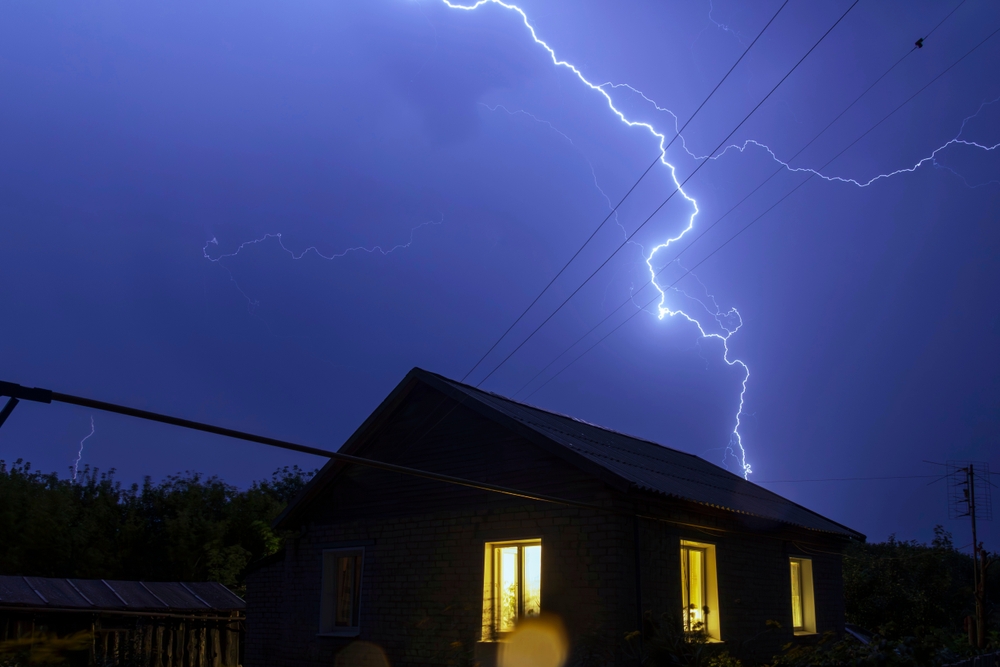
Dark clouds rolling across the horizon often leave gardeners with one big question: should those potted plants stay outside or head for shelter? The answer depends on more than just rain. Wind, hail, saturated soil, and even flying debris can turn a healthy container garden into a messy collection of broken stems and cracked pots within minutes.
A little preparation before a storm can save months of growing time. Not every container needs rescuing, and rushing outside at the last second rarely ends well. Knowing which plants deserve a quick move and which ones can ride out the weather makes storm preparation much easier while keeping both plants and gardeners safe.
Why Wind Usually Causes More Trouble Than Rain
Rain rarely hurts established potted plants by itself. Most container plants welcome a deep soaking after hot summer weather, especially if the pot drains well. Heavy rain can even flush excess fertilizer salts from the soil, giving roots a fresh start. Problems begin when water pools in containers without drainage holes or when storms dump several inches of rain in a short period. Healthy drainage keeps most plants perfectly happy through an ordinary downpour.
Strong wind creates a very different challenge. Tall tomatoes, flowering annuals, climbing vines, and tropical plants catch the wind like little sails. Lightweight plastic pots tip easily, ceramic containers can crack when they fall, and branches snap under sudden gusts. Flying patio furniture, loose garden tools, or broken tree limbs may also strike plants that otherwise could have survived the storm.
Which Potted Plants Should Move First
Not every container deserves the same level of attention before bad weather arrives. Lightweight pots, hanging baskets, newly planted containers, and anything growing taller than its pot should move to a protected location first. Plants with large leaves, such as elephant ears, bananas, or canna lilies, often suffer torn foliage because broad leaves catch powerful gusts. Delicate flowering plants also benefit from temporary shelter because pounding rain and hail quickly shred blooms that took weeks to develop.
Heavy containers filled with shrubs or small trees usually stay safer where they already sit. Trying to drag a massive ceramic planter across a wet patio creates more danger than leaving it alone. Instead, move smaller pots first, cluster sturdy containers together to reduce tipping, and relocate valuable specimens beneath a covered porch, inside a garage with light, or against a sheltered wall until the storm passes.
Smart Ways to Protect Plants Without Bringing Them Indoors
Sometimes moving every container simply does not make sense. Grouping pots tightly together creates a more stable arrangement because neighboring containers support each other against gusty winds. Placing heavier pots around the outside of the group also shields smaller containers from direct wind exposure. This simple trick works surprisingly well for patios and decks where space allows.
Avoid bringing plants deep into a dark garage or basement for several days unless severe weather leaves no other option. Most outdoor plants tolerate one night without much light, but extended darkness weakens growth and encourages stress. Skip plastic coverings that trap heat and humidity around foliage. If hail threatens, temporary protection under a covered porch or beneath a sturdy patio roof works much better than wrapping plants in plastic sheets.
Know When Personal Safety Comes First
Watching prized plants bounce around in high winds tempts many gardeners to dash outside during a storm. That decision never pays off. Lightning can strike several miles ahead of heavy rain, and powerful gusts often arrive before the darkest clouds. Garden chores should finish well before severe weather reaches the yard.
Checking the forecast several hours ahead offers the biggest advantage. Moving containers while skies remain calm takes only a few minutes compared with scrambling once thunder begins. Keeping rolling plant caddies under large pots also speeds up storm preparation throughout the season. A little planning reduces panic and keeps everyone safer while protecting the garden at the same time.
The Best Storm Plan Starts Before the Forecast Changes
Container gardening offers one huge advantage over planting directly in the ground because every pot can move when conditions demand it. A quick inspection of drainage holes, sturdy pots, stable locations, and nearby sheltered spaces makes severe weather much less stressful when the next thunderstorm appears on the forecast. Plants cannot avoid bad weather, but thoughtful preparation gives them an excellent chance to bounce back with little more than a few bent leaves. The next time dark clouds gather, move the vulnerable containers early, leave the heavy stable ones in place, and let common sense guide every decision before the first clap of thunder arrives.
What steps do you take to protect your potted plants before severe storms roll through? Share your favorite storm preparation tips in the comments.
You May Also Like…
The Heat-Wave Watering Mistake That Can Kill Container Gardens
Warm Weather Can Delay Female Flowers on Melons—Gardeners Shouldn’t Panic Yet
10 Plants That Actually Prefer Hot Weather
Why Container Gardening Is Booming Among Apartment Renters
Turn Household Containers Into Thriving Veggie Gardens With Buckets, Totes & Milk Jugs

Brandon Marcus is a staff writer for FrugalGardening.com at District Media, Inc., where he delivers practical gardening advice with a relatable, no-nonsense style. An avid amateur gardener, he holds a BA degree and with over ten years of professional writing experience, he is also an award-winning published author whose first book, Questions For Deep Thinkers, was released by Adams Media. His work has appeared in major publications including Fandom.com, CHUD.com, TheColdWire.com, and Fansided.com.
Leave a Reply