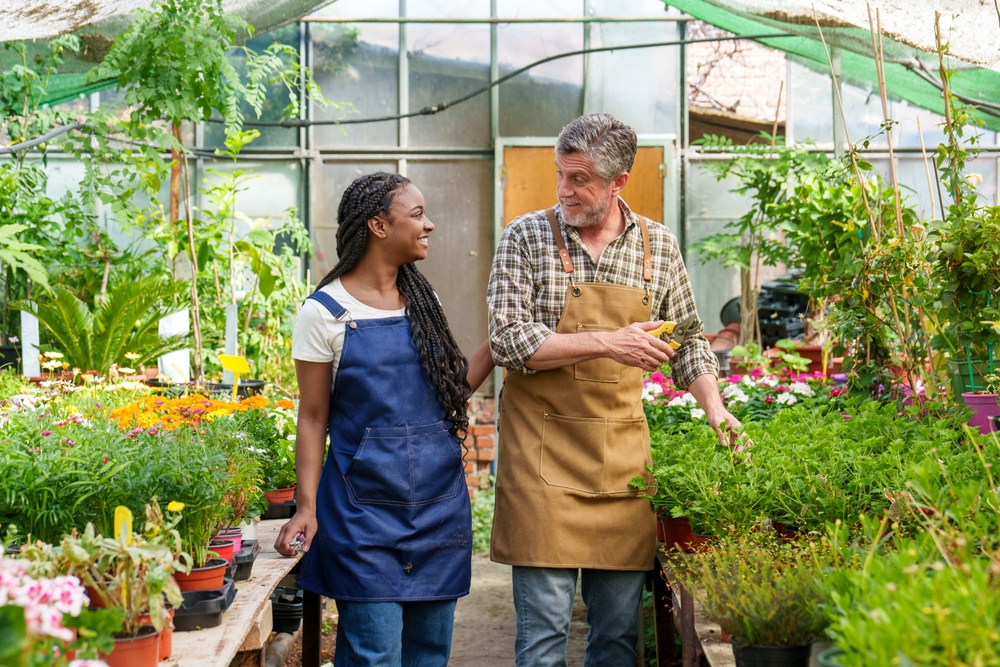
Fresh vegetables, colorful flowers, and friendly neighbors all fit into one surprisingly affordable project. Starting a community garden plot does not require a big budget, expensive equipment, or a truckload of supplies. With a little creativity and some smart planning, almost anyone can transform a patch of soil into a productive growing space without draining a bank account.
Many first-time gardeners assume they need fancy raised beds, premium soil, and every shiny tool hanging in the garden center. That assumption often stops great projects before they begin. Community gardens succeed because people share resources, divide responsibilities, and solve problems together. That teamwork often cuts costs far more than any sale at the hardware store.
Start With What Already Exists
Many towns already offer community garden spaces through parks departments, neighborhood associations, churches, schools, or nonprofit organizations, making an existing plot much cheaper than building a new garden from scratch. Annual fees often cover water access, shared tools, compost bins, and basic maintenance, which saves participants from buying everything themselves. Even if no formal garden exists nearby, unused land behind community centers or places of worship sometimes becomes available after a simple conversation with the property owner. Local governments occasionally support neighborhood beautification projects with small grants or donated materials, so asking questions can pay off in surprising ways.
Joining an established garden also comes with something even more valuable than free wheelbarrows. Experienced gardeners gladly point newcomers toward inexpensive seed sources, trusted compost suppliers, and local plant swaps that many beginners never discover on their own. Someone usually has extra tomato cages sitting in a shed or leftover onion sets waiting for a new home. That generosity creates an environment where knowledge travels just as freely as gardening supplies. A community garden becomes part vegetable patch and part neighborhood classroom.
Skip Fancy Materials and Build Slowly
Social media loves picture-perfect raised beds built from expensive cedar lumber, but vegetables care far more about healthy soil than attractive borders. A simple in-ground plot produces excellent harvests when gardeners remove weeds, loosen compacted soil, and add compost. If raised beds eventually make sense because of poor soil or accessibility needs, reclaimed untreated lumber or locally sourced materials often cost much less than buying new kits. Starting small also leaves room to learn before investing more money.
Garden tools follow the same rule. One sturdy shovel, a hand trowel, a garden fork, pruning snips, and a watering can handle nearly every beginner task. Community gardens frequently keep shared tools on-site, while neighbors often lend specialty equipment for occasional projects. Spending money only after identifying genuine needs prevents the common mistake of filling a garage with tools that barely leave the shelf. Plants reward careful attention much more than expensive gadgets.
Let Seeds and Compost Do the Heavy Lifting
Seeds deliver one of gardening’s greatest bargains. A single packet often grows many more plants than one household can use, which makes seed swapping a natural tradition in community gardens. Garden clubs, libraries, and neighborhood events frequently host seed exchanges where gardeners trade extra varieties without spending a dollar. Saving seeds from open-pollinated vegetables at the end of the season creates another inexpensive cycle that keeps gardens productive year after year.
Healthy soil deserves attention because it supports nearly everything that follows. Finished compost improves soil structure, helps retain moisture, and feeds beneficial organisms that support plant growth. Many municipalities offer free or low-cost compost made from collected yard waste, while community gardens often maintain shared compost piles using leaves, grass clippings, and kitchen scraps from participants. Rich soil also reduces watering needs during hot weather, which saves both time and money throughout the growing season. Every shovelful of homemade compost replaces products that otherwise cost far more at the garden center.
Share the Work and Multiply the Harvest
Community gardens succeed because everyone contributes something different. One person knows irrigation, another builds trellises, someone else starts seedlings indoors, and another keeps weeds under control during busy weeks. Dividing responsibilities makes every dollar stretch farther because no single gardener needs to purchase every supply or master every skill. The shared effort also keeps the garden productive when vacations or unexpected commitments arise.
Harvest sharing creates another hidden financial benefit. One plot may overflow with zucchini while another produces more lettuce than anyone can eat before it bolts. Gardeners naturally exchange fresh produce, reducing waste while adding variety to everyone’s table. That spirit of cooperation often extends beyond vegetables. Members swap recipes, preserve extra produce together, and even organize seasonal workdays where many hands finish big projects in just a few hours. Those experiences build a stronger community along with healthier gardens.
Small Investments Can Grow Into Big Rewards
A modest community garden plot teaches lessons that extend well beyond growing tomatoes or beans. Gardeners learn patience, improve problem-solving skills, and gain confidence as each season brings new successes along with a few amusing mistakes. Crooked carrots, oddly shaped cucumbers, and the occasional squirrel raid become memorable stories instead of expensive failures. Every season adds practical knowledge that makes the next garden even better.
Which money-saving tip would inspire the first step toward starting or joining a community garden in your neighborhood?
You May Also Like…
The July Balcony Garden Problem: Too Much Sun, Too Much Wind, and Bolting Lettuce
Why Gardeners Are Planting “Insurance Crops” This Year—and What They Are
How to Start a Community Garden Without Wasting Money on the Wrong Setup
10 Vegetables That Give the Best Return for Small Gardens

Brandon Marcus is a staff writer for FrugalGardening.com at District Media, Inc., where he delivers practical gardening advice with a relatable, no-nonsense style. An avid amateur gardener, he holds a BA degree and with over ten years of professional writing experience, he is also an award-winning published author whose first book, Questions For Deep Thinkers, was released by Adams Media. His work has appeared in major publications including Fandom.com, CHUD.com, TheColdWire.com, and Fansided.com.
Leave a Reply