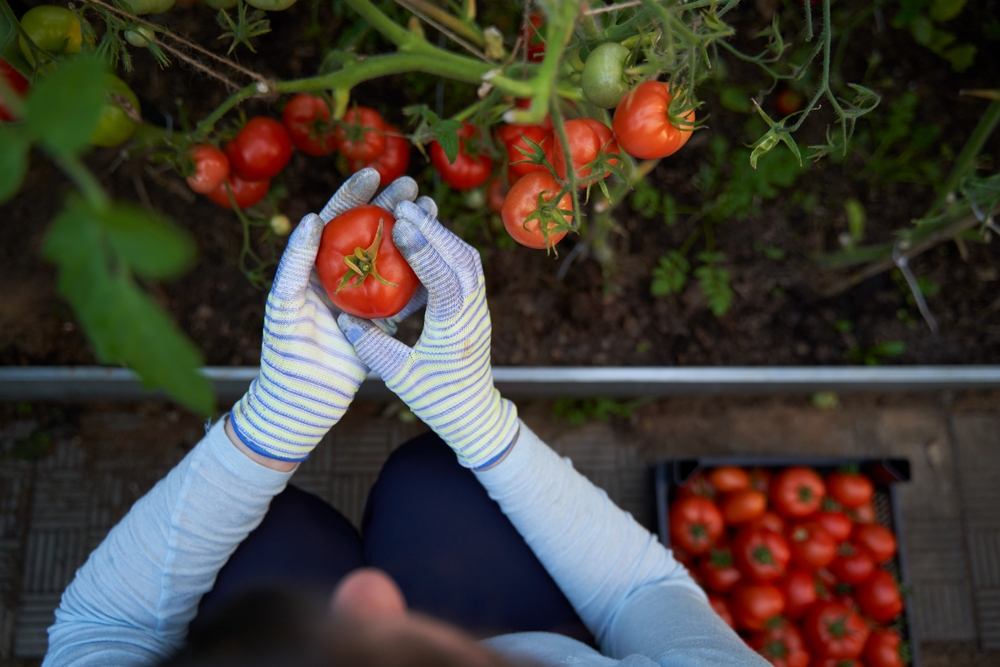
Some gardening seasons feel like a friendly handshake. Others feel like a wrestling match with the weather. Cool temperatures, endless rain, and soggy soil often leave tomato lovers staring at yellow leaves instead of baskets full of ripe fruit. This year, however, brings welcome news for gardeners who refuse to let gloomy skies ruin tomato season.
Plant breeders have spent years developing blight-resistant tomatoes that stand up far better to the diseases that usually explode during damp weather. While no tomato offers complete immunity, these newer varieties give home gardeners a much stronger chance of harvesting healthy, flavorful fruit even when summer refuses to cooperate. That makes this an exciting season to rethink the tomato patch.
Why Cool, Wet Summers Cause So Much Trouble
Tomatoes love sunshine and moving air, but cool, rainy weather creates the perfect playground for fungal diseases. Early blight and late blight spread quickly when leaves stay wet for long periods, turning healthy green plants into spotted, dying vines surprisingly fast. Once those diseases gain momentum, even experienced gardeners often struggle to slow them down. A single stretch of rainy weather can completely change the outlook for the season. That explains why so many gardeners celebrate varieties bred specifically to resist these persistent problems.
Even the strongest tomato plants still appreciate good growing habits. Space plants generously, water at the base instead of soaking the foliage, and remove lower leaves that touch the soil. A layer of mulch helps prevent disease spores from splashing onto leaves during heavy rain. Those simple steps work alongside blight-resistant tomatoes rather than replacing good garden care. Think of disease resistance as an extra layer of insurance instead of an excuse to ignore the basics.
Meet the New Generation of Tough Tomatoes
Plant breeders have combined stronger disease resistance with the flavor gardeners actually want. Older disease-resistant tomatoes sometimes earned a reputation for bland taste, but newer introductions focus on rich flavor, firm texture, and dependable production. Gardeners no longer need to choose between healthy plants and delicious sandwiches. That combination makes these newer selections especially appealing for backyard growers. The result feels less like a compromise and more like a genuine upgrade.
Several standout varieties continue attracting attention among gardeners in cooler regions. ‘Mountain Merit’ produces medium-sized slicing tomatoes with resistance to both early and late blight. ‘Defiant PhR’ develops classic red tomatoes while showing impressive resistance to late blight, making it a dependable choice during rainy summers. Cherry tomato fans often reach for ‘Jasper,’ a productive variety with excellent disease resistance and sweet fruit that keeps coming long after other plants begin fading. These blight-resistant tomatoes give gardeners more confidence when unpredictable weather arrives.
Bigger Harvests Start Long Before the First Tomato Ripens
Success begins before the seedlings even reach the garden. Choose a location that receives at least six to eight hours of direct sunlight because stronger plants resist disease much more effectively than stressed ones. Rich, well-drained soil also encourages vigorous root growth that supports steady fruit production throughout the season. Healthy plants simply handle difficult conditions better. Good preparation pays dividends every week afterward.
Regular maintenance keeps plants productive even when rain dominates the forecast. Remove yellowing or spotted leaves as soon as they appear, stake or cage plants to improve airflow, and avoid overcrowding the garden bed. Fertilize consistently but avoid excessive nitrogen because lush foliage can trap moisture around the leaves. These habits reduce disease pressure while helping blight-resistant tomatoes reach their full potential. Small weekly tasks often prevent much larger headaches later.
A Better Tomato Season Starts With Smarter Choices
Many gardeners know the disappointment of watching beautiful tomato plants collapse just as the first fruits begin coloring up. That frustration often leads people to assume they lack gardening skills, when the real culprit simply comes down to weather and disease pressure. Choosing improved varieties shifts the odds back in the gardener’s favor before the season even begins. Pair those varieties with smart watering, careful spacing, and consistent maintenance, and the difference becomes surprisingly noticeable. Sometimes the biggest improvement comes from planting smarter rather than working harder.
This year offers an excellent opportunity to give blight-resistant tomatoes a spot in the garden, especially in regions where rainy summers have become increasingly common. They cannot guarantee a perfect harvest because nature always writes part of the story, but they dramatically improve the chances of collecting baskets filled with fresh, flavorful tomatoes instead of disappointment. Better genetics, combined with practical gardening habits, create a winning combination for beginners and longtime growers alike. A little planning today can reward gardeners with weeks of homegrown flavor later in the season. That sounds like a recipe worth planting.
The Tomato Patch May Never Look the Same Again
Weather will always surprise gardeners, but better plant breeding continues to stack the deck in favor of a successful harvest. Blight-resistant tomatoes allow gardeners in cool, wet climates to enjoy productive plants without spending the entire summer battling disease. Smart variety selection, healthy soil, and consistent care create a garden that stays productive even when the forecast refuses to cooperate. Every growing season teaches something new, and this year’s lesson may simply be that genetics matter as much as garden tools. A healthier tomato patch could begin with the seed packet sitting on the garden center shelf.
What tomato varieties have earned a permanent place in your garden, or are you planning to try one of these blight-resistant tomatoes this season? Give us your favorites and experiences in the comments below.
You May Also Like…
7 Things That Secretly Stress Tomato Plants
7 Signs Your Tomato Plants Are in Serious Trouble
8 Vegetables That Grow Easily Even in Beginner Gardens
The Baking Soda Secret for Sweeter Tomatoes Every Time
Cheap Support Ideas for Vining Plants Like Tomatoes and Beans

Brandon Marcus is a staff writer for FrugalGardening.com at District Media, Inc., where he delivers practical gardening advice with a relatable, no-nonsense style. An avid amateur gardener, he holds a BA degree and with over ten years of professional writing experience, he is also an award-winning published author whose first book, Questions For Deep Thinkers, was released by Adams Media. His work has appeared in major publications including Fandom.com, CHUD.com, TheColdWire.com, and Fansided.com.
Leave a Reply