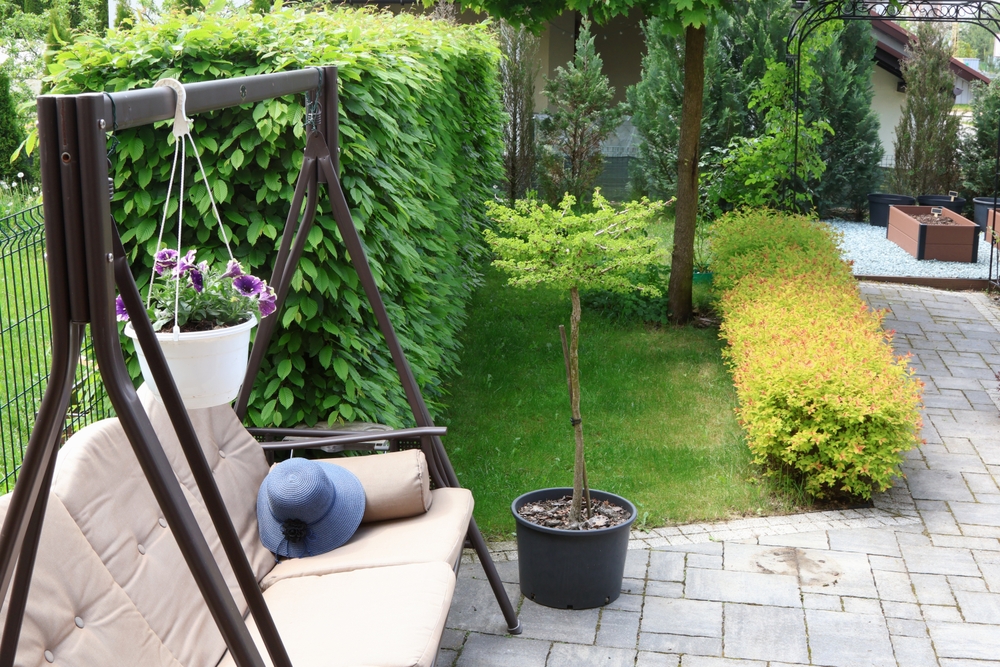
Outdoor spaces are getting a personality upgrade, and it shows the moment you step outside. Crisp hedges and perfectly symmetrical garden beds still exist, but many homeowners now lean toward spaces that feel lived-in, flexible, and inviting. The shift does not focus on perfection anymore, but instead on comfort, usability, and connection to nature. Patios stretch into garden lounges, pathways meander instead of marching in straight lines, and planting beds feel more like natural landscapes than display cases.
This change reflects a growing desire to spend more real time outdoors instead of simply looking at a yard through a window. Gardens now work harder, serve more purposes, and feel more like outdoor rooms than decorative backgrounds.
Why Formal Landscaping Is Losing Its Grip on Modern Yards
Formal landscaping once signaled order, status, and control over nature. Straight lines, clipped hedges, and symmetrical layouts created a polished look that required constant upkeep. Over time, many homeowners began to notice how much effort those designs demanded just to maintain their appearance. A single missed trimming cycle could disrupt the entire aesthetic, which left little room for flexibility or spontaneity. That pressure has pushed many gardeners to explore softer, more forgiving designs that still look intentional without demanding perfection.
Modern outdoor spaces now prioritize ease of living over strict visual rules. Instead of forcing plants into rigid shapes, gardeners allow textures, heights, and colors to interact more freely. This shift creates a more natural rhythm that feels closer to wild landscapes while still staying curated. Homeowners also appreciate how these designs reduce weekly maintenance demands while increasing enjoyment time outside. The yard stops feeling like a chore list and starts feeling like a place to unwind.
The Rise of Layered Outdoor Living Zones
Outdoor living now divides space into zones that serve different moods and activities. A dining area might sit close to the kitchen door, while a lounge space stretches deeper into the garden for privacy and quiet. Fire pits, reading corners, and hammock spots often appear as intentional destinations rather than random additions. This layered approach helps the yard feel larger, more dynamic, and more useful throughout the day. It also encourages people to move through the space instead of staying in one static spot.
Designers now treat outdoor spaces like interior floor plans, but with sunlight, wind, and seasonal change shaping every decision. Materials like gravel, wood, and stone help define boundaries without blocking sightlines or breaking the natural flow. Plants also play a role in separating zones, with taller grasses creating gentle privacy and low shrubs guiding foot traffic. This method makes the entire yard feel connected while still offering distinct experiences in each section. The result feels relaxed yet purposeful, like a home that extends beyond its walls.
Plants That Bring Movement, Not Just Structure
Plant choices now focus more on movement, texture, and seasonal change than rigid formality. Ornamental grasses sway with the wind, creating sound and motion that static hedges cannot match. Perennials that shift color through the seasons add a sense of surprise and rhythm to garden beds. Even shrubs now get selected for their natural growth patterns rather than their ability to stay tightly clipped. This approach gives gardens a softer, more expressive personality.
Homeowners also choose plants that attract pollinators, birds, and beneficial insects, which adds life and activity to the space. Butterflies drifting through flowering beds or bees working through blooms bring energy that structured landscapes often lack. This type of planting also reduces the need for constant shaping and pruning, since the design embraces natural form instead of fighting it. The yard begins to feel like a small ecosystem instead of a decorative display. That shift creates a deeper sense of connection to the outdoor environment.
Hardscaping That Feels Natural Instead of Staged
Hardscaping now focuses on blending into the environment instead of standing out sharply against it. Stone paths curve gently through garden beds, and materials often reflect natural tones like weathered gray, warm brown, and soft earth hues. Instead of polished perfection, many homeowners choose surfaces that age gracefully and gain character over time. This approach helps outdoor spaces feel grounded and connected to their surroundings. It also reduces the visual contrast between built elements and living plants.
Seating areas now integrate more organically into the landscape instead of sitting on isolated concrete pads. Built-in benches wrap around fire pits, while low retaining walls double as casual seating or planters. Even pergolas and shade structures often use natural wood finishes that soften their presence in the garden. These choices make outdoor spaces feel cohesive rather than segmented into separate design elements. The entire yard begins to feel like one continuous, welcoming environment.
How to Build an Outdoor Space That Actually Gets Used
Outdoor spaces earn their value when people naturally gravitate toward them throughout the day. Comfort drives this behavior, so seating, shade, and lighting play major roles in design decisions. A well-placed chair under a tree often gets more use than an elaborate patio set that feels too formal. Pathways that feel intuitive encourage movement, while cluttered layouts discourage it. Every design choice should invite someone to sit down, linger, and enjoy the space.
Flexibility also matters because outdoor needs change with seasons, weather, and lifestyle shifts. Modular furniture, movable planters, and multi-use zones allow the space to adapt without major redesigns. Lighting extends usability into the evening, which turns gardens into nighttime retreats instead of daytime-only features. When a yard supports both quiet mornings and lively gatherings, it naturally becomes part of daily life. That practical adaptability defines the new direction of outdoor design.
The Shift Behind Today’s Outdoor Living Movement
Outdoor design now revolves around experience rather than display, and that shift reshapes every decision in the garden. People now value spaces that invite lingering, encourage movement, and support everyday life instead of simply looking perfect from a distance. This approach blends plants, materials, and layout into one living system that adapts over time. It also reduces pressure to maintain rigid standards that once defined traditional landscaping. The yard transforms into a place where comfort leads design, not the other way around.
What kind of outdoor space feels most inviting in daily life, and what feature would make a yard more enjoyable to spend time in?
You May Also Like…
7 Backyard Plants That May Be Attracting More Bugs Than You Realize
The Backyard Lifestyle Trend That’s Replacing Expensive Vacations
Why More People Are Turning Tiny Yards Into Productive Gardens
Why More Americans Are Building Backyard Greenhouses
Stop Paying Grocery Store Prices: The 1 Backyard Move That Cuts Your Food Costs

Brandon Marcus is a staff writer for FrugalGardening.com at District Media, Inc., where he delivers practical gardening advice with a relatable, no-nonsense style. An avid amateur gardener, he holds a BA degree and with over ten years of professional writing experience, he is also an award-winning published author whose first book, Questions For Deep Thinkers, was released by Adams Media. His work has appeared in major publications including Fandom.com, CHUD.com, TheColdWire.com, and Fansided.com.
Leave a Reply