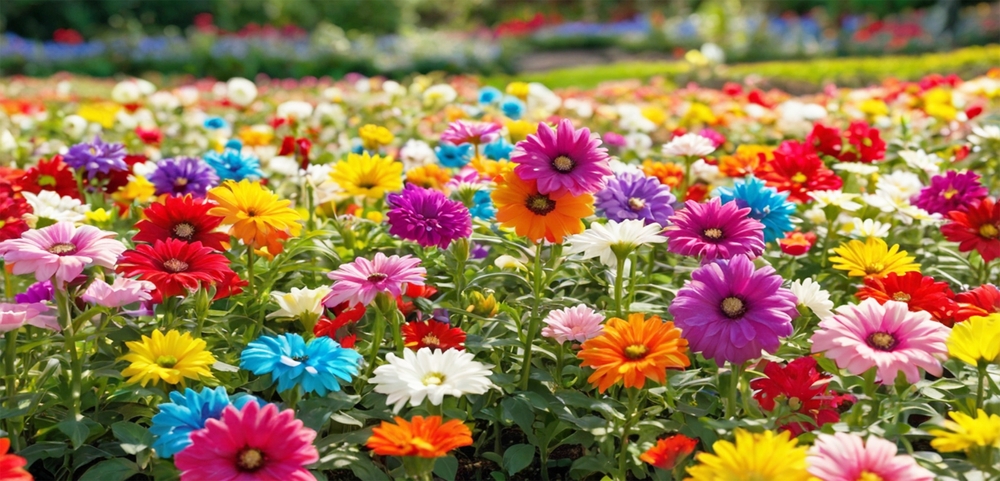
Native wildflower gardens are popping up in front yards, side strips, and even once-plain suburban lawns at a surprising pace. Bright bursts of coneflowers, black-eyed Susans, and milkweed are replacing neatly clipped turf in places that used to look identical from house to house. This shift is not just about aesthetics because it connects deeply to water savings, pollinator support, and easier yard upkeep.
Homeowners are rethinking what a “finished” yard looks like, and they are leaning toward landscapes that feel alive instead of controlled. The result is a movement that blends beauty with purpose in a way that feels fresh and exciting.
Why Neighborhoods Are Trading Turf For Wild Color
Many neighborhoods now feature at least one yard that breaks away from the standard grass template and embraces native blooms. This change often starts with curiosity sparked by a neighbor’s yard that looks both wild and intentional at the same time. People notice how these gardens shift through the seasons without demanding constant mowing or chemical treatments. The contrast against traditional lawns makes them stand out like living artwork.
Homeowners also appreciate how these spaces reduce the pressure to maintain perfection every weekend. Instead of chasing uniform grass height, gardeners focus on planting diversity that supports local ecosystems. Conversations at fence lines often turn into seed swaps and plant recommendations, which spreads the trend even faster. What once looked unconventional now feels like a smart and creative choice.
What Makes Native Wildflowers Different From Standard Landscaping
Native wildflowers grow naturally in specific regions, which means they already know how to handle local weather, soil, and pests. This gives them a practical advantage over ornamental imports that often demand extra watering and care. Plants like lupine, goldenrod, and prairie clover evolved alongside local insects and birds, which creates strong ecological relationships. That connection helps gardens feel more balanced and self-sustaining over time.
Traditional lawns rely heavily on mowing cycles and consistent watering to stay uniform and green. Wildflower gardens, on the other hand, embrace variation in height, color, and bloom timing. That variation creates movement and visual interest that changes week by week instead of staying static. The shift feels less like maintaining a surface and more like collaborating with nature.
How Gardeners Build These Colorful, Low-Effort Landscapes
Most native wildflower gardens start with a simple plan that removes sections of turf and replaces them with seed mixes or starter plants. Gardeners often prepare soil lightly instead of overworking it, since many native species prefer natural conditions. They choose plant combinations that bloom at different times to keep color cycling through spring, summer, and fall. This layered approach prevents the garden from ever feeling empty or dull.
Many homeowners also add pathways, stone borders, or small focal points to guide the eye through the space. These design touches help the garden feel intentional rather than overgrown. Watering needs usually drop after the first establishment period, which frees up time for other yard projects. Over time, the garden fills in naturally and develops its own rhythm.
Environmental Perks That Show Up Right In The Yard
Native wildflower gardens create immediate benefits for pollinators that rely on consistent nectar sources throughout the growing season. Bees and butterflies often appear within days of blooms opening, turning the yard into a lively hub of activity. Birds also benefit from seeds and insects that these plants attract, which adds sound and movement to the space. The garden quickly becomes a small ecosystem instead of just decoration.
These landscapes also help manage water more efficiently because native plants adapt to local rainfall patterns. Deep root systems improve soil structure and reduce runoff during heavy rain. Homeowners often notice fewer dry patches and less need for constant irrigation. The yard starts working with the weather instead of fighting against it.
A Garden Style That Keeps Gaining Ground
Native wildflower gardens continue to spread because they offer something rare in landscaping, beauty that feels both effortless and meaningful. People enjoy stepping outside and seeing change unfold naturally instead of maintaining strict uniformity. These gardens encourage experimentation, which makes each yard feel personal and distinct. As more neighbors adopt the style, entire streets begin to feel like shared pollinator corridors.
What do you think would change first in a neighborhood if more yards switched to native wildflowers?
You May Also Like…
10 Flowers That Bloom Even During Extreme Heat
8 Heat-Tolerant Flowers That Bloom All Summer Long
6 Wildflowers to Scatter Before the Snow Comes
Transform Your Yard Into a Pollinator Paradise With These Budget-Friendly Wildflowers
Why Some States Are Now Paying Homeowners to Plant Native Wildflowers

Brandon Marcus is a staff writer for FrugalGardening.com at District Media, Inc., where he delivers practical gardening advice with a relatable, no-nonsense style. An avid amateur gardener, he holds a BA degree and with over ten years of professional writing experience, he is also an award-winning published author whose first book, Questions For Deep Thinkers, was released by Adams Media. His work has appeared in major publications including Fandom.com, CHUD.com, TheColdWire.com, and Fansided.com.
Leave a Reply