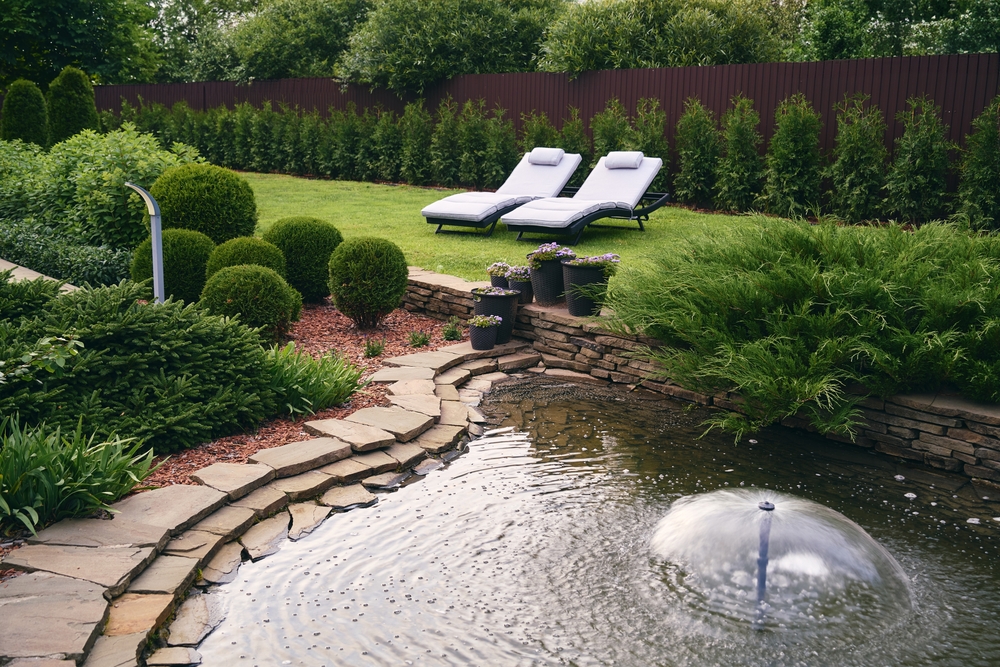
Backyards have shifted from purely decorative spaces into functional outdoor living zones where comfort, simplicity, and low maintenance matter more than ever. Many homeowners now look for yards that support relaxation, entertaining, and easy upkeep rather than flashy or high-effort installations. As design tastes evolve, some once-loved backyard features now feel dated or impractical in modern landscapes.
What used to signal luxury or creativity can now feel like extra work or wasted space. This shift reflects a broader move toward cleaner designs, native planting, and multipurpose outdoor areas.
1. Ornamental Fountains That Demand Constant Care
Ornamental fountains once served as the centerpiece of many backyards, but they now lose favor due to their upkeep demands. Homeowners often grow tired of cleaning algae, replacing pumps, and dealing with hard water buildup. These water features also consume electricity and require seasonal maintenance that adds unnecessary chores.
Many modern yards replace them with natural stone basins or dry landscape elements that bring texture without the hassle. Designers now favor calm, quiet water accents that do not dominate the space. The focus has shifted from spectacle to simplicity, making fountains feel less practical in everyday outdoor living.
2. Overbuilt Outdoor Kitchens That Rarely Get Used
Massive outdoor kitchens once symbolized backyard luxury, but many now sit unused after the initial excitement fades. These setups often include full ovens, multiple burners, and oversized counters that require frequent cleaning and protection from the elements. Weather exposure can damage appliances, and repairs often cost more than expected.
Homeowners increasingly prefer compact grilling stations that handle basic cooking without overwhelming the yard. This change reflects a growing preference for flexible outdoor spaces rather than permanent cooking installations. Simplicity now wins over complexity in most modern backyard designs.
3. Artificial Turf in Hot, Exposed Spaces
Artificial turf gained popularity for its promise of a low-maintenance green lawn, but it has started losing appeal in many regions. Hot summer temperatures can make synthetic grass uncomfortable to walk on and unpleasant for pets or children. Over time, turf can also fade, flatten, and trap odors that require deep cleaning. Many homeowners now return to natural grass varieties or replace turf with drought-tolerant ground covers. These alternatives offer better cooling, softer texture, and a more natural look throughout the year. The shift highlights a renewed appreciation for living, breathing landscapes.
4. Excessively Themed Garden Décor
Highly themed gardens once brought personality to outdoor spaces, but they often feel cluttered and outdated today. Items like oversized gnomes, overly bright ornaments, and mismatched décor can overwhelm a carefully designed yard. Modern landscaping favors subtle accents that blend with plants rather than compete with them. Homeowners now lean toward natural materials like wood, stone, and muted metals for a more cohesive look. This approach creates a calmer atmosphere that feels intentional rather than busy. The trend shows that restraint often enhances outdoor beauty more than excess.
5. Tall Privacy Walls That Create a Closed-Off Feel
Tall privacy walls used to offer a sense of security, but they now often make backyards feel boxed in and unwelcoming. Solid barriers can block airflow, limit natural light, and reduce the sense of openness that many homeowners want. Newer designs favor layered privacy using hedges, fencing, and partial screens instead of solid walls.
These softer boundaries maintain privacy while still keeping the space connected to nature. Outdoor living now prioritizes balance between openness and seclusion. The result creates yards that feel more inviting and breathable.
6. High-Maintenance Water Gardens and Ponds
Water gardens and koi ponds once represented tranquility, but they now fall out of favor due to ongoing maintenance challenges. Owners often deal with algae growth, filtration issues, and seasonal cleaning that demands time and effort. Ponds also attract insects and require careful balancing to keep aquatic life healthy. Many homeowners now choose simpler water features like recirculating stone streams or small bubbling rocks. These alternatives deliver soothing sound without the constant upkeep. The shift reflects a desire for relaxation without added responsibility.
7. Overly Complex Hardscaping Patterns
Intricate paving designs and overly detailed stonework once showcased craftsmanship, but they now feel visually heavy in modern yards. Busy patterns can overwhelm smaller outdoor spaces and make cleaning more difficult. Designers now favor clean lines, larger stone slabs, and simpler layouts that create visual calm.
These streamlined choices also make outdoor areas feel larger and more functional. Homeowners increasingly value flow and usability over decorative complexity. The trend reflects a broader move toward minimal yet intentional outdoor design.
8. Outdoor Carpeting and Fabric Rugs in Exposed Areas
Outdoor rugs and carpeting once helped define seating areas, but many now struggle with weather exposure and wear. Rain, sun, and dirt quickly break down fibers and create constant cleaning demands. Mold and fading often shorten their lifespan, especially in uncovered spaces.
Many homeowners now replace them with textured stone patios or composite decking that requires less maintenance. These alternatives still define gathering spaces without the upkeep of fabric materials. The shift shows a preference for durability and long-term practicality.
A Backyard Shift Toward Simplicity and Purpose
Backyard design now moves toward cleaner layouts, lower maintenance features, and natural materials that support everyday living. Homeowners increasingly step away from high-effort installations that demand constant attention or limit flexibility. This shift encourages outdoor spaces that feel comfortable, functional, and easy to enjoy year-round. Even small design changes can dramatically improve how a yard looks and performs. Outdoor living continues evolving toward spaces that prioritize calm, usability, and long-term value.
What backyard feature do you think deserves a comeback, and which one feels ready to disappear for good?
You May Also Like…
8 Plants That Help Create Natural Backyard Shade
Why Backyard Chickens and Gardening Are Becoming the Ultimate Frugal Combo
10 Backyard Bugs You Never Want to Ignore
The New Backyard Trend That’s Helping Families Save Money on Groceries
10 Cheap Backyard Ideas That Look Surprisingly Expensive

Brandon Marcus is a staff writer for FrugalGardening.com at District Media, Inc., where he delivers practical gardening advice with a relatable, no-nonsense style. An avid amateur gardener, he holds a BA degree and with over ten years of professional writing experience, he is also an award-winning published author whose first book, Questions For Deep Thinkers, was released by Adams Media. His work has appeared in major publications including Fandom.com, CHUD.com, TheColdWire.com, and Fansided.com.
Leave a Reply