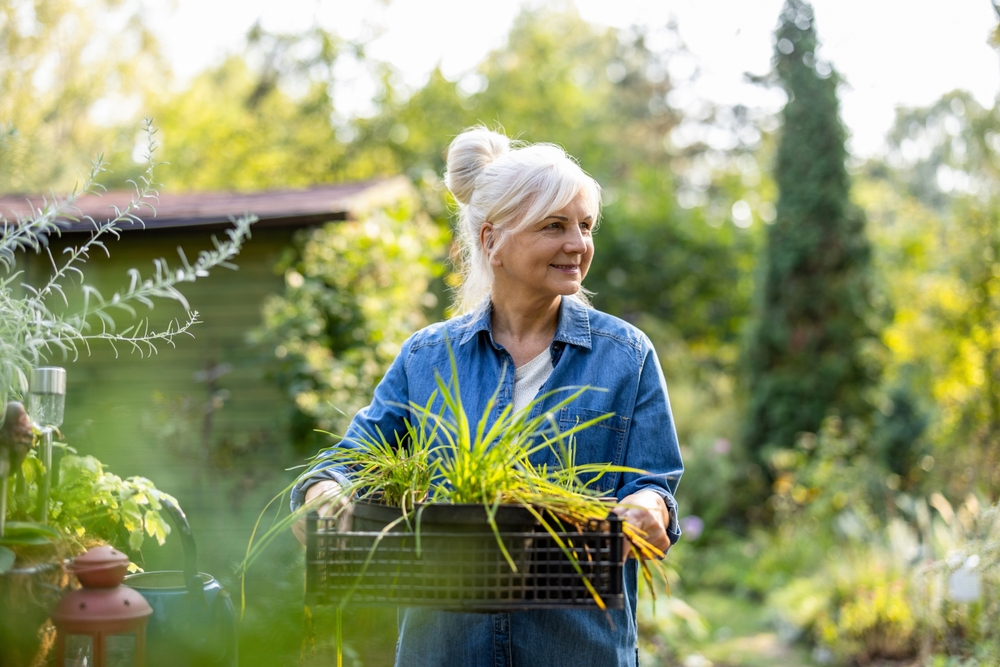
Retirement often reshapes daily life in unexpected ways, and garden spaces sit right at the center of those changes. Many retirees now trade sprawling yards for compact, manageable garden designs that fit their new routines. This shift does not signal a loss of passion for plants; instead, it reflects a smarter approach to time, energy, and resources. Smaller gardens often deliver more enjoyment because they remove the stress of constant upkeep.
A carefully planned space can still burst with color, fragrance, and productivity without demanding hours of labor every week. Gardeners in this stage of life increasingly focus on quality over quantity, and that mindset transforms how outdoor spaces look and function.
Retirement Brings New Priorities for Outdoor Spaces
Retirement changes how people spend their days, and that shift often reduces the time available for large-scale gardening projects. Many retirees choose to simplify their routines so they can spend more time traveling, socializing, or relaxing. Large gardens demand consistent mowing, pruning, and weeding that can feel overwhelming when energy levels change. Smaller plots allow gardeners to stay connected to nature without turning every weekend into a maintenance marathon. This shift reflects a growing desire to match outdoor spaces with a more flexible and enjoyable lifestyle.
The change also reflects a stronger focus on convenience and accessibility in daily living. Retirees often redesign their gardens to reduce bending, lifting, and repetitive strain. Raised beds, container gardens, and compact layouts replace long rows of labor-intensive planting areas. These changes help gardeners continue their hobby without physical strain becoming a barrier. The result creates outdoor spaces that feel welcoming, not exhausting, every time someone steps outside.
Physical Demands Drive Smarter Garden Choices
Physical comfort plays a major role in why many retirees reduce the size of their gardens. Tasks like digging, hauling soil, and edging long borders place stress on joints and muscles over time. Even experienced gardeners begin to notice how these chores take longer to recover from than they once did. Smaller gardens reduce the workload while still offering meaningful interaction with plants and soil. This adjustment helps preserve both health and enjoyment in the long run.
Gardeners also adapt by selecting plants that require less frequent intervention and care. Perennials replace high-maintenance annual beds, and drought-resistant varieties reduce watering demands. Smart plant selection helps eliminate repetitive tasks that once filled entire afternoons. Retirees increasingly design gardens that practically maintain themselves with minimal intervention. This shift allows energy to go toward enjoyment instead of constant upkeep.
Rising Costs and Climate Pressures Shape Garden Size
Water bills and maintenance costs influence garden decisions more than ever before. Large lawns and ornamental beds often require significant irrigation, especially during hotter summers. Retirees on fixed incomes often feel these expenses more sharply than working households. Smaller gardens reduce water usage and lower fertilizer and equipment costs. Financial practicality often drives the decision just as much as physical convenience.
Climate changes also affect how gardens perform throughout the year. Extended dry periods, unpredictable frost dates, and extreme weather events challenge traditional landscaping approaches. Many retirees respond by downsizing and selecting resilient plants that handle variable conditions better. Compact gardens allow better control over soil quality and water distribution. These changes help create outdoor spaces that remain stable and manageable despite shifting environmental conditions.
Modern Garden Design Encourages Smaller, Smarter Spaces
Contemporary landscaping trends increasingly favor efficiency and structure over sheer size. Designers now emphasize layered planting, vertical gardens, and multifunctional outdoor areas. Retirees often adopt these ideas to maximize visual impact within limited square footage. A smaller garden can still feature fruit trees, herbs, flowers, and seating areas without feeling crowded. Thoughtful design replaces excess space with intentional beauty.
Many retirees also embrace container gardening as a flexible solution for changing needs. Pots and raised beds allow plants to move easily based on sunlight, weather, or comfort. This approach reduces permanent labor commitments while still supporting creativity and variety. Gardens become modular spaces that evolve over time instead of fixed landscapes. That flexibility appeals strongly to gardeners seeking long-term sustainability.
Emotional Connections Remain Strong Despite Smaller Spaces
Downsizing a garden does not reduce emotional attachment to plants or outdoor spaces. Many retirees carry decades of memories tied to specific flowers, trees, or garden layouts. Instead of removing those connections, smaller gardens preserve them in more intentional ways. Each plant earns its place, and every corner serves a purpose. This careful selection often deepens appreciation for the remaining space.
Retirees also find that smaller gardens create more frequent moments of enjoyment rather than long periods of exhausting work. Sitting areas, bird-friendly plantings, and sensory gardens become focal points for relaxation. These spaces encourage daily interaction instead of seasonal overhaul projects. Gardening shifts from a labor-intensive task to a calming lifestyle habit. That change often strengthens the emotional bond with nature rather than weakening it.
A Smarter, More Enjoyable Way to Garden in Retirement
Retirees increasingly choose garden downsizing because it aligns with real-life changes in energy, budget, and lifestyle goals. Smaller gardens reduce physical strain, lower costs, and respond better to environmental challenges. Thoughtful design ensures that beauty and productivity remain central even in compact spaces. This shift does not mark the end of gardening ambition; it highlights a more intentional approach to outdoor living. The modern retiree garden focuses on enjoyment, sustainability, and long-term comfort rather than size alone.
What changes would make a garden feel more enjoyable and manageable in your retirement? Let’s chat about this below in our comments.
You May Also Like…
The Backyard Gardening Trend Taking Over Small Suburbs
7 Tools That Help Seniors Stay In Their Gardens Longer
7 Backyard Upgrades That Can Make Your Home Feel More Private
How to Repair Garden Tools Instead of Replacing Them
The Summer Gardening Shortcut Retirees Say Saves Them Hours Every Week

Brandon Marcus is a staff writer for FrugalGardening.com at District Media, Inc., where he delivers practical gardening advice with a relatable, no-nonsense style. An avid amateur gardener, he holds a BA degree and with over ten years of professional writing experience, he is also an award-winning published author whose first book, Questions For Deep Thinkers, was released by Adams Media. His work has appeared in major publications including Fandom.com, CHUD.com, TheColdWire.com, and Fansided.com.
Leave a Reply