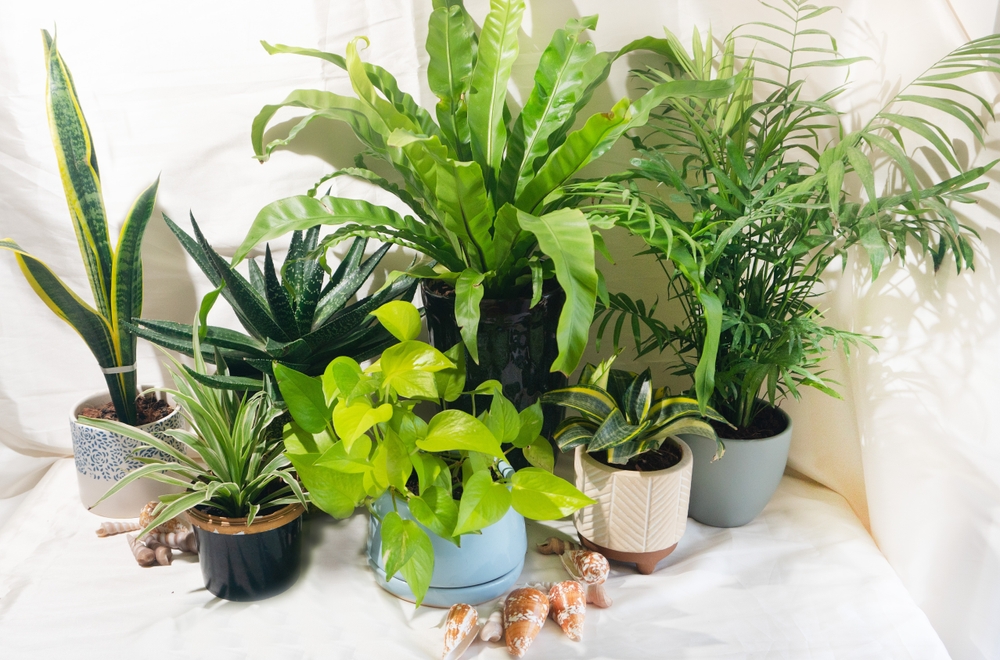
Gardening does not need to feel like a full-time job or a complicated science experiment. Some plants actually prefer a hands-off approach and reward neglect with steady growth and beauty. These forgiving green companions handle inconsistent watering, lower light, and unpredictable schedules with surprising grace. Busy households, new plant parents, and forgetful waterers all benefit from choosing plants that stay strong without constant attention. The following plants bring color, texture, and life into a home without demanding daily care rituals.
Choosing the right plants changes everything about indoor gardening success. Low-maintenance varieties reduce stress and still deliver visual impact in living rooms, kitchens, and offices. Many of these plants also improve indoor air quality and adapt to a wide range of environments. Instead of fighting nature, these plants work with it and quietly settle into routines that suit modern lifestyles.
1. Snake Plant Stands Tall With Minimal Effort
Snake plants tolerate long gaps between watering and still keep their upright, architectural leaves looking sharp. They handle low light corners and bright indirect light without complaint, making placement simple. Thick, waxy leaves store moisture, which allows the plant to survive dry indoor air and occasional neglect. Overwatering causes more harm than neglect, so dry soil actually benefits this plant more than constant attention. Many households use snake plants in bedrooms because they continue releasing oxygen at night.
This plant adapts to many conditions, which makes it ideal for beginners who want predictable results. Dusting the leaves occasionally keeps them looking polished and healthy without requiring much effort. Snake plants also resist most pests, which reduces the need for treatments or inspections. A well-draining pot prevents root issues and keeps growth steady over time. This plant rewards restraint more than constant care, which surprises many new gardeners.
2. Pothos Brings Lush Vines Without Demands
Pothos grows long, trailing vines that brighten shelves, desks, and hanging baskets with little effort. It tolerates low light, fluorescent lighting, and bright indirect sun, adapting quickly to most indoor spaces. The plant signals thirst by slightly drooping, which makes watering decisions easy and intuitive. Even after occasional neglect, pothos rebounds quickly and continues producing new leaves. Its fast growth creates a full, vibrant look without complicated feeding schedules.
This plant also propagates easily in water, which lets gardeners expand their collection without buying new plants. Cutting a vine and placing it in a jar leads to quick root development and fresh growth. Pothos forgives irregular watering patterns and still maintains healthy coloration in most environments. Variegated varieties add visual interest with minimal extra effort. This plant fits perfectly into busy lifestyles that still crave greenery.
3. ZZ Plant Handles Neglect Like a Champion
ZZ plants store water in their thick rhizomes, which allows them to survive long dry spells without stress. Glossy, dark green leaves reflect light and create a polished look in offices and homes. This plant tolerates low light conditions better than many common houseplants, which expands placement options. Watering only becomes necessary when the soil dries completely, making care routines extremely simple. Overwatering creates more problems than underwatering for this resilient plant.
ZZ plants also resist pests and diseases, which keeps maintenance tasks minimal. The plant grows slowly, so repotting stays infrequent and hassle-free. Even in neglected corners, it maintains its structured shape and attractive appearance. Its durability makes it a favorite for people who want greenery without ongoing upkeep. ZZ plants consistently deliver style without demanding attention.
4. Spider Plant Produces Babies Without Fuss
Spider plants grow arching leaves that create a fountain-like appearance in hanging containers. They produce small plantlets, often called “babies,” that form naturally along long stems. These plantlets root easily, allowing gardeners to expand their collection effortlessly. The plant adapts to different lighting conditions and tolerates occasional drying of soil. It also responds well to basic care without requiring special treatment or fertilizers.
Spider plants help improve indoor air quality, which adds practical value beyond aesthetics. They recover quickly from neglect and continue producing new growth throughout the year. Brown leaf tips may appear occasionally, but trimming them restores a clean look. This plant thrives in kitchens, bathrooms, and living rooms with equal flexibility. Its easy propagation makes it one of the most rewarding beginner plants.
5. Aloe Vera Stores Its Own Water Supply
Aloe vera holds moisture in its thick, spiky leaves, which allows it to survive dry conditions with ease. Bright, indirect sunlight keeps it healthy, though it tolerates less-than-perfect lighting for long periods. This plant requires infrequent watering, especially during cooler months when growth slows. Overwatering leads to root problems, so dry soil creates a safer environment for it. Aloe vera also offers soothing gel that many people use for minor skin irritation.
This plant grows well in small pots and does not require frequent repotting. It prefers well-draining soil that mimics desert-like conditions. Aloe vera produces offsets, which allow easy propagation and expansion. Its compact size makes it perfect for windowsills and small spaces. This plant combines practicality and resilience in a simple package.
6. Succulents Survive on Minimal Care
Succulents store water in their thick leaves, which helps them endure long dry periods. They prefer bright light and warm environments but adjust to indoor settings with ease. Watering only needs to happen when soil becomes completely dry, which reduces maintenance schedules. Their wide variety of shapes and colors creates visual interest in small arrangements. Many people group multiple succulents together to form decorative displays.
These plants struggle more with overwatering than neglect, so less attention often produces better results. Proper drainage prevents root rot and keeps growth stable over time. Succulents rarely require pruning, which keeps care routines simple. They work well in decorative pots, terrariums, and desk displays. Their resilience makes them ideal for busy or travel-heavy lifestyles.
7. Peace Lily Signals Exactly What It Needs
Peace lilies show clear visual cues when they need water by drooping slightly, which simplifies care decisions. Once watered, the leaves quickly perk back up, creating instant feedback for plant owners. This plant tolerates low light and still produces elegant white blooms indoors. It prefers consistent but not excessive watering, which makes it manageable for beginners. Peace lilies also help filter indoor air, adding functional benefits.
The plant adapts to home environments and office settings with equal ease. Yellowing leaves often signal overwatering, which helps owners adjust routines quickly. Regular wiping of leaves improves their shine and keeps them looking healthy. Peace lilies respond well to neglect recovery and bounce back with proper hydration. Their dramatic visual changes make them both educational and rewarding to grow.
8. Cast Iron Plant Lives Up to Its Name
The cast iron plant earns its name by surviving low light, irregular watering, and temperature fluctuations. Its dark green leaves grow slowly but maintain a strong, consistent appearance year-round. This plant tolerates dusty corners and shaded hallways where other plants struggle. It requires very little pruning or maintenance, which makes it extremely reliable. Many gardeners choose it for spaces that receive minimal natural light.
This plant handles indoor neglect better than most common houseplants. It grows slowly, which reduces the need for frequent repotting or adjustments. Occasional watering keeps it healthy without creating strict schedules. Its durability makes it ideal for offices, entryways, and low-traffic rooms. The cast iron plant delivers steady greenery without demanding attention.
The Real Secret Behind Effortless Indoor Gardening
Low-maintenance plants succeed because they adapt to real-life conditions instead of demanding perfect environments. Each plant in this list stores water, tolerates low light, or recovers quickly from missed care routines. These traits reduce stress for plant owners and increase long-term success rates. Smart plant selection matters more than complicated watering schedules or expensive tools. Consistency helps, but resilience matters even more when building a green indoor space.
What low-maintenance plant has surprised you the most with its resilience in your home? Give us your opinions and stories below in the comments.
You May Also Like…
8 Plants That Can Help Keep Ticks Away From Your Yard
7 Signs Your Tomato Plants Are in Serious Trouble
8 Fruits You Should Never Plant Too Close Together
7 Backyard Plants Snakes Love to Hide Around
Stop Buying These Plants if You Want More Pollinators

Brandon Marcus is a staff writer for FrugalGardening.com at District Media, Inc., where he delivers practical gardening advice with a relatable, no-nonsense style. An avid amateur gardener, he holds a BA degree and with over ten years of professional writing experience, he is also an award-winning published author whose first book, Questions For Deep Thinkers, was released by Adams Media. His work has appeared in major publications including Fandom.com, CHUD.com, TheColdWire.com, and Fansided.com.
Leave a Reply