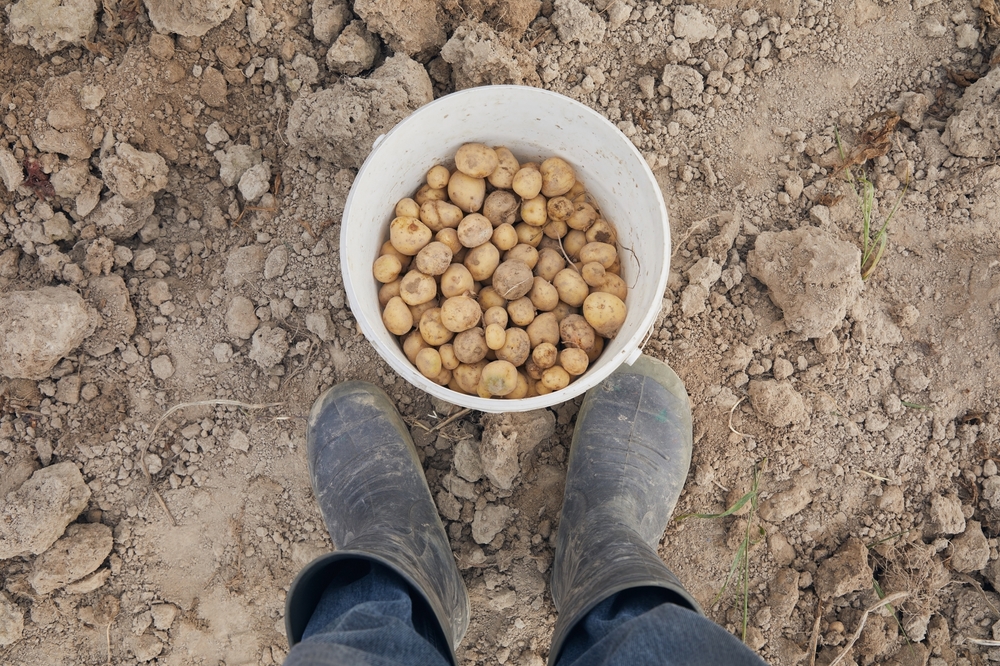
Potatoes are quietly staging a comeback in backyards, patios, and even balcony containers across the United States, and the reasons reach far beyond nostalgia for old-fashioned gardening. Rising grocery prices, a growing interest in food independence, and the surprising ease of growing this crop all play a major role in the trend. Many households now see potatoes as one of the most practical vegetables to grow at home because they produce a generous harvest from just a few seed pieces.
Home gardeners appreciate how potatoes fit into almost any growing space, from traditional plots to large containers on patios and driveways. Families across suburban and urban areas now experiment with growing their own food in ways that feel manageable and rewarding. The appeal comes from more than just saving money, since growing potatoes also offers a hands-on connection to food that many people feel they lost in modern life. This crop rewards patience with abundance, and that combination continues to pull new gardeners into the soil every season.
A Humble Crop Makes a Big Comeback
Potatoes once stood as a staple in nearly every American garden, but many households gradually moved away from growing them as store-bought options became cheap and convenient. Today, that trend flips as people rediscover how productive and low-maintenance potatoes can be compared to more demanding vegetables. Gardeners enjoy the fact that a small planting area can yield a surprisingly large harvest, especially when soil conditions stay loose and nutrient-rich. This crop also adapts well to different climates, which makes it accessible to beginners and experienced growers alike. The comeback reflects a renewed appreciation for practical, reliable food sources that deliver real value.
Modern gardeners also enjoy experimenting with different potato varieties, from buttery Yukon Golds to hearty russets that bake beautifully. These options allow families to match flavor preferences with cooking styles, which adds another layer of excitement to the growing process. Seed potatoes, rather than grocery store potatoes, now dominate home planting because they reduce disease risks and improve yields. This simple upgrade helps new growers achieve better results right from the start. The result feels like rediscovering a classic crop with modern knowledge guiding the process.
Why Potato Prices and Grocery Bills Push Home Growing
Rising grocery costs continue to influence what families choose to grow at home, and potatoes stand out as one of the most cost-effective crops in this shift. A single bag of seed potatoes can produce many pounds of food, which helps stretch household budgets in meaningful ways. Shoppers notice how quickly potato prices fluctuate in stores, especially during supply chain disruptions or seasonal shortages. That unpredictability encourages many people to take control of at least part of their food supply. Growing potatoes at home turns a basic grocery item into a reliable backyard resource.
Households also appreciate how potatoes store well after harvest, which adds even more value to the effort of growing them. Properly cured potatoes last for months in cool, dark spaces, reducing trips to the store and limiting food waste. Families often compare the cost of a small gardening setup to repeated grocery purchases and quickly recognize the long-term savings. This practical math drives more interest in home gardening each year. Potatoes offer a simple answer to a very real economic concern, and that combination keeps them in high demand among new growers.
How Backyard and Container Gardens Make It Easy
Not every household has access to a large yard, but potatoes still fit comfortably into modern living spaces thanks to container gardening. Large buckets, grow bags, and raised beds allow people to cultivate potatoes on patios, balconies, and small urban lots without complicated setups. Gardeners appreciate how easy it becomes to control soil quality in containers, which often leads to healthier plants and cleaner harvests. This flexibility removes one of the biggest barriers to gardening and opens the door for beginners. Even renters now join the movement because containers travel easily and require minimal space.
Backyard gardeners also enjoy how potatoes naturally loosen soil as they grow, which improves conditions for future crops in traditional beds. Hilling soil around the plants encourages more tuber development, which increases yield without extra expense or equipment. Families often turn potato growing into a seasonal activity that involves kids and beginners, making it both educational and productive. The process stays simple enough to avoid frustration but engaging enough to keep people interested. This balance helps explain why potatoes fit so well into today’s gardening revival.
Simple Mistakes New Potato Growers Should Avoid
New potato growers often make the mistake of planting grocery store potatoes, which sometimes carry disease or sprout inconsistently compared to certified seed potatoes. Choosing healthy seed stock improves success rates and prevents unnecessary setbacks during the growing season. Another common issue involves planting too shallow, which exposes tubers to sunlight and causes greening that affects taste and safety. Gardeners improve results by maintaining consistent soil coverage and checking plants regularly as they grow. These small adjustments make a big difference in overall harvest quality.
Overwatering also creates problems because potatoes prefer moist but well-drained soil rather than constantly saturated conditions. Poor drainage can lead to rot, which quickly ruins an entire crop if left unchecked. Many beginners also forget to rotate planting areas, which increases the risk of pests and soil depletion over time. Experienced gardeners avoid these issues by planning simple crop rotations and monitoring soil health throughout the season. Learning these basics turns potato growing from a gamble into a dependable gardening success story.
A Small Tuber with a Big Payoff in American Gardens
Potatoes continue to earn their place in modern gardens because they combine simplicity, productivity, and versatility in one reliable crop. Families value how easily they adapt to different spaces, climates, and skill levels, which makes them one of the most accessible vegetables to grow. The harvest delivers not just food but also a sense of accomplishment that resonates with both new and experienced gardeners. This combination of practicality and reward explains why more Americans return to this classic crop each year. Potatoes prove that even simple plants can deliver impressive results when given basic care and attention.
What’s your take on growing potatoes at home: simple backyard experiment or smart long-term habit worth keeping?
You May Also Like…
It’s Not Too Late! Start Sweet Potatoes and Pumpkins Now With Money-Saving Tips
9 Flowers That Secretly Help Your Vegetable Garden Grow Better
7 Signs Your Tomato Plants Are in Serious Trouble
10 Vegetables You Can Still Plant This Summer for a Fall Harvest
10 Vegetables That Practically Grow Themselves

Brandon Marcus is a staff writer for FrugalGardening.com at District Media, Inc., where he delivers practical gardening advice with a relatable, no-nonsense style. An avid amateur gardener, he holds a BA degree and with over ten years of professional writing experience, he is also an award-winning published author whose first book, Questions For Deep Thinkers, was released by Adams Media. His work has appeared in major publications including Fandom.com, CHUD.com, TheColdWire.com, and Fansided.com.
Leave a Reply