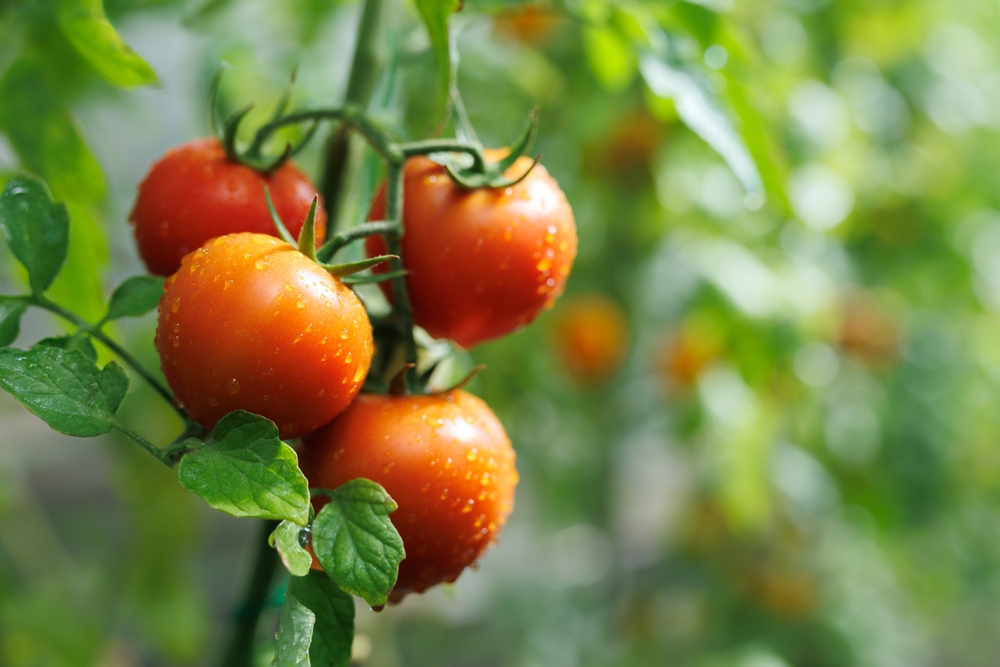
Tomato plants can look cheerful one day and alarmingly stressed the next, which catches many gardeners off guard. These garden favorites demand steady care, and even small mistakes can snowball into major problems fast. A sudden color shift, odd leaf shapes, or stalled growth often signal deeper trouble brewing beneath the surface.
Catching those signals early can make the difference between a healthy harvest and a disappointing season. Every gardener benefits from learning what these warning signs look like in real time. The good news: tomato plants send very clear distress messages when something goes wrong.
1. Leaves Turn Yellow Faster Than New Growth Appears
Yellowing leaves often signal that tomato plants struggle to absorb nutrients or manage water properly. The lower leaves usually show symptoms first, then the problem climbs upward if conditions stay unchanged. Overwatering, poor drainage, or nitrogen deficiency often drives this sudden color shift. Gardeners sometimes panic and add more fertilizer, which can worsen the imbalance instead of fixing it. Careful observation helps pinpoint whether soil, watering habits, or root stress causes the issue.
A quick soil check often reveals whether moisture levels stay too high for healthy root function. If the soil feels soggy hours after watering, roots may start suffocating and triggering yellow leaves. Adjusting watering frequency and improving drainage usually stabilizes the plant within days. Removing the most damaged leaves also helps redirect energy toward healthier growth. Consistency in care plays a major role in reversing this early warning sign.
2. Leaves Curl Upward or Inward
Leaf curling often signals environmental stress rather than disease, but it still demands attention. Heat waves, inconsistent watering, or root disturbance can all trigger this protective response. Tomato plants curl their leaves to reduce moisture loss during extreme conditions. Gardeners sometimes overlook this symptom until it spreads across the entire plant. Quick correction helps prevent long-term damage to fruit production.
Watering deeply but less frequently often reduces stress and helps leaves return to normal shape. Excess nitrogen from overfertilization can also push leaves into unnatural curling patterns. Wind exposure or transplant shock may intensify the problem in young plants. Providing shade during peak heat hours often stabilizes the plant faster than any fertilizer adjustment. Monitoring daily changes gives clear clues about the underlying cause.
3. Flowers Drop Before Fruit Sets
Flower drop signals that tomato plants cannot support fruit development at that moment. Temperature swings often trigger this issue, especially when nights stay too cool or days become extremely hot. Pollination problems can also prevent flowers from forming fruit properly. Stress from inconsistent watering adds another layer of difficulty for developing blossoms. This stage directly affects harvest potential, making early action essential.
Gentle shaking of plants during flowering can improve pollination in gardens with limited pollinators. Maintaining stable soil moisture helps flowers stay attached long enough for fruit formation. Excess nitrogen often pushes leafy growth instead of supporting blooms. Removing environmental stressors quickly restores balance and improves fruit set chances. Watching flower behavior closely reveals how well the plant handles its environment.
4. Stunted Growth Despite Proper Sunlight
Stunted growth often confuses gardeners because tomato plants receive everything they seem to need. Poor root development, compacted soil, or hidden nutrient deficiencies usually cause this slowdown. Plants may stay small even while producing healthy-looking leaves. This mismatch between appearance and growth rate signals internal stress. Ignoring it can limit the entire season’s yield.
Loosening soil around the root zone improves oxygen flow and supports stronger development. Adding compost can restore missing nutrients without overwhelming the plant. Root-bound seedlings often need transplanting into larger spaces to regain momentum. Consistent watering schedules help stabilize internal plant processes. Growth should resume once roots regain healthy access to air, water, and nutrients.
5. Dark Spots Spread Across Leaves
Dark spots often indicate fungal or bacterial infections developing on tomato foliage. Humid conditions and poor airflow create perfect environments for these issues. Spots may start small but quickly expand across multiple leaves. Left unchecked, the plant loses its ability to photosynthesize effectively. Early detection makes treatment far more successful.
Removing affected leaves reduces spread and improves air circulation around the plant. Watering at soil level instead of overhead helps prevent further infection. Spacing plants properly allows leaves to dry faster after rain or irrigation. Organic fungicides may help slow progression in moderate cases. Consistent garden hygiene plays a major role in preventing recurrence.
6. Wilting Even When Soil Feels Moist
Wilting despite moist soil often signals root damage or disease rather than dehydration. Root rot frequently develops when water sits too long around the root zone. Plants lose their ability to transport water effectively, even when moisture remains present. This symptom often appears suddenly and worsens quickly. Immediate investigation prevents total plant collapse.
Checking root health reveals whether decay or pests cause the problem. Improving drainage often helps stabilize conditions for surviving roots. Removing severely affected plants may protect nearby tomatoes from spreading disease. Raised beds or containers often solve recurring drainage issues. Fast action gives the plant its best chance of recovery.
7. Fruit Develops Unevenly or Cracks Early
Uneven or cracked fruit signals inconsistent watering patterns during development. Rapid changes between dry and wet soil cause tomato skins to expand too quickly. Nutrient imbalances can also affect fruit shape and texture. Sun exposure sometimes intensifies surface damage during peak heat. These visual flaws often hint at deeper care inconsistencies.
Maintaining steady watering routines prevents sudden expansion in fruit tissue. Mulching around the base helps regulate soil moisture throughout the day. Harvesting at the right stage reduces stress on heavily loaded branches. Balanced fertilization supports smoother fruit development over time. Stable care practices produce healthier, more uniform tomatoes.
What These Warning Signs Reveal About Tomato Plant Health
Each of these warning signs points to an imbalance in water, nutrients, or environmental conditions. Tomato plants respond quickly to stress, which makes early observation incredibly valuable. Gardeners who adjust care routines at the first hint of trouble often rescue their entire crop. Small corrections like improving airflow or stabilizing watering schedules create big improvements over time. Paying attention to these signals builds stronger, more reliable harvests season after season.
What signs have appeared in your own tomato garden, and how did the plants respond?
You May Also Like…
Why Your Tomatoes Look Healthy But Produce Almost No Fruit
10 Vegetables That Actually Thrive During Brutal Heat Waves
10 Vegetables That Practically Grow Themselves
The 7 Most Heat-Tolerant Plants for Busy Gardeners
The Summer Gardening Shortcut Retirees Say Saves Them Hours Every Week

Brandon Marcus is a staff writer for FrugalGardening.com at District Media, Inc., where he delivers practical gardening advice with a relatable, no-nonsense style. An avid amateur gardener, he holds a BA degree and with over ten years of professional writing experience, he is also an award-winning published author whose first book, Questions For Deep Thinkers, was released by Adams Media. His work has appeared in major publications including Fandom.com, CHUD.com, TheColdWire.com, and Fansided.com.
Leave a Reply