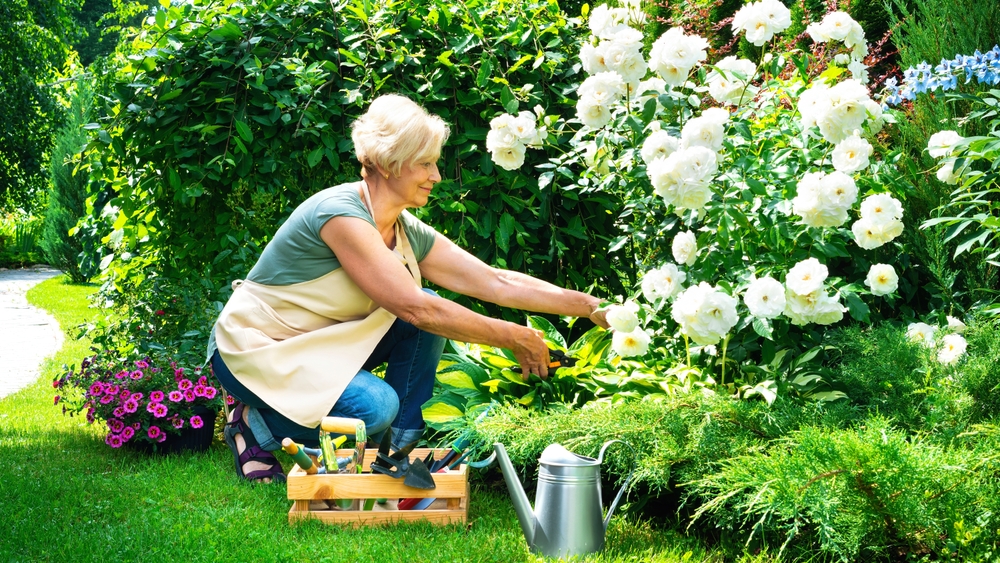
Summer gardens can feel like a beautiful full-time job disguised as a hobby. Between constant watering, fast-growing weeds, and plants that seem to double in size overnight, many gardeners spend more time maintaining than enjoying. Yet a growing number of retirees have quietly adopted a simple shortcut that changes everything about summer garden care. This approach focuses on reducing repetitive chores instead of working harder each day. The result creates more time for relaxing in the shade while still enjoying lush, productive beds. It also helps gardens stay healthier during heat waves and unpredictable dry spells.
This shortcut does not rely on expensive gadgets or complicated systems. Instead, it combines a few smart, strategic techniques that work together like a well-trained team. Gardeners who use it often report cutting their weekly garden workload in half during peak summer months. Plants also respond better because they receive consistent moisture and protection from harsh sun exposure. The best part comes from how quickly the system pays off once set up, often within a single weekend of effort.
The Foundation Starts with Smart Mulching That Works Like a Time-Saver Blanket
Mulch acts like a protective shield that locks in moisture and blocks sunlight from reaching weed seeds. Retirees often call it their “silent helper” because it keeps working without constant attention. A thick layer of organic mulch such as shredded bark, straw, or leaf mold reduces evaporation during hot afternoons. It also keeps soil temperatures more stable, which helps roots avoid stress during heat spikes. Many gardeners notice fewer weeds within just a week of applying it properly.
The key lies in applying mulch at the right depth and refreshing it as needed throughout the summer. A layer of about two to four inches usually works best for most vegetable and flower beds. Too thin a layer allows weeds to break through, while too thick a layer can trap too much moisture. Experienced gardeners often combine mulch with light hand-weeding beforehand to maximize its effect. This simple step alone can save hours of repetitive yard work every week.
Drip Irrigation Turns Watering from a Chore into a Set-and-Forget System
Drip irrigation systems deliver water directly to the base of plants, where roots can absorb it efficiently. Retirees appreciate how this method eliminates the need to drag hoses around the yard every morning or evening. The system releases water slowly, which reduces runoff and keeps soil evenly moist for longer periods. Plants grow more consistently because they avoid the stress of drying out between waterings. Even during heat waves, gardens stay stable without constant monitoring.
Installing a basic drip system requires minimal tools and a small upfront effort. Many systems connect directly to a standard outdoor faucet and use adjustable tubing that fits different garden layouts. Once set, gardeners can fine-tune timers to match seasonal needs and rainfall patterns. This approach also helps reduce water bills, which becomes especially important during long, dry summers. Over time, the system pays for itself in both time savings and reduced resource use.
Plant Grouping Strategy That Reduces Work and Boosts Growth Naturally
Smart gardeners avoid scattering plants randomly across the yard and instead group them based on water and sunlight needs. This technique allows watering schedules to become more efficient and targeted. Retirees often arrange high-water plants together so they can receive irrigation at the same time without wasting resources. Herbs and drought-tolerant flowers typically form another group that requires far less attention. This structure simplifies maintenance and reduces confusion during busy gardening days.
Grouping plants also improves pest control and encourages healthier growth patterns. Certain plants naturally support each other by repelling insects or providing shade to sensitive roots. For example, tall plants can protect smaller ones from harsh midday sun. This arrangement reduces the need for chemical treatments and constant intervention. Once established, the garden begins to function more like a balanced ecosystem than a collection of separate plants.
Weed Barriers and Succession Planting That Keep the Garden Working Smarter, Not Harder
Weed barriers such as landscape fabric or cardboard layers placed under mulch stop unwanted growth before it starts. Retirees often use these barriers in pathways and under heavy-feeding crops to reduce constant pulling and digging. This approach significantly lowers the time spent bending and weeding during the hottest part of the season. It also helps soil retain nutrients by preventing aggressive weeds from stealing resources. Over time, garden beds become easier to manage with far less physical strain.
Succession planting keeps the garden productive without overwhelming maintenance demands. Instead of planting everything at once, gardeners stagger plantings every few weeks. This creates a steady harvest rather than a sudden rush of produce that demands immediate attention. It also prevents overcrowding, which reduces disease and pest pressure. Combined with weed barriers, this strategy creates a steady, controlled rhythm that keeps the garden efficient all summer long.
The Secret Behind a Low-Stress Summer Garden Routine
The true power of this gardening shortcut comes from combining all these methods into one simple system. Mulch protects soil, drip irrigation manages water, plant grouping organizes space, and weed barriers reduce unwanted growth. Together, these techniques remove the most time-consuming parts of summer gardening. Retirees who adopt this approach often describe their gardens as easier to enjoy and less exhausting to maintain. The garden still produces abundantly, but without the constant demand for attention.
What small change would make your summer garden easier to manage this year?
You May Also Like…
It’s Not Too Late! Start Sweet Potatoes and Pumpkins Now With Money-Saving Tips
Stop Buying These Plants if You Want More Pollinators
8 Plants That Secretly Make Your Backyard Feel 10 Degrees Cooler
What Experienced Gardeners Wish They Knew Their First Year
The Backyard Gardening Trend That’s Exploding Across America This Summer

Brandon Marcus is a staff writer for FrugalGardening.com at District Media, Inc., where he delivers practical gardening advice with a relatable, no-nonsense style. An avid amateur gardener, he holds a BA degree and with over ten years of professional writing experience, he is also an award-winning published author whose first book, Questions For Deep Thinkers, was released by Adams Media. His work has appeared in major publications including Fandom.com, CHUD.com, TheColdWire.com, and Fansided.com.
Leave a Reply