Summer heat pushes many gardens to their limits, especially when blazing sun dries soil and stresses delicate flowers. Some plants refuse to fold under pressure and instead bring steady color and texture through the hottest weeks. These resilient choices help transform difficult growing conditions into vibrant outdoor spaces. Smart gardeners across the country rely on these dependable performers to keep landscapes lively when temperatures soar.
Choosing the right plants makes a noticeable difference in water use, maintenance time, and overall garden success. Heat-tolerant varieties handle long sunny days, dry spells, and reflective surfaces without constant intervention.
1. Lantana Brings Bold Color Without Stressing in Heat
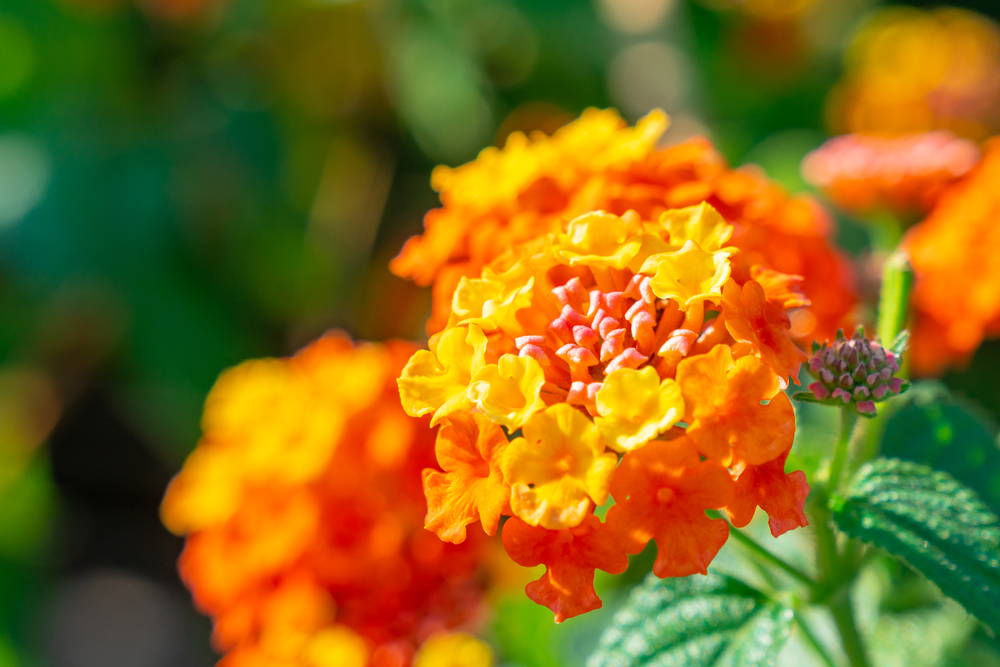
Lantana delivers bright clusters of flowers that keep landscapes colorful through intense summer conditions. Butterflies and hummingbirds flock to it, adding movement and life to outdoor spaces. Gardeners in hot regions across the United States rely on lantana for dependable seasonal color. It handles poor soil and long dry periods once its roots establish. This plant brings strong visual impact without demanding constant care.
Landscapers often place lantana in borders, containers, and wide garden beds for maximum effect. It tolerates reflected heat from driveways and sidewalks without losing vigor. Regular trimming encourages more blooms, but the plant continues producing flowers even with minimal attention. Homeowners appreciate how it fills space quickly while resisting summer stress. Lantana proves that tough conditions can still support striking color.
2. Zinnias Turn Hot Weather Into a Color Show
Zinnias handle warm soil and bright sun with impressive energy. Their wide range of colors creates eye-catching displays in any garden layout. These flowers perform especially well in full sunlight during peak summer months. They also resist many common pests that damage other seasonal blooms. Zinnias bring a cheerful presence to outdoor spaces without complicated care routines.
Gardeners often sow zinnia seeds directly into warm soil after frost danger passes. Germination happens quickly, and blooms appear within weeks. Cutting flowers encourages even more growth, making them a favorite for fresh arrangements. Pollinators frequently visit zinnia beds, boosting garden activity. These flowers add consistent color during the hottest parts of the year.
3. Coneflowers Stand Strong Through Long Summers
Coneflowers handle intense sun and dry conditions without losing structure or appeal. Their bold centers and drooping petals create a recognizable summer look. Native to North America, they adapt well to tough climates across many regions. These plants survive extended dry periods with little decline in performance. Coneflowers add both beauty and resilience to home landscapes.
Once established, they require minimal watering and continue returning each year. Bees and butterflies rely on their blooms throughout the season. Birds later feed on their seed heads, extending garden activity into fall. Many gardeners choose coneflowers for their reliability in unpredictable weather. These perennials offer lasting value with very little effort.
4. Sedum Stores Water and Handles Dry Heat Easily
Sedum, often called stonecrop, stores moisture in its thick leaves for dry conditions. It grows well in rocky soil, containers, and difficult garden spaces. Its star-shaped flowers attract pollinators during late summer months. This plant handles heat waves without showing stress or decline. Sedum adds texture and structure to low-water landscapes.
Gardeners value sedum for its low maintenance requirements and adaptability. It spreads slowly and forms attractive ground cover or upright clusters. Hot weather rarely affects its growth cycle. Urban gardeners often use it to reduce irrigation needs. Sedum delivers reliable performance in challenging environments.
5. Moss Rose Adds Color to Sun-Soaked Spaces
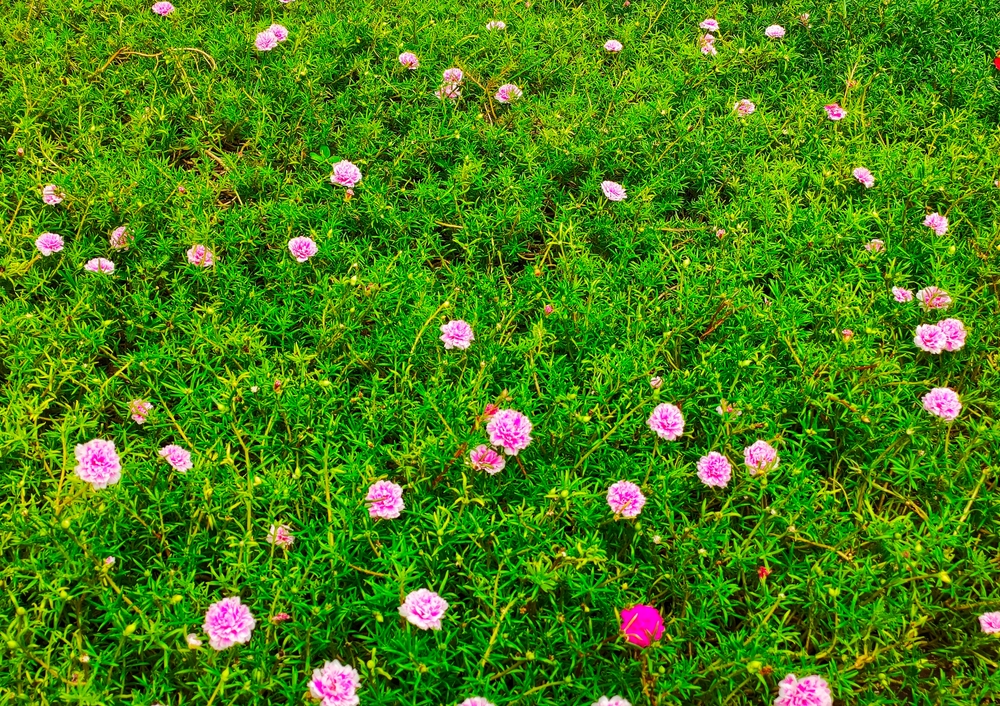
Moss rose opens its vibrant blooms under strong sunlight and closes at night. It handles sandy soil and dry conditions with ease. This plant performs well in areas where water access remains limited. Its trailing habit works well in containers and garden edges. Moss rose brings bright color to difficult growing spots.
Homeowners often use it in hot, reflective areas near pavement or stone. It continues flowering even when other plants struggle. Minimal watering keeps it productive throughout summer. It spreads quickly and fills bare spaces with color. Moss rose turns harsh conditions into decorative displays.
6. Salvia Adds Height and Long-Lasting Blooms
Salvia produces tall flower spikes that stand out in summer landscapes. Its fragrance helps deter pests while attracting hummingbirds and bees. This plant adapts well to dry soil and intense sunlight. Many varieties bloom for extended periods during warm months. Salvia brings structure and movement to garden designs.
Gardeners often place salvia in borders and pollinator beds. It maintains strong growth even during dry spells. Cutting back faded blooms encourages new flowering cycles. Its upright form adds contrast among lower plants. Salvia offers both function and visual appeal in hot climates.
7. Yucca Creates Bold Structure in Hot Landscapes
Yucca features sharp, architectural leaves that stand out in garden designs. It handles dry climates and high heat without difficulty. This plant requires very little water once it establishes roots. Tall flower spikes appear during summer, adding surprising detail. Yucca brings strong visual structure to outdoor spaces.
Landscape designers often use yucca for contrast against softer plants. It performs well in rocky or sandy soil conditions. Heat reflection from nearby surfaces does not affect its growth. Many gardeners choose it for its durability and bold appearance. Yucca delivers long-lasting structure with minimal upkeep.
8. Rosemary Combines Flavor, Fragrance, and Heat Strength
Rosemary grows well in hot climates and full sun exposure. It produces aromatic leaves used in cooking and landscaping. This herb resists drought and maintains strong growth in containers or beds. Bees visit its small flowers during warm seasons. Rosemary adds both function and beauty to garden spaces.
Gardeners often use rosemary as a living border or accent plant. It keeps its fragrance even during extended heat periods. Pruning encourages fuller and healthier growth. Many homes incorporate it into edible landscapes for convenience. Rosemary blends practicality with strong summer performance.
Gardens That Hold Strong Through Summer Heat
Heat-tolerant plants make summer gardening more manageable and visually rewarding. These eight selections handle extreme temperatures while adding color, texture, or function to outdoor spaces. They reduce water needs and limit maintenance during peak heat conditions. Many also support pollinators and improve garden biodiversity. Thoughtful plant choices create landscapes that stay active through challenging weather.
What heat-tolerant plants have performed best in tough summer conditions for you? We want your advice, experience, and stories below in the comments.
You May Also Like…
The Early Heat Stress Problem in Young Gardens
7 Strategies to Protect Growth During Early Heat Waves
Why Indoor Gardening Is Trending in Cold-Climate Homes
8 Drought-Resistant Picks That Reduce Water Needs
7 Long-Term Growers That Return Year After Year

Brandon Marcus is a staff writer for FrugalGardening.com at District Media, Inc., where he delivers practical gardening advice with a relatable, no-nonsense style. An avid amateur gardener, he holds a BA degree and with over ten years of professional writing experience, he is also an award-winning published author whose first book, Questions For Deep Thinkers, was released by Adams Media. His work has appeared in major publications including Fandom.com, CHUD.com, TheColdWire.com, and Fansided.com.
Leave a Reply