A great garden doesn’t just happen by accident. Smart gardeners know that certain plants practically throw a backyard party when they grow side by side, helping each other fight pests, improve flavor, attract pollinators, and even grow faster. Companion planting turns an ordinary vegetable patch into a hardworking ecosystem that saves money, cuts down on chemicals, and creates healthier harvests all season long.
Across America, home gardeners continue to embrace natural growing methods as grocery prices climb and more families look for affordable ways to grow fresh food at home. Companion planting stands out because it feels simple, practical, and surprisingly effective. A few smart pairings can reduce bugs, improve soil health, and make cramped garden spaces far more productive.
1. Tomatoes and Basil Create the Ultimate Backyard Power Couple
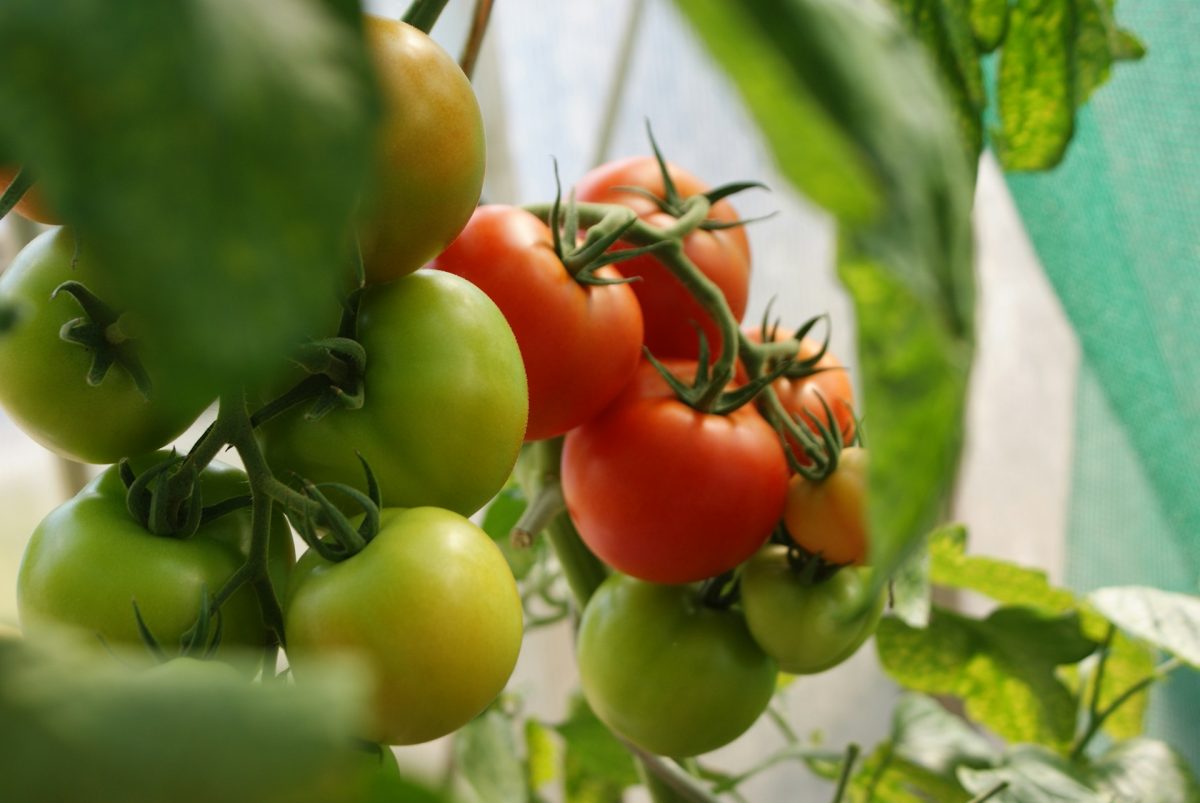
Tomatoes and basil practically deserve matching jerseys because they thrive together in the garden and later team up beautifully in the kitchen. Basil helps repel common tomato pests like hornworms, aphids, and whiteflies while attracting pollinators that improve overall garden activity. Many gardeners also claim basil improves tomato flavor, and while science continues to debate that point, backyard growers across the country continue to report sweeter harvests. Basil’s leafy growth also helps shade soil around tomato roots during brutal summer heat waves. This pairing works especially well in raised beds, container gardens, and small suburban yards where every inch counts.
Tomatoes demand plenty of nutrients and sunlight, so spacing still matters despite their friendship with basil. Crowded tomato plants invite fungal problems, especially during humid summers in southern and midwestern states. Smart gardeners leave enough airflow while planting basil close enough to create a protective border near the stems. A simple setup with one basil plant for every two tomato plants often delivers excellent results without turning the bed into a jungle. Regular pruning keeps both plants productive and prevents either one from stealing too many resources.
2. Corn, Beans, and Squash Form a Legendary Garden Trio
Native American farmers perfected the “Three Sisters” method centuries ago, and modern gardeners still rely on this powerful combination today. Corn provides a natural trellis for climbing beans while beans enrich the soil with nitrogen that feeds heavy-growing corn plants. Squash spreads across the ground and acts like living mulch, helping soil stay moist and discouraging weeds from taking over the bed. Together, these three plants create an efficient growing system that maximizes space while naturally supporting healthy growth. The setup also helps smaller gardens produce more food without relying heavily on fertilizers.
Timing matters with this trio because each plant grows at a different pace. Gardeners usually plant corn first so stalks gain enough strength before beans start climbing. Squash enters the mix once corn reaches several inches tall and temperatures consistently stay warm. Some gardeners make the mistake of overcrowding the patch, which can reduce airflow and invite mildew problems on squash leaves. Careful spacing and regular harvesting keep this centuries-old planting strategy productive throughout the growing season.
3. Carrots and Onions Help Protect Each Other From Hungry Pests
Carrots and onions operate like tiny security guards for one another underground. Onions release a strong scent that confuses carrot flies, while carrots help distract onion flies from targeting bulbs. This natural pest control strategy helps gardeners reduce insect damage without spraying harsh chemicals around edible crops. The plants also grow well together because they pull nutrients from different soil levels rather than competing aggressively for the same resources. Many gardeners use this pairing in raised beds because it keeps space productive and organized.
Loose soil plays a huge role in making this combination successful. Carrots need room to grow straight without hitting rocks or compacted dirt, while onions prefer well-draining soil that prevents rot. Gardeners often stagger rows of carrots and onions to create a stronger scent barrier across the bed. Regular thinning helps carrots develop properly and prevents overcrowding from reducing onion bulb size. With consistent watering and proper spacing, this pairing delivers a productive harvest that stores well long after summer ends.
4. Cucumbers and Nasturtiums Keep Garden Trouble Under Control
Cucumbers attract plenty of unwanted guests, including aphids, cucumber beetles, and squash bugs that can wreck a healthy crop fast. Nasturtiums act like a trap crop by attracting pests away from cucumber vines before major damage occurs. Their bright flowers also attract pollinators, helping cucumber plants produce more fruit throughout the season. Many gardeners love this pairing because nasturtiums bring bold color to vegetable beds while quietly doing serious pest-control work. The edible flowers even add a peppery kick to summer salads.
This pairing thrives in sunny gardens with consistent watering and good airflow. Nasturtiums spread quickly, so gardeners often plant them around the edges of cucumber mounds or trellises rather than directly underneath vines. Too much crowding can increase moisture buildup and encourage mildew problems during humid stretches. Gardeners who stay on top of pruning usually enjoy healthier plants and longer harvest windows.
5. Lettuce and Radishes Speed Up Slow Garden Beds
Lettuce grows steadily while radishes sprint toward harvest in just a few weeks, making them excellent companions for efficient gardeners. Radishes help loosen soil as they grow, which allows lettuce roots to spread more easily through the bed. Since radishes mature quickly, gardeners harvest them before lettuce fully expands and needs extra space. This setup creates a smart rotation system that maximizes production in smaller backyard gardens. Cool-weather gardeners especially love this pairing during spring and fall planting seasons.
Hot weather can turn lettuce bitter and cause radishes to become woody, so timing matters with this combination. Gardeners often sow new rounds every two weeks to maintain a steady harvest instead of dealing with one overwhelming crop dump. Consistent watering keeps both vegetables tender and flavorful while reducing stress during temperature swings.
6. Marigolds and Nearly Everything Else Build a Stronger Garden
Marigolds earn superstar status in gardens because they help repel nematodes, aphids, mosquitoes, and several destructive insects. Their strong scent confuses pests while their flowers attract pollinators that improve fruit and vegetable production nearby. Many gardeners plant marigolds around tomatoes, peppers, cucumbers, beans, and squash to create a protective border across the entire garden. The bright orange and yellow blooms also make vegetable patches look more vibrant and inviting during peak summer months. Few companion plants work harder while asking for so little maintenance.
French marigolds usually perform best for pest control because they produce compounds that affect harmful soil organisms. Gardeners should still avoid packing them too tightly around vegetables because overcrowding reduces airflow and creates moisture problems. Deadheading spent flowers encourages more blooms and extends their usefulness through the growing season. Marigolds also thrive in containers, making them perfect for patios, balconies, and urban gardens with limited space. This classic companion plant continues to earn its reputation year after year.
7. Peppers and Spinach Make Smart Use of Limited Space
Peppers love heat and sunlight while spinach prefers cooler conditions, creating a surprisingly balanced partnership in the garden. Taller pepper plants provide partial shade that helps spinach survive longer before bolting during warm weather. Spinach acts like a living mulch around pepper roots, helping retain moisture and reduce weed growth naturally. Gardeners with small raised beds often use this pairing to maximize productivity without overcrowding their growing space. The setup also creates a visually appealing contrast between leafy greens and colorful peppers.
Gardeners usually plant spinach early in the season before peppers reach full size. As temperatures rise, peppers continue thriving while spinach benefits from extra shade underneath the canopy. Consistent watering helps both plants stay productive, especially during dry stretches common in many American summers.
A Smarter Garden Starts With Better Plant Partnerships
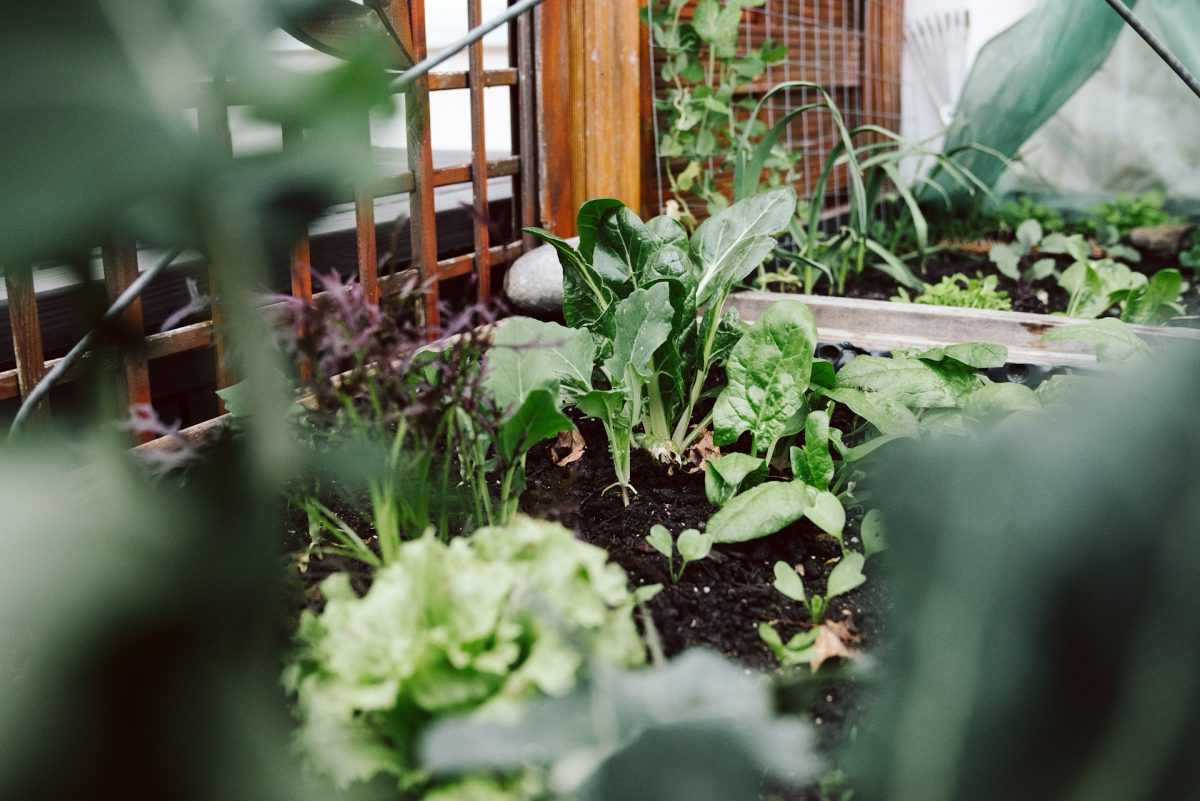
Companion planting turns gardening into a team sport where plants actively support each other instead of competing for survival. These pairings help reduce pests, improve yields, conserve space, and create healthier gardens without relying heavily on synthetic chemicals. Smart combinations also save money because gardeners often need fewer treatments, less fertilizer, and fewer replacement plants throughout the season.
Which companion planting combo has delivered the best results in your garden? Share favorite pairings and gardening surprises in the comments below.
You May Also Like…
How Cold Frames Extend More Than Just Lettuce
The Best Companion Plants for Natural Pest Control
The Molasses Mystery: Why Sugar Makes Your Microbes (And Plants) Go Wild
The Sunlight Rule: Why Placement Determines Growth Success
7 Low-Growing Plants That Beat Weeds Without Constant Maintenance

Brandon Marcus is a staff writer for FrugalGardening.com at District Media, Inc., where he delivers practical gardening advice with a relatable, no-nonsense style. An avid amateur gardener, he holds a BA degree and with over ten years of professional writing experience, he is also an award-winning published author whose first book, Questions For Deep Thinkers, was released by Adams Media. His work has appeared in major publications including Fandom.com, CHUD.com, TheColdWire.com, and Fansided.com.
Leave a Reply