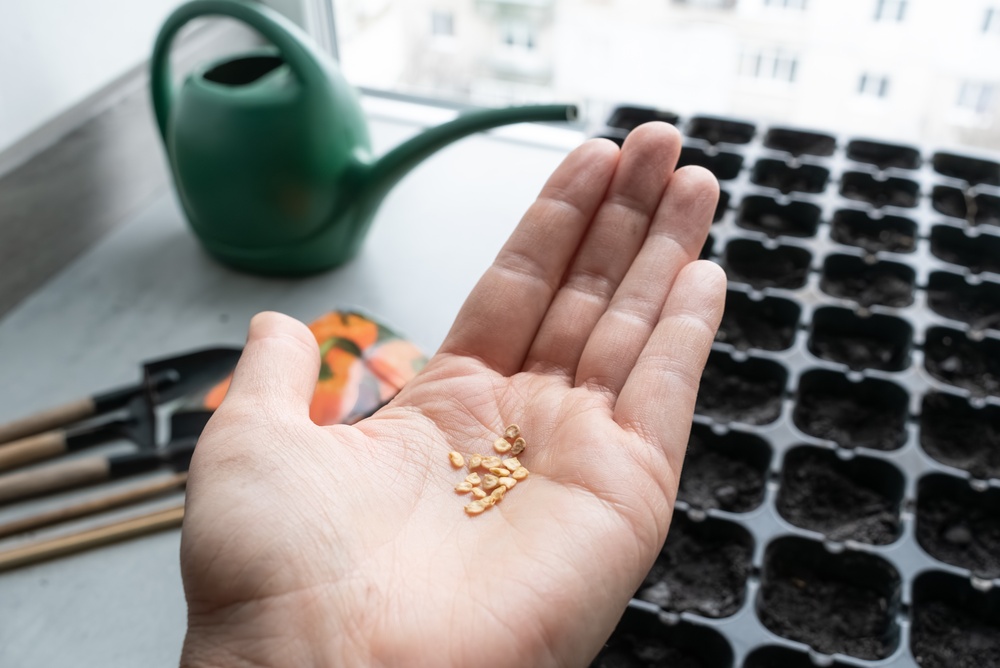
A packet of seeds can look like a bargain at first glance—bright packaging, low price, and promises of a thriving garden. But seasoned gardeners know that cutting corners on seeds often leads to disappointment, wasted time, and unexpected expenses. The truth is simple: the cheapest option at checkout can quietly become the most expensive choice by harvest time.
From poor germination rates to weak plants that struggle to survive, low-quality seeds introduce risks that ripple through the entire growing season. Smart gardening starts before the first seed hits the soil, and the right investment upfront can save both money and frustration down the road.
1. Cheap Seeds Often Have Low Germination Rates and Waste Your Effort
Cheap seeds frequently come with inconsistent germination rates, which means fewer plants actually sprout. A gardener may plant an entire row expecting lush growth, only to see scattered, uneven seedlings emerge. This leads to wasted space in the garden and extra time spent replanting, which delays the entire growing cycle. Poor germination also forces gardeners to buy additional seed packets, erasing any initial savings almost immediately. Reliable seed companies typically test their seeds for viability, while budget options often skip this step to cut costs.
Low germination rates also affect planning and yield expectations in a big way. When only half the seeds sprout, crop output drops significantly, especially for vegetables like carrots or lettuce that rely on dense planting. This inconsistency makes it difficult to manage harvest timing or ensure a steady supply of produce. Gardeners may even feel tempted to overplant cheap seeds to compensate, which leads to overcrowding and weaker plants overall. In the end, the savings disappear as time, effort, and productivity all take a hit.
2. Poor Genetics Lead to Weak Plants and Lower Yields
Cheap seeds often lack strong genetic stability, which results in plants that struggle to thrive. These plants may grow unevenly, produce smaller fruits, or fail to reach maturity altogether. High-quality seeds usually come from carefully selected parent plants bred for vigor, disease resistance, and consistent performance. Budget seeds, on the other hand, may come from mixed or poorly maintained stock, leading to unpredictable results in the garden. This unpredictability creates frustration and reduces confidence in the growing process.
Weak plants also require more intervention to survive, which increases costs over time. Gardeners may need to use more fertilizer, pest control products, or soil amendments just to keep struggling plants alive. Even with extra care, these plants rarely match the productivity of those grown from premium seeds. The difference becomes especially noticeable during harvest when yields fall short of expectations. Investing in strong genetics upfront eliminates many of these headaches and sets the stage for a healthier, more productive garden.
3. Increased Risk of Disease and Pest Problems
Low-quality seeds can carry hidden risks, including susceptibility to disease and pests. Some cheap seeds lack proper screening or certification, which increases the chances of introducing problems into the garden. Once disease takes hold, it can spread quickly and damage nearby plants, turning a small issue into a widespread problem. Treating these issues often requires additional products, time, and effort, all of which add to the overall cost. A single infected plant can compromise an entire crop if not handled quickly.
Pest resistance also plays a major role in plant health and productivity. High-quality seeds often come from varieties bred to resist common pests, reducing the need for chemical interventions. Cheap seeds may lack these traits, making plants more vulnerable and harder to manage. This leads to more frequent pest outbreaks and higher maintenance demands throughout the season. Over time, the cost of managing these issues outweighs the initial savings from buying cheaper seeds.
4. Shorter Shelf Life and Poor Storage Quality
Cheap seeds often come with shorter shelf lives due to lower production and storage standards. Seeds that sit too long in poor conditions lose viability, which directly impacts germination success. Gardeners may unknowingly purchase older seeds that have already begun to deteriorate, leading to disappointing results even under ideal growing conditions. Reputable seed companies typically provide packaging dates and storage recommendations, while budget brands may lack this transparency. This makes it harder to judge whether the seeds will perform as expected.
Storage quality also affects long-term value, especially for gardeners who save seeds for future seasons. High-quality seeds maintain their viability longer when stored properly, allowing gardeners to stretch their investment across multiple planting cycles. Cheap seeds, however, often degrade quickly, forcing repeat purchases every season. This ongoing expense adds up over time and reduces overall cost efficiency. Choosing seeds with proven storage reliability ensures better performance year after year.
5. Hidden Costs Add Up Quickly Over Time
The real cost of cheap seeds becomes clear when all the hidden expenses come into play. Replanting, extra fertilizers, pest control, and lost harvests all contribute to a higher overall investment. What started as a small saving at the store quickly turns into a series of additional purchases throughout the growing season. These costs often go unnoticed at first but accumulate steadily over time. By the end of the season, the total expense can exceed what high-quality seeds would have cost in the first place.
Time also plays a critical role in the true cost equation. Gardening requires consistent effort, and dealing with underperforming plants demands even more attention. Fixing problems caused by poor-quality seeds takes time away from other productive gardening tasks. This reduces efficiency and can make the entire experience less enjoyable. Investing in reliable seeds simplifies the process and allows gardeners to focus on growth rather than troubleshooting.

Strong Seeds, Strong Results: Where Smart Gardeners Win
Choosing quality over price creates a foundation for success in any garden. High-quality seeds deliver consistent germination, stronger plants, and better yields, all while reducing the need for constant intervention. This reliability translates into real savings, both financially and in terms of time and effort. Gardeners who prioritize seed quality often enjoy smoother growing seasons and more predictable results. The upfront cost may be slightly higher, but the long-term benefits far outweigh the initial expense.
Have cheap seeds ever let your garden down, or have you found budget options that actually performed well? Share your experience in the comments.
You May Also Like…
Beat the Summer Heat: The Budget Way to Shade Your Plants for Free
5 Budget Ways to Mark Garden Rows Clearly
Stop Buying Raised Beds: 4 Cheap Building Alternatives That Last Longer
Cheap Support Ideas for Vining Plants Like Tomatoes and Beans
7 Budget Seed Storage Tips That Preserve Germination

Brandon Marcus is a staff writer for FrugalGardening.com at District Media, Inc., where he delivers practical gardening advice with a relatable, no-nonsense style. An avid amateur gardener, he holds a BA degree and with over ten years of professional writing experience, he is also an award-winning published author whose first book, Questions For Deep Thinkers, was released by Adams Media. His work has appeared in major publications including Fandom.com, CHUD.com, TheColdWire.com, and Fansided.com.
Leave a Reply