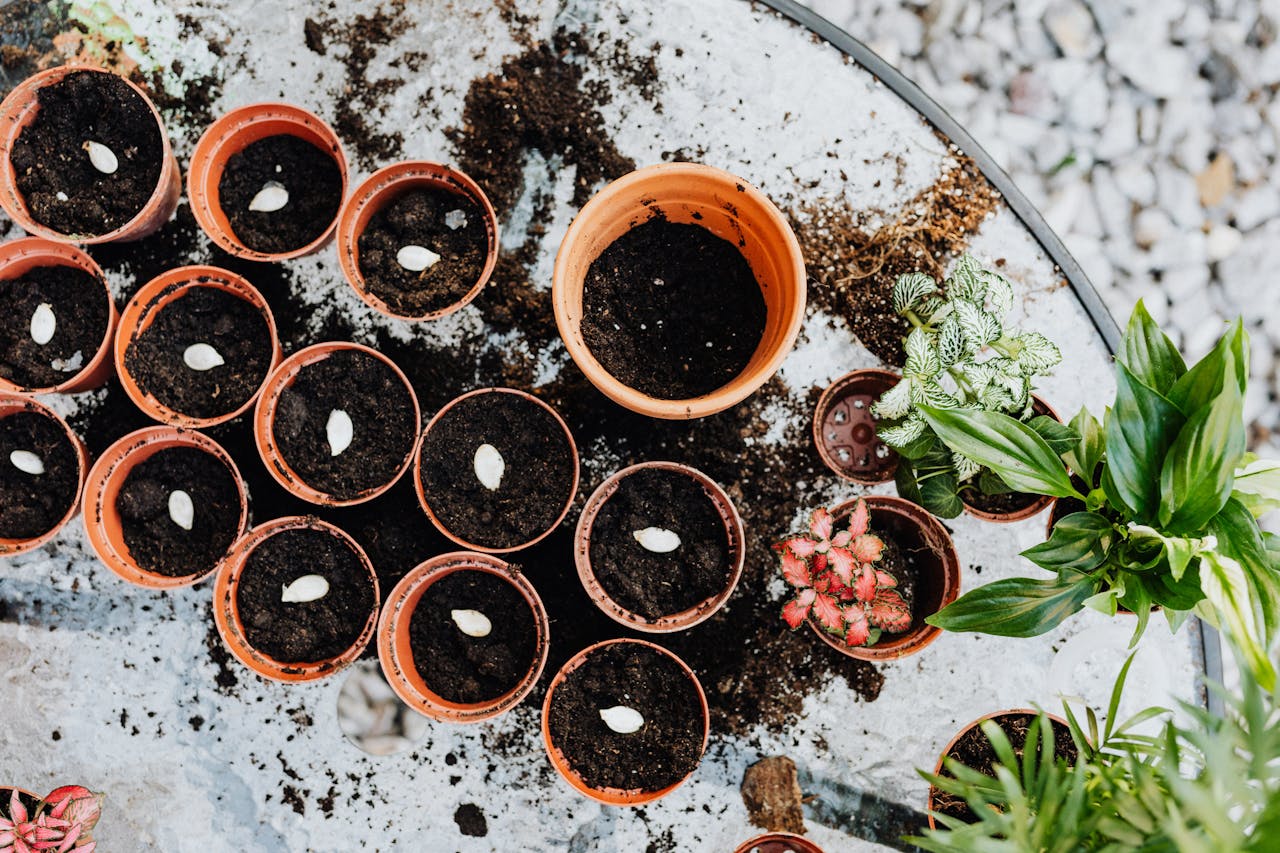
The difference between a thriving garden and a disappointing patch of dirt often comes down to something incredibly small: a seed that either wakes up strong or never wakes up at all. Seeds carry life, but they also carry a ticking clock, and without the right storage, that clock speeds up fast. Heat, moisture, and light team up like villains, quietly draining the energy inside every tiny shell until nothing remains but a missed opportunity. Anyone serious about growing food, flowers, or even just a few herbs on a windowsill needs to treat seeds like the valuable investment they are.
Smart storage does not demand fancy gadgets or expensive systems. Simple, budget-friendly strategies can keep seeds viable for years, protecting germination rates and saving money along the way. A handful of clever tricks can turn a cluttered drawer of questionable packets into a reliable collection ready for planting season. The goal stays simple: keep seeds dry, cool, and stable, without spending a fortune.
1. Cool, Dark, and Dry Wins Every Time
Seeds hate chaos, especially when it comes to temperature and light. Warmth tells seeds to wake up, while light can trigger subtle biological changes that weaken them over time. A stable, cool, and dark environment keeps seeds in a deep, restful state where they hold onto their energy instead of wasting it. A simple cabinet away from heat sources works surprisingly well, especially in homes without extreme temperature swings. A basement shelf or interior closet can also serve as a great low-cost option for long-term storage.
Moisture plays an even bigger role than temperature, and it ruins seeds faster than anything else. Even a small amount of humidity can trigger premature metabolic activity, which burns through the seed’s stored nutrients before planting ever begins. Dry environments protect seeds by slowing everything down to a near standstill. Pairing a cool location with a dry one creates a powerful combination that preserves germination rates far longer than leaving packets exposed on a countertop. This approach costs nothing and delivers immediate results, making it one of the most effective first steps anyone can take.
2. Skip the Fancy Containers and Go Airtight
Expensive storage systems might look impressive, but airtight containers do the real work without draining a budget. Glass jars with tight lids, reused food containers, or even sturdy zip-top bags can lock out moisture and air effectively. Seeds stored in airtight conditions stay protected from humidity swings that often happen inside homes, especially during seasonal changes. Even something as simple as a cleaned-out pasta sauce jar can become a reliable seed vault with zero extra cost.
Consistency matters more than aesthetics when it comes to storage. Mixing different container types works fine as long as each one seals properly and stays dry inside. Smaller containers can help separate seed types, which prevents frequent opening of one large container that exposes everything to air. Keeping things airtight also reduces the risk of mold or rot, both of which can destroy entire collections quickly. This tip proves that functionality beats appearance every time, especially when the goal focuses on preserving life inside each seed.
3. Silica Gel Packs Are Tiny Heroes
Those little packets tucked inside shoe boxes and electronics packaging deserve a second life. Silica gel packs absorb moisture from the air, creating a dry microclimate that protects seeds from humidity damage. Tossing a few into storage containers can dramatically extend the lifespan of seeds, especially in regions where humidity stays high. This trick costs nothing if those packets get saved instead of tossed, and it works quietly without any maintenance.
Alternative moisture absorbers can step in when silica gel packs are not available. Dry rice or powdered milk wrapped in breathable material can also help reduce humidity inside containers. The goal stays simple: keep the air around seeds as dry as possible. Combining airtight storage with moisture absorbers creates a powerful defense system against one of the biggest threats to germination. This small addition can mean the difference between seeds that sprout eagerly and seeds that never even try.
4. Label Everything Like It Matters
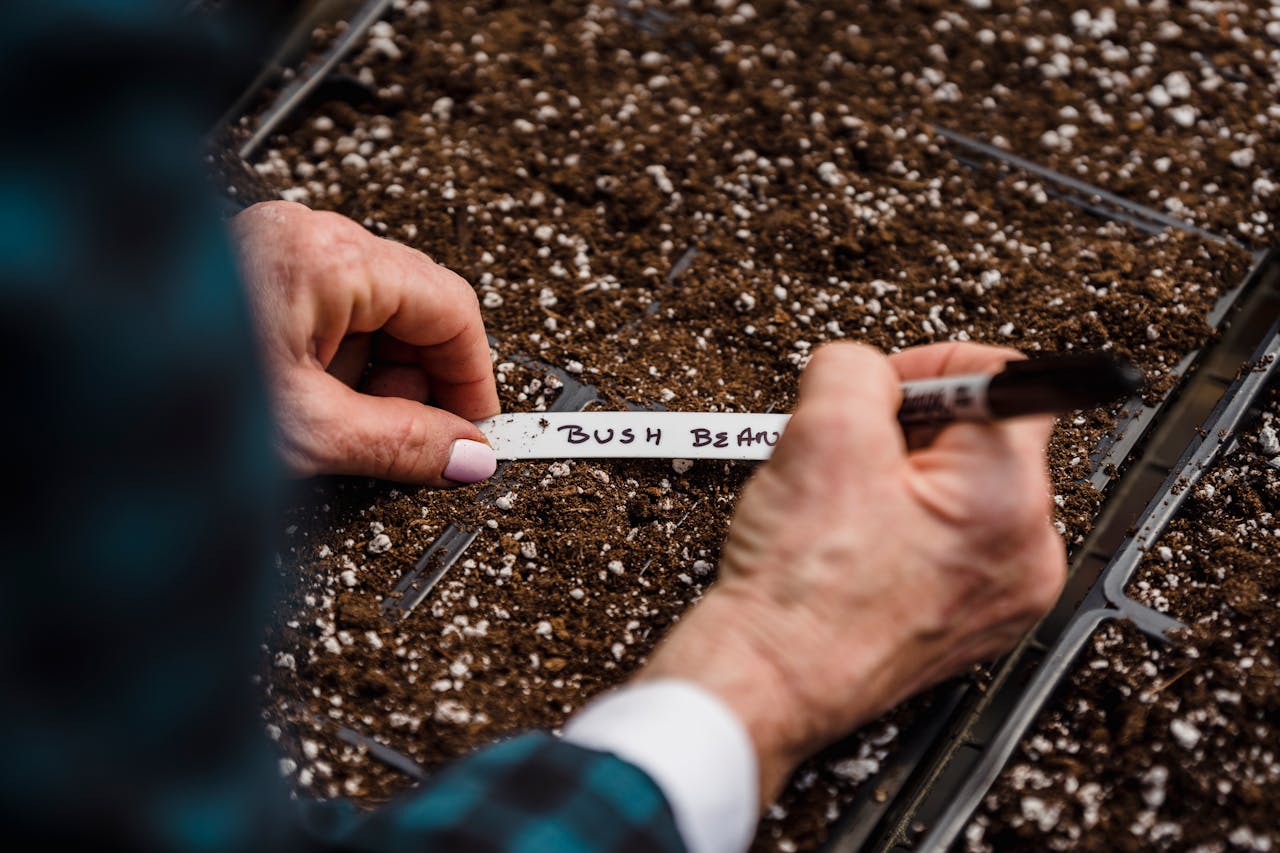
Seeds may look harmless sitting in little envelopes, but confusion can ruin an entire planting season. Clear labeling ensures that every seed stays identifiable, along with its age and variety. Writing the date of purchase or harvest directly on packets helps track how long seeds have been in storage, which matters because viability declines over time. Some seeds last only a year or two, while others can remain viable for several years under ideal conditions.
Organizing labeled seeds into categories adds another layer of efficiency. Grouping vegetables, herbs, and flowers separately makes it easier to find what is needed without rummaging through everything. Frequent handling introduces air and moisture, so reducing unnecessary exposure helps maintain quality. A simple notebook or digital list can track inventory and remind when it’s time to replace older seeds. This system keeps everything clear, efficient, and ready for action when planting season arrives.
5. The Fridge Trick That Gardeners Swear By
A refrigerator can act as a powerful seed storage tool when used correctly. The cool, stable temperature slows down the natural aging process inside seeds, helping them retain their germination potential for longer periods. Placing seeds in airtight containers before storing them in the fridge prevents condensation, which could otherwise introduce harmful moisture. This method works especially well for seeds that benefit from long-term storage, such as lettuce, carrots, and many herbs.
Consistency matters more than extreme cold. Freezing seeds can damage certain varieties if moisture remains inside, so a standard refrigerator temperature offers a safer option for most gardeners. Keeping seeds in the back of the fridge, where temperatures remain stable, prevents fluctuations caused by frequent door openings. This trick costs nothing beyond a bit of space and delivers noticeable results, especially for those who save seeds year after year. It turns an everyday appliance into a powerful ally for preserving life in seed form.
6. Avoid the “Kitchen Counter Trap”
Seeds left out in the open might look charming, but they face constant exposure to light, heat, and humidity. Kitchens often experience temperature swings from cooking, along with bursts of steam that introduce moisture into the air. This environment speeds up the deterioration process, even if the seeds remain sealed in their original packets. A decorative display may look appealing, but it quietly sabotages germination potential over time.
Moving seeds away from high-activity areas creates an immediate improvement in storage conditions. Even a simple drawer in a cooler room can outperform a countertop display by a wide margin. Keeping seeds out of sight may feel less exciting, but it protects their ability to grow when the time comes. This shift requires no extra cost and delivers a big payoff in reliability. Seeds deserve protection more than presentation, and this tip reinforces that idea clearly.
7. Rotate Stock Like a Pro Gardener
Seeds do not last forever, even under perfect conditions. Rotating stock ensures that older seeds get used first, reducing waste and improving overall success rates. Checking dates regularly and planning planting schedules around older seeds helps maintain a fresh and effective collection. This habit mirrors strategies used in professional agriculture, where efficiency and timing matter at every step.
Testing older seeds before planting can also save time and effort. A simple germination test using a damp paper towel reveals whether seeds still have life left in them. If only a few sprout, planting more densely can compensate for lower viability. This approach turns potential disappointment into a manageable adjustment rather than a complete loss. Staying proactive with rotation keeps the entire system working smoothly and ensures that every seed gets a fair chance to grow.
Minor Changes Leading To Big Harvests
Strong gardens begin long before anything touches soil, and seed storage plays a bigger role than many realize. Simple, low-cost strategies can protect germination, extend seed life, and improve planting success without requiring expensive tools or complicated systems. Cool, dry environments, airtight containers, and smart organization all work together to create a reliable setup that anyone can maintain. These small changes build confidence and reduce waste, making every planting season feel more predictable and rewarding.
Which of these tips feels easiest to start right away, and what strategies already work well in your setup? Give us your thoughts, favorite tricks, or even storage experiments below!
You May Also Like…
What Happens When Seeds Don’t Get Enough Water
5 DIY Bird Deterrents That Protect Seeds and Seedlings
How to Start Seeds Indoors on a Tight Budget Without Wasting Money
How to Stop Birds From Digging Up Seeds
The Little-Known Secret to Strong, Healthy Seedlings That Costs Almost Nothing

Brandon Marcus is a staff writer for FrugalGardening.com at District Media, Inc., where he delivers practical gardening advice with a relatable, no-nonsense style. An avid amateur gardener, he holds a BA degree and with over ten years of professional writing experience, he is also an award-winning published author whose first book, Questions For Deep Thinkers, was released by Adams Media. His work has appeared in major publications including Fandom.com, CHUD.com, TheColdWire.com, and Fansided.com.
Leave a Reply