Have you ever stared at your tiny garden on a blazing summer day, secretly wishing the plants could water themselves while you kick back with a lemonade? The truth is, watering plants doesn’t have to feel like a chore or burn a hole in your wallet. In fact, some of the most clever irrigation systems can be built with items lying around your house or a quick trip to the dollar store. Imagine turning that neglected corner of your backyard into a mini oasis without spending more than twenty bucks. The magic of DIY irrigation lies in turning simple objects into a reliable, efficient, and surprisingly satisfying watering solution.
DIY irrigation isn’t just about convenience—it’s about getting a little creative, saving water, and even helping your plants thrive in ways store-bought systems might not. Instead of fussing with hoses tangled like spaghetti, you can craft an automated drip system that targets roots, keeps moisture consistent, and reduces waste. The best part? These setups are shockingly simple, cheap, and flexible enough to grow with your garden.
1. Drip Bottles: The Classic Budget Hero
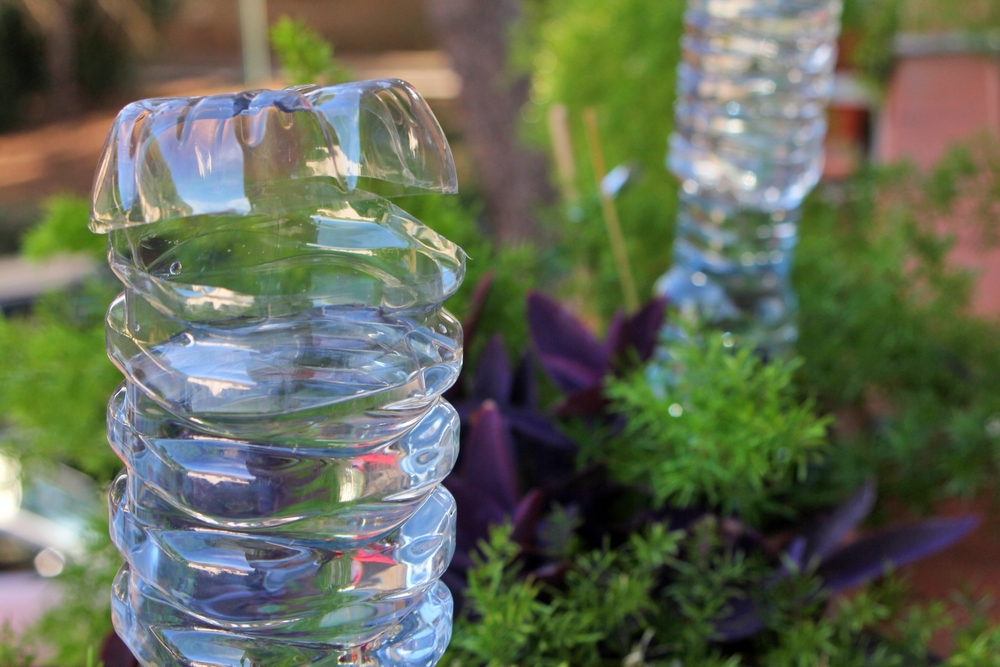
Nothing screams “genius DIY” like turning an empty water bottle into a precise mini-drip irrigation system. All you need is a clean plastic bottle, a few tiny holes in the cap, and a steady hand. Place the bottle upside-down in the soil near your plants, fill it with water, and watch as it slowly drips directly into the roots over hours. This method prevents water from evaporating too quickly and ensures plants get just the right amount without pooling on top or running off.
For gardens with multiple plants, arranging a few drip bottles strategically can cover your whole patch. Taller bottles work well for deep-rooted veggies like tomatoes, while shorter ones are perfect for herbs and small flowers. You can even get fancy and poke different-sized holes to control flow rates, essentially customizing a watering schedule without any electronics or timers. Using recycled bottles also makes this system sustainable and completely adaptable to your space. Plus, the satisfaction of seeing plants flourish from such a simple hack makes it one of the most rewarding DIY irrigation methods under twenty dollars.
2. Soaker Hoses on a Shoestring Budget
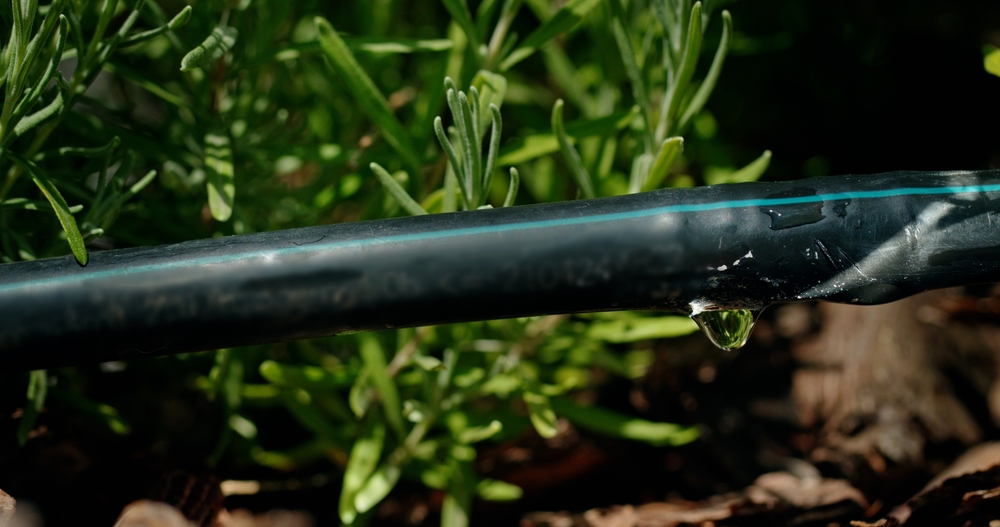
If drip bottles are the intro track, soaker hoses are the main course in budget irrigation. You can find inexpensive soaker hoses at most home improvement stores, often costing less than fifteen dollars for a ten-foot length. Lay the hose along rows of plants, twist it around root areas, and cover lightly with mulch to lock in moisture. Water seeps slowly through tiny pores, giving roots consistent hydration without soaking the leaves or wasting water.
Soaker hoses excel in small vegetable gardens, flower beds, and container setups. They are easy to adjust, so when one plant grows faster or spreads wider than expected, you can simply reroute the hose. Connecting them to a basic timer or even just turning the faucet on for an hour a day keeps soil evenly moist with minimal effort. Covering the hose with mulch not only keeps the water from evaporating but also strengthens the garden’s resilience against heat and reduces weeds. It’s a simple, flexible, and surprisingly durable method that feels fancy while staying extremely budget-conscious.
3. Gravity-Powered Systems: No Pumps, No Problem
Who needs electricity when you have gravity and a bit of clever positioning? Using a large container placed on a shelf, deck, or even stacked bricks, you can create a DIY irrigation system that flows naturally into your plants. Fill a bucket or jug with water, attach tubing or even a funnel, and let gravity do the work. You can control flow rates with small clamps or adjustable holes, turning your makeshift reservoir into a precision watering system that costs next to nothing.
Gravity-fed setups are ideal for container gardens or raised beds where water pressure from a hose is either unavailable or inconvenient. They also double as a fun experiment, teaching how water distribution and root absorption work. These systems are low maintenance, completely silent, and surprisingly reliable. A few carefully placed bricks and some inexpensive tubing can cover a surprisingly large area, all without turning on a pump or relying on electricity. It’s also highly customizable—you can add multiple reservoirs to stagger watering for different plants or create a cascading effect that feels almost magical.
4. DIY Wick Irrigation: Let Plants Drink Themselves
For those who want ultimate low-maintenance magic, wick irrigation delivers water exactly where it’s needed while letting the plants do most of the work. By using a piece of cotton rope or fabric as a wick, one end in a water source and the other buried near roots, water naturally travels through capillary action. Plants essentially draw water themselves, meaning overwatering becomes almost impossible, and the soil remains consistently moist.
Wick systems shine in small raised beds or container gardens, especially for herbs and leafy greens. They are extremely cheap to make, requiring only basic supplies like an old sock, strip of cloth, or shoelace and a small container of water. The simplicity doesn’t limit their efficiency, either; wicks are incredibly effective at maintaining root hydration even during hot, sunny days. Plus, this method encourages creativity: different wick materials, lengths, and container heights can all adjust flow rates for various plant types. It’s a mesmerizing, almost zen-like approach to gardening that feels smart, sustainable, and hands-off.
5. Combining Methods for Maximum Impact
The real magic happens when these inexpensive systems work together. Using drip bottles for delicate seedlings, soaker hoses for veggies, gravity-fed reservoirs for raised beds, and wicks for potted plants creates a watering symphony that keeps everything hydrated efficiently. Mix and match depending on plant needs, sun exposure, and garden layout. Small, incremental setups mean you can test, tweak, and perfect irrigation without blowing the budget or overcomplicating things.
Even on a tight twenty-dollar limit, combining methods allows gardeners to experiment with flow control, placement, and timing. It also introduces a playful aspect, like a mini engineering project for your backyard. Layering mulch, adjusting drip rates, or extending hoses can dramatically improve water retention and plant growth without spending extra money. This strategy rewards curiosity, problem-solving, and the simple joy of seeing a flourishing garden emerge from creative, low-cost techniques.
Water Smarter, Garden Happier
A thriving garden doesn’t need fancy pumps or high-tech gadgets. Clever use of inexpensive materials, simple mechanics, and a little planning can turn a tiny space into a water-efficient paradise. From drip bottles to wick systems, gravity-fed setups, and budget soaker hoses, there’s a method for nearly every layout, plant type, and skill level. Small investments, creativity, and patience can pay off with greener, healthier plants, less water waste, and a lot more fun in the process.
What’s your favorite DIY irrigation hack? Have you tried blending bottles, hoses, or wicks to make a system that practically waters itself? Share your stories, ideas, or clever garden tricks in the comments.
You May Also Like…
Water Boards Say This Common Irrigation Setup Is Wasting Thousands of Gallons
Your Irrigation System Needs One Thing Before It Freezes Solid
Why Moss Appears on Lawns and What It Says About Your Soil
How to Fix Uneven Soil pH Without Buying Costly Test Kits
What Ant Trails in Your Yard Really Mean for Soil and Plant Health

Brandon Marcus is a staff writer for FrugalGardening.com at District Media, Inc., where he delivers practical gardening advice with a relatable, no-nonsense style. An avid amateur gardener, he holds a BA degree and with over ten years of professional writing experience, he is also an award-winning published author whose first book, Questions For Deep Thinkers, was released by Adams Media. His work has appeared in major publications including Fandom.com, CHUD.com, TheColdWire.com, and Fansided.com.
Leave a Reply