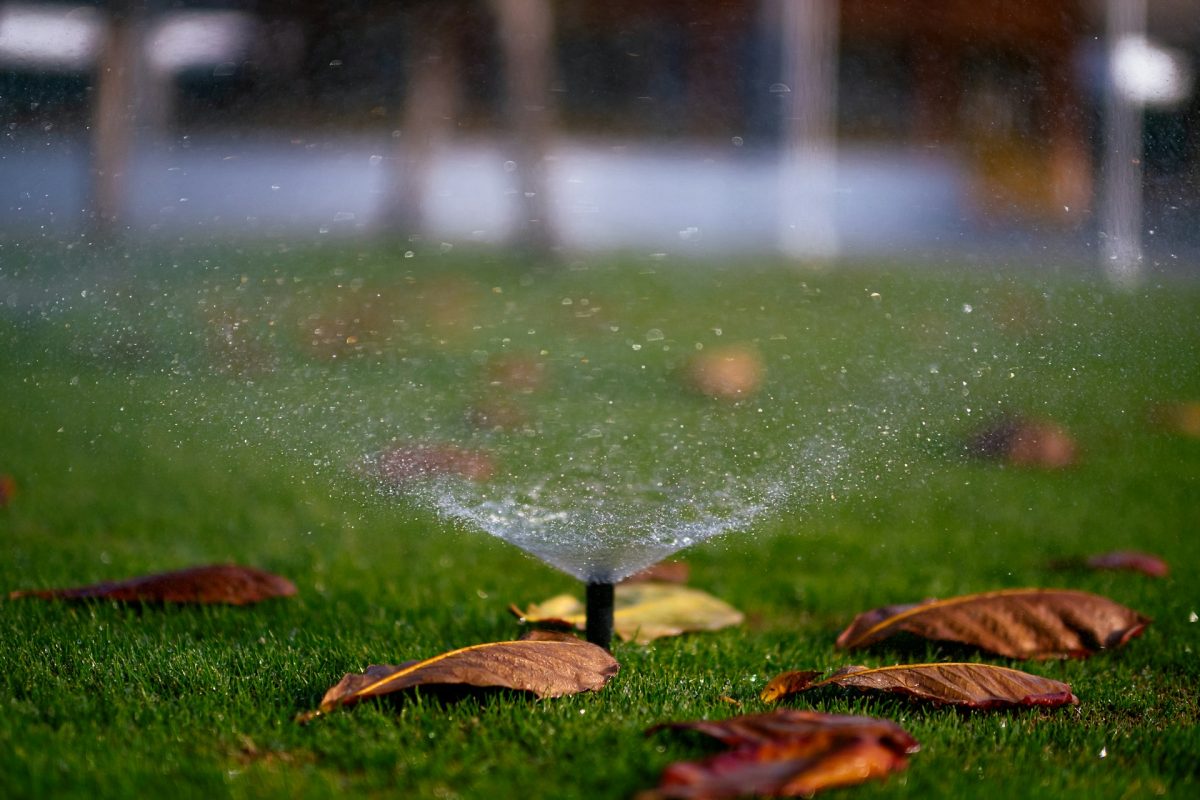
March often feels like the first real breath of spring, but plants do not always wake up at the right speed. Soil temperatures stay cool in many regions, and plant roots move nutrients and moisture slowly when the ground still holds winter’s chill. Throwing large amounts of water onto lawns or garden beds during this time does not help plants grow faster, and it can actually make roots struggle to breathe inside heavy, soaked soil. Gardeners sometimes believe more water equals stronger growth, but biology tells a different story.
When someone adds extra irrigation on top of natural rainfall, the ground may stay wet for days, and roots sit inside damp darkness without oxygen flow. Smart gardeners check local rainfall first, because nature sometimes delivers enough moisture without extra effort. Turning their irrigation timers off during early spring can save surprising amounts of money over a full season.
Root Rot, Fungus, and That Quiet Garden Damage Nobody Notices
Overwatering in March creates one of the biggest hidden problems in home gardening: root rot starting quietly below the soil surface. Roots need oxygen just as much as they need water, and oversaturated ground removes air pockets that roots use for respiration. When soil stays soggy for long periods, microscopic organisms begin breaking down plant tissue, especially around young spring roots that have not hardened yet.
Diseases spread faster during cool, wet spring weather because spores travel easily through water droplets resting on leaves and soil. Lawns that receive too much water often show yellow patches, thin grass blades, and weak growth patterns later in the season. Shockingly, homeowners sometimes respond by watering even more, thinking dryness causes the yellow color, but this decision usually deepens the problem. Testing soil moisture before turning sprinklers on becomes one of the smartest moves anyone can make.
Watering early spring lawns also wastes fertilizer investments. Nutrients wash deeper into soil layers when too much water flows through garden beds. Roots then cannot reach those nutrients easily, and plants grow weak even if gardeners spend money feeding the soil.
March Weather Already Does Some of the Work
Rain patterns during early spring often provide enough moisture for most outdoor plants. Snowmelt in some regions also feeds groundwater reserves slowly, keeping soil hydrated without human intervention. People sometimes forget that lawns evolved to handle natural seasonal shifts, and grass species generally expect lower watering frequency during cooler months.
Evaporation rates stay low in March because sunlight intensity remains weaker than summer levels. Water placed on soil surfaces stays there longer instead of turning into vapor. This fact means irrigation systems work less efficiently early in the year. Sprinklers that run for twenty minutes in July might need far less runtime in March, if they need to run at all.
Home gardeners benefit by watching weather forecasts before starting irrigation schedules. If rain comes within 24 hours, skipping manual watering saves both money and plant health. Garden soil should feel moist but not muddy. Muddy soil signals excess water rather than healthy hydration.
Smarter Spring Watering Means Smarter Money Management
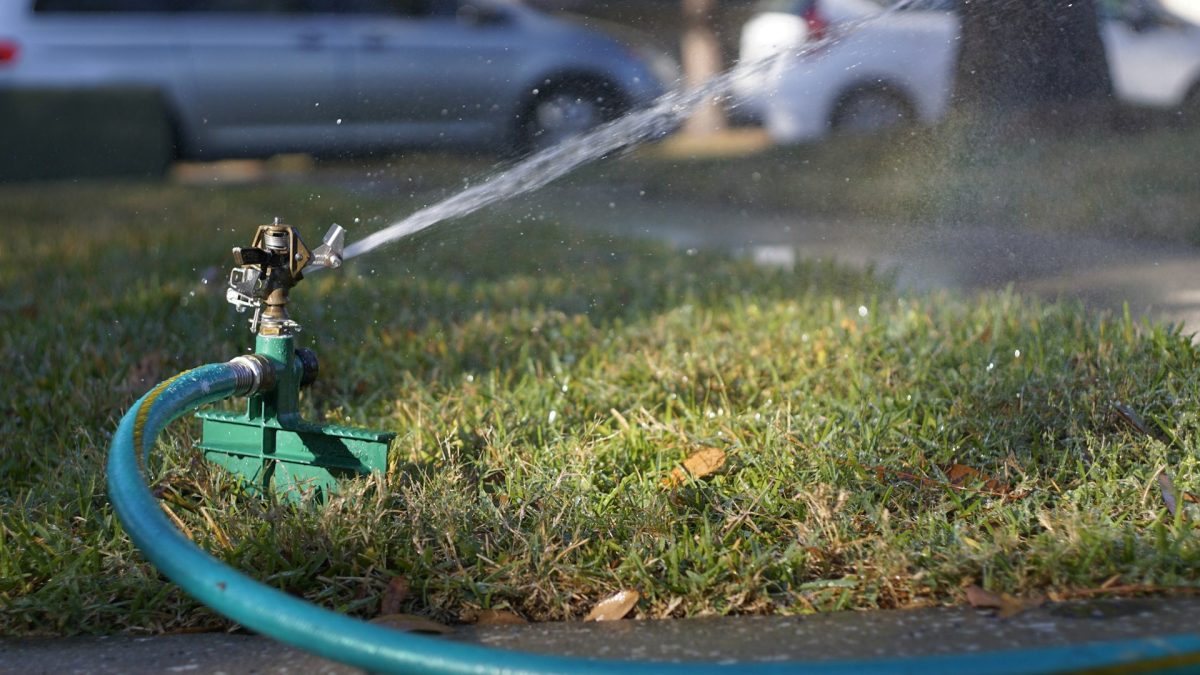
Saving money on gardening does not require complicated science, just observation and patience. Adjust sprinkler timers to shorter cycles during early spring. Many landscapes thrive with watering once every three to five days instead of daily soaking sessions. Watering early morning hours reduces wind evaporation and gives soil time to absorb moisture before daytime warmth arrives.
Rain sensors attached to sprinkler systems help prevent unnecessary watering during storms. Installing such sensors costs less than repairing water damage caused by saturated soil beds or fungus outbreaks. Consider grouping plants with similar moisture needs together inside garden zones. Some flowers enjoy slightly wetter ground, while drought-tolerant plants prefer drier soil.
Let Nature Wake the Garden Up Slowly
Early spring gardening works best when people respect seasonal rhythm rather than rushing growth. March sits between winter rest and summer activity, so plants move carefully from dormancy into expansion. Pouring too much water during this transition wastes money and sometimes weakens plant immunity.
Smart landscape care focuses on balance. Soil should stay comfortably moist but never feel flooded. Watering systems should support plants rather than replace rainfall. Watching weather patterns, testing soil, and reducing unnecessary irrigation protect both plants and wallets.
What small watering change will make the biggest difference in your garden this March? Let’s talk about it below.
You May Also Like…
March Watering Mistakes That Can Raise Your Bills
The Hidden Dangers of Overwatering in Cooler Months
March Watering Mistakes That Can Raise Your Bills
The Watering Habit That’s Quietly Killing Your Plants (Experts Are Begging Gardeners to Stop)
Stormwater Experts Say This Landscaping Trend Is Flooding Basements

Brandon Marcus is a staff writer for FrugalGardening.com at District Media, Inc., where he delivers practical gardening advice with a relatable, no-nonsense style. An avid amateur gardener, he holds a BA degree and with over ten years of professional writing experience, he is also an award-winning published author whose first book, Questions For Deep Thinkers, was released by Adams Media. His work has appeared in major publications including Fandom.com, CHUD.com, TheColdWire.com, and Fansided.com.
Leave a Reply