
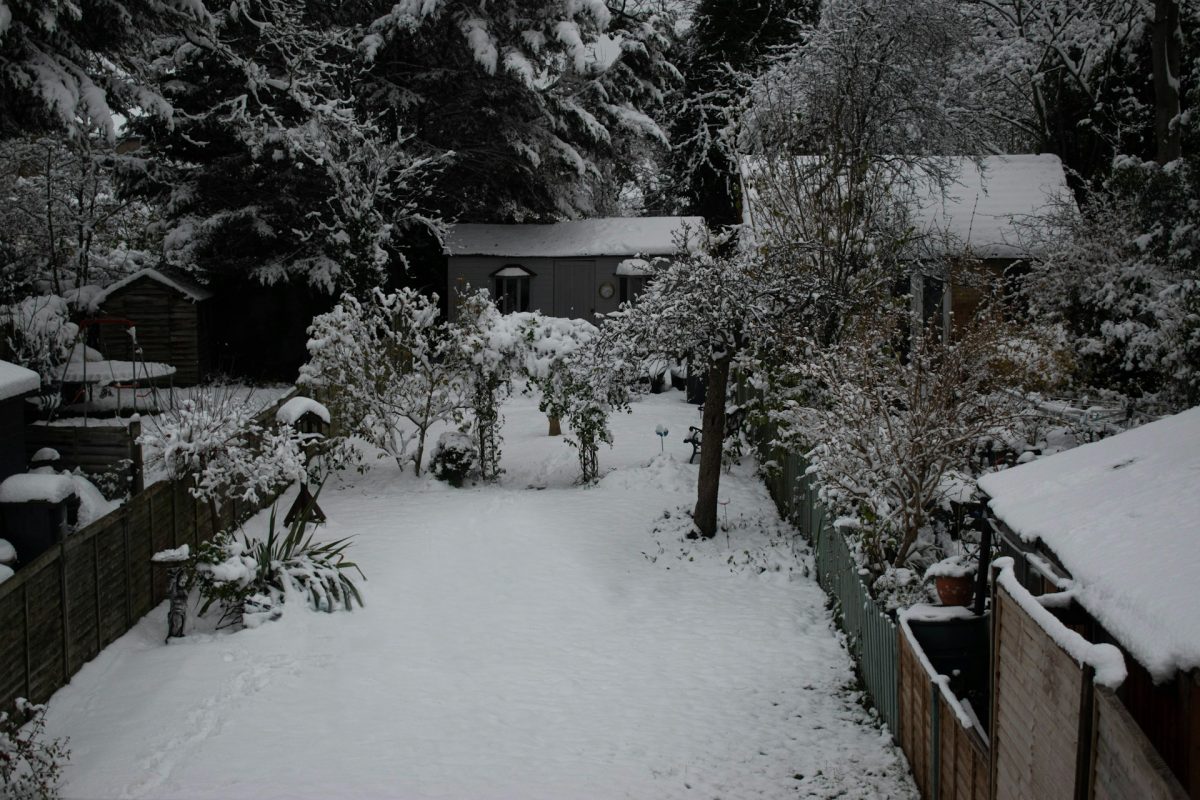
Snow does not care how charming a backyard project looks on social media. It stacks up, it weighs a shocking amount, and it crushes anything that cannot carry the load. Across colder regions, flimsy DIY cold frames have started to cave in under winter snow, smashing tender plants and, in some cases, injuring the very people who built them. The problem does not come from gardening ambition. It comes from underestimating physics.
Cold frames serve a simple and brilliant purpose: they trap solar heat and protect crops from frost, extending the growing season without the cost of a full greenhouse. Gardeners often build them with scrap lumber, old windows, or lightweight plastic panels. The idea feels approachable and resourceful. But when snow piles up, those well-meaning designs reveal serious flaws.
The Weight of Winter Is Not a Guessing Game
Snow might look fluffy and harmless, but it carries real mass. Fresh, dry snow can weigh around 3 to 7 pounds per cubic foot. Wet, heavy snow can climb to 20 pounds per cubic foot or more. That difference matters. A few inches of wet snow on a flat cold frame lid can translate into hundreds of pounds pressing straight down on thin wood, aging window glass, or lightweight polycarbonate panels.
Many DIY designs feature flat tops because they look simple and easy to build. Flat surfaces, however, invite snow to settle and stay put. Without a steep pitch, snow does not slide off. It accumulates, compresses, and turns into a solid slab. When temperatures fluctuate and snow melts slightly before refreezing, that slab becomes even denser and heavier.
Gardeners sometimes assume that if a cold frame survives one winter storm, it will survive the next. That assumption ignores variability. One storm might bring light powder. The next could dump wet snow followed by freezing rain. A structure that holds up in mild conditions can fail dramatically when a heavier system rolls through.
Where DIY Designs Go Wrong
The most common weak point in DIY cold frames lies in the lid. Builders often reuse old single-pane windows because they fit the concept perfectly: clear, hinged, and inexpensive. Yet many of those windows lack the structural strength to handle sustained pressure from snow. Glass can crack without warning, and shattered panes create sharp hazards.
Another issue involves underbuilt frames. Thin boards, minimal bracing, and widely spaced screws might hold everything together during fall and early winter. When snow load increases, those joints begin to flex. Wood bows, screws pull loose, and the entire structure can collapse inward. That collapse can trap hands or cause someone to fall while attempting to clear snow.
Poor anchoring also creates problems. Some gardeners simply set cold frames on top of soil without securing them to the ground. High winds combined with snow weight can shift the frame, twist it out of square, and weaken connections. Once the structure shifts, it loses stability and becomes more likely to fail under pressure.
Injuries Happen Faster Than Expected
When a cold frame collapses, the immediate loss of plants often grabs attention. However, injuries deserve equal concern. Gardeners frequently brush snow off lids with gloved hands or lean over frames to inspect crops. If a weakened lid gives way during that moment, broken glass or splintered wood can cause cuts and bruises.
Clearing snow from a low structure also encourages awkward posture. Reaching, bending, and twisting on icy ground increases the risk of slipping. If a person braces against the frame for support and the structure shifts or breaks, a simple task can turn into a fall.
In some cases, gardeners attempt to prop up sagging lids with makeshift supports after heavy snowfall. That quick fix might hold temporarily, but without proper reinforcement, the structure remains compromised. When the next storm hits, that patched frame can fail again, sometimes more violently than before.
Smart Design Choices That Actually Work
A strong DIY cold frame begins with a sloped lid. A noticeable angle encourages snow to slide off rather than settle. Even a moderate pitch dramatically reduces accumulation. Builders who prioritize slope over a perfectly flat aesthetic protect both plants and structures.
Material choice matters just as much. Double-wall polycarbonate panels offer better impact resistance than old glass windows and provide insulation as well. Thicker lumber for the frame, combined with solid corner joints and adequate bracing, increases overall strength. Screws should penetrate deeply into structural members rather than skim the surface.
Spacing support beams closer together under the lid distributes weight more evenly. Instead of relying on one large pane across a wide span, dividing the top into smaller sections reduces stress on each panel. Hinges should feel sturdy and attach securely, not wobble with light pressure.
Anchoring the frame to the ground prevents shifting during storms. Stakes, ground anchors, or secure attachment to a raised bed frame help the structure remain square and stable. Stability under wind complements strength under snow load.
Climate Matters More Than Aesthetic
Cold frame designs that thrive in mild coastal climates may struggle in regions with heavy snowfall. Borrowing a design from a gardening blog without adjusting for local conditions invites trouble. Snow load requirements vary widely by region, and while residential building codes address roofs, backyard structures often fall outside formal regulation. That gap does not erase physics.
Gardeners who live in areas prone to heavy snow should think more like shed builders than hobby crafters. Reinforcement, slope, and durable materials should take priority over appearance. A sleek, minimal frame might look appealing in October, but strength becomes the real beauty standard in January.
Some gardeners decide to disassemble lightweight cold frames before deep winter arrives, storing them until late winter or early spring. That approach eliminates snow load risk entirely. Others choose to upgrade to small hoop houses with flexible plastic coverings that shed snow more easily. Each yard and climate calls for its own solution.
A Cold Frame Should Extend Seasons, Not Create Emergencies
A well-built cold frame offers real advantages. It protects leafy greens from frost, encourages earlier spring planting, and reduces dependence on grocery stores during colder months. However, no harvest justifies a structure that cannot withstand the environment around it.
Before the next storm arrives, inspect existing cold frames with a critical eye. Look for bowing wood, loose hinges, or hairline cracks in panels. Consider whether the lid encourages snow to slide or invites it to sit. Ask whether the frame could support several inches of wet, heavy accumulation without strain.
What changes might strengthen that backyard cold frame before the next heavy snowfall rolls in? If you have some cold frame advice to share, make sure that you do so in our comments.
You May Also Like…
Do You Need a Cold Frame to Grow in December?
9 Late-Season Seedlings That Work in Cold Frames
Cold Frame Magic: How to Keep Growing Fresh Veggies Through Winter
14 Cold-Frame Upgrades That Extend Your Growing Season
Experts Say These Indoor Greenhouses Are Failing Seedlings in Cold Snaps

Brandon Marcus is a staff writer for FrugalGardening.com at District Media, Inc., where he delivers practical gardening advice with a relatable, no-nonsense style. An avid amateur gardener, he holds a BA degree and with over ten years of professional writing experience, he is also an award-winning published author whose first book, Questions For Deep Thinkers, was released by Adams Media. His work has appeared in major publications including Fandom.com, CHUD.com, TheColdWire.com, and Fansided.com.
Leave a Reply