
A well‑designed garden doesn’t just look beautiful—it works for you. It saves time, conserves water, reduces maintenance, and makes every hour you spend outside feel more rewarding.
The secret isn’t having a massive yard or a professional landscaper on speed dial. It’s about designing your space with intention, understanding how plants behave, and making choices that support long‑term ease rather than short‑term impulse. If you’ve ever dreamed of a garden that practically runs itself, these eight efficiency‑boosting strategies will help you get there.
1. Start With a Layout That Matches How You Actually Use Your Yard
Before planting anything, take a moment to think about how you move through your outdoor space. Efficient gardens are designed around real habits, not idealized versions of them. If you always walk the same path to the shed, consider turning that route into a defined walkway instead of fighting it.
Grouping plants with similar needs together—like sun‑lovers in one area and shade‑seekers in another—also makes watering and maintenance far easier. When your layout reflects your natural flow, you’ll spend less time backtracking and more time enjoying the space.
2. Choose Plants That Thrive With Minimal Fuss
One of the easiest ways to create an efficient garden is to choose plants that naturally thrive in your climate and soil. Native plants are often the best candidates because they’re adapted to local conditions and typically require less water, fertilizer, and pest control.
Perennials also offer long‑term payoff since they return year after year without replanting. When you select plants that don’t need constant attention, you reduce your workload dramatically. It’s a simple shift that pays off every season.
3. Use Mulch Like It’s Your Garden’s Best Friend
Mulch is one of the most powerful tools for creating an efficient garden. It helps retain moisture, suppress weeds, regulate soil temperature, and improve soil structure over time. A thick layer around your plants means less watering, fewer weeds to pull, and healthier roots.
Organic mulches like shredded bark, leaves, or compost also break down slowly, enriching the soil as they decompose. If you want a garden that practically maintains itself, mulch is a must‑have.
4. Install Smart Irrigation That Works While You Relax
Watering can be one of the most time‑consuming parts of gardening, but efficient irrigation systems change everything. Drip irrigation delivers water directly to the roots, reducing waste and preventing evaporation. Timers ensure your plants get consistent moisture without you having to remember a schedule.
Even simple soaker hoses can make a huge difference in both water use and effort. When your watering system is automated or streamlined, you free up time and reduce the risk of over‑ or under‑watering.
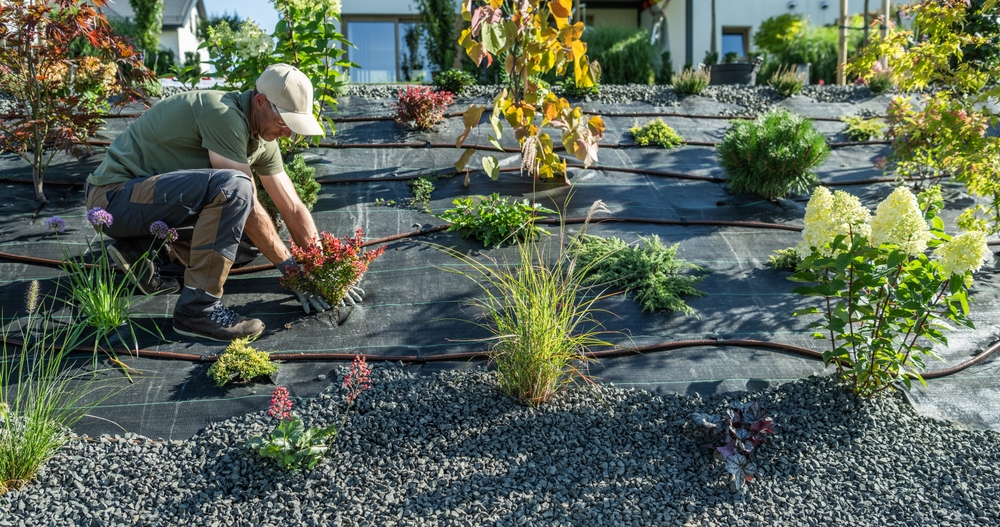
5. Create Zones Based on Sun, Soil, and Water Needs
Efficient gardens are organized in a way that makes sense for the plants living in them. Creating zones based on sun exposure, soil type, and water needs helps you avoid constant adjustments. For example, grouping drought‑tolerant plants together allows you to water that area less frequently.
Placing moisture‑loving plants in naturally damp spots reduces the need for supplemental watering. When your garden is zoned thoughtfully, maintenance becomes far more predictable and manageable.
6. Build Raised Beds to Simplify Planting and Care
Raised beds offer a long list of benefits that make gardening easier and more efficient. They improve drainage, warm up faster in spring, and allow you to control soil quality more precisely. They also reduce bending and kneeling, which makes planting, weeding, and harvesting more comfortable. Because raised beds are contained, they help keep weeds at bay and make it easier to rotate crops each year. If you want a garden that’s both productive and low‑maintenance, raised beds are a smart investment.
7. Add Pathways That Keep You From Trampling Your Hard Work
A garden without clear pathways often leads to compacted soil, damaged plants, and frustration. Adding defined walkways—whether gravel, stepping stones, or mulch—helps you move through your garden without disturbing delicate areas.
Pathways also make maintenance easier by giving you access to every part of your garden without stretching or stepping where you shouldn’t. When your garden is easy to navigate, you’ll find yourself spending more time enjoying it and less time repairing accidental damage.
8. Use Vertical Space to Maximize Efficiency in Small Areas
Vertical gardening isn’t just trendy—it’s incredibly efficient. Trellises, arbors, and wall‑mounted planters allow you to grow more in less space while improving airflow around plants. Vining crops like cucumbers, beans, and squash thrive when given room to climb, and vertical structures make harvesting easier.
Vertical gardening also reduces the risk of soil‑borne diseases by keeping foliage off the ground. Whether your yard is large or small, using vertical space helps you get more out of every square foot.
The Secret to an Efficient Garden: Design With Purpose
An efficient garden doesn’t happen by accident. It’s the result of thoughtful planning, smart plant choices, and a willingness to work with nature instead of against it. When you design your garden with purpose, you create a space that’s easier to maintain, more enjoyable to spend time in, and far more sustainable in the long run. Efficiency isn’t about cutting corners—it’s about making choices that support a healthier, more harmonious outdoor space.
What’s one change you’re planning to make to improve your garden’s efficiency this year? How do you plan to spruce up your garden in the months ahead? Tell us about it in the comments.
You May Also Like…
Design a Winter Garden That Looks Just as Good Without Flowers
How to Redesign Your Bulb Garden After This Year’s Mistakes
Why Some Cities Are Cracking Down on Front Yard Vegetable Gardens Again
The Hidden Benefits of Bare Branches — How Sunlight Changes Your Garden Layout
7 Garden Layout Ideas That Fix Common Mistakes Instantly

Brandon Marcus is a staff writer for FrugalGardening.com at District Media, Inc., where he delivers practical gardening advice with a relatable, no-nonsense style. An avid amateur gardener, he holds a BA degree and with over ten years of professional writing experience, he is also an award-winning published author whose first book, Questions For Deep Thinkers, was released by Adams Media. His work has appeared in major publications including Fandom.com, CHUD.com, TheColdWire.com, and Fansided.com.
Leave a Reply