Across the Carolinas, many HOAs have been updating their landscaping and exterior‑appearance guidelines, and homeowners are discovering that some very common garden features are now restricted or require approval. These changes aren’t random — they’re usually tied to curb‑appeal standards, maintenance expectations, or uniformity goals. But that doesn’t make them any less surprising.
Let’s dig into the garden features that are increasingly landing on HOA “nope” lists — and what you can do to stay on the right side of the rulebook.
1. Decorative Lawn Ornaments That “Disrupt the Aesthetic Harmony”
HOAs love the word harmony, and they use it often when regulating lawn décor. Items like whimsical statues, colorful figurines, oversized planters, and themed yard decorations are being restricted more frequently. The concern is usually visual consistency — too many decorative items can make a neighborhood look cluttered or mismatched.
If you’re a fan of garden personality, check your community’s approved décor list or ask for written permission before adding anything new. A quick email can save you from having to relocate your beloved flamingo family.
2. Front‑Yard Vegetable Gardens That Break the “Ornamental Only” Rule
Vegetable gardens are having a moment, but many HOAs still prefer them tucked away in backyards. Front‑yard edible gardens are often restricted because they can look less uniform than ornamental landscaping. Concerns may include maintenance, wildlife attraction, or overall neighborhood appearance.
If you’re dreaming of homegrown tomatoes, consider container gardening or mixing edible plants into decorative beds. Many HOAs allow these options even when full vegetable plots aren’t permitted.

3. Solar Lights That Are Too Bright, Too Colorful, or Too Numerous
Solar pathway lights are popular, but some HOAs have begun limiting brightness, color temperature, and placement. The goal is usually to prevent light pollution or avoid decorative lighting that stands out too much from neighboring homes.
If you love a well‑lit walkway, choose warm, subtle lights and avoid flashing or color‑changing options. When in doubt, keep it soft and simple.
4. Large Trellises, Arbors, and Garden Structures
Trellises, pergolas, and arbors can transform a garden, but they’re also considered structures — and structures often require HOA approval. Some communities restrict height, color, or placement, while others require these features to match the home’s exterior style.
When planning a climbing‑rose archway worthy of a magazine cover, check your guidelines first. Many HOAs allow these features but want to approve the design before installation.
5. Rain Barrels and Water Collection Systems Visible From the Street
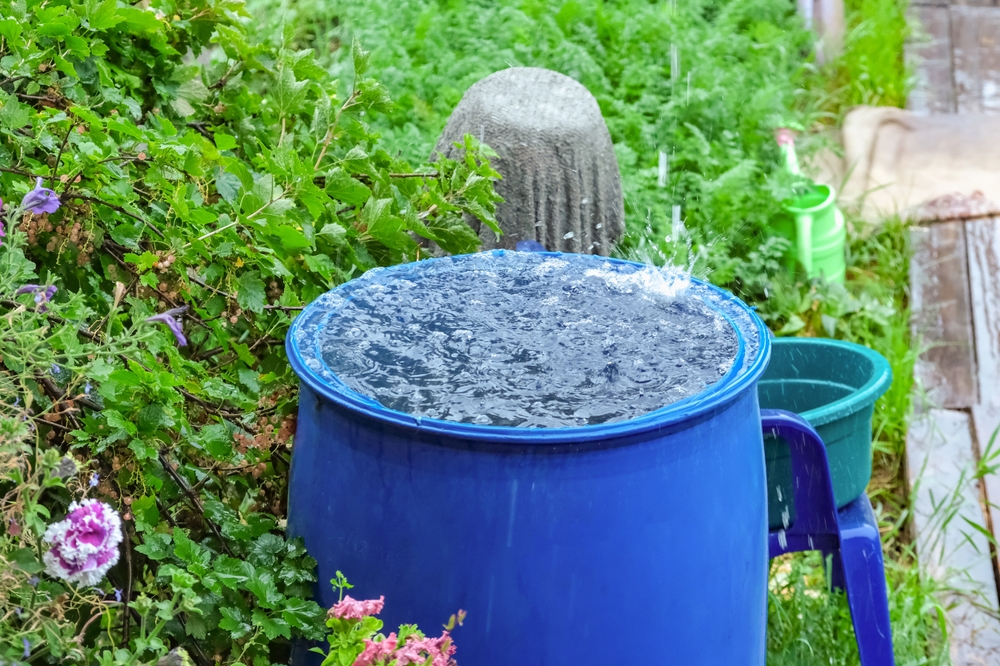
Rain barrels are environmentally friendly, but not all HOAs love the look of them. Some communities restrict visible water‑collection systems due to concerns about appearance or placement. Others require them to be screened or painted to match the home.
Want to conserve water without violating rules? Look for HOA‑approved barrel designs or ask whether screening options are acceptable.
6. Mulch Colors Outside the Approved Palette
It may sound surprising, but mulch color is one of the most commonly regulated landscaping details. Many HOAs specify approved colors — typically natural browns or blacks — to maintain a cohesive look. Bright red mulch, rubber mulch, or decorative stones may be restricted.
Before refreshing your beds, check your guidelines. Choosing an approved mulch color is one of the easiest ways to stay compliant.
7. Bird Feeders and Wildlife Attractants
Bird feeders seem harmless, but some HOAs restrict them due to concerns about attracting wildlife like squirrels, raccoons, or larger animals. Others worry about seed debris creating maintenance issues or affecting neighboring yards.
If you love feeding birds, consider placing feeders in less visible areas or using designs that minimize mess. Some HOAs allow feeders as long as they’re not visible from the street.
8. Potted Plants on Railings, Steps, or Shared Walkways
Potted plants are usually allowed, but placement matters. Some HOAs restrict pots on porch railings, shared walkways, or steps due to safety concerns or uniformity rules. Others limit the number or size of pots visible from the street.
If you’re a container‑garden enthusiast, keep your pots on approved surfaces and choose colors that blend with your home’s exterior.
9. Decorative Fencing or Edging Around Garden Beds
Even small decorative fences around flower beds or vegetable gardens can be restricted if they don’t match approved materials, heights, or colors. Some HOAs worry about mismatched fencing creating a patchwork look, while others focus on safety or maintenance concerns.
Before installing any border fencing, review your HOA’s architectural guidelines. Many communities require pre‑approval even for low‑profile garden edging.
Why These Rules Keep Changing — And How Homeowners Can Stay Ahead
HOA rules evolve for many reasons: neighborhood growth, maintenance concerns, safety updates, or simply a desire to keep the community looking cohesive. While the changes can feel frustrating, especially for gardeners who love personal expression, most HOAs allow homeowners to request exceptions or submit proposals for new features.
The smartest move is always the simplest one: check before you plant. A quick review of your HOA guidelines — or a friendly email to the board — can save you time, money, and a whole lot of landscaping heartbreak.
What’s the most surprising HOA landscaping rule you’ve ever encountered, and how did you handle it? Tell your tales in the comments below.
You May Also Like…
New HOA Crackdowns Are Targeting Backyard Gardens in 2026
9 Reasons Your Lawn Might Be Violating HOA Rules
Wildlife Officials Say This Popular Bird Feeder Setup Is Spreading Disease
The Pest That’s Wiping Out Backyard Tomatoes in Georgia — And How to Stop It Cheaply
New HOA Rules That Are Changing How People Garden in 2026

Brandon Marcus is a staff writer for FrugalGardening.com at District Media, Inc., where he delivers practical gardening advice with a relatable, no-nonsense style. An avid amateur gardener, he holds a BA degree and with over ten years of professional writing experience, he is also an award-winning published author whose first book, Questions For Deep Thinkers, was released by Adams Media. His work has appeared in major publications including Fandom.com, CHUD.com, TheColdWire.com, and Fansided.com.
Leave a Reply