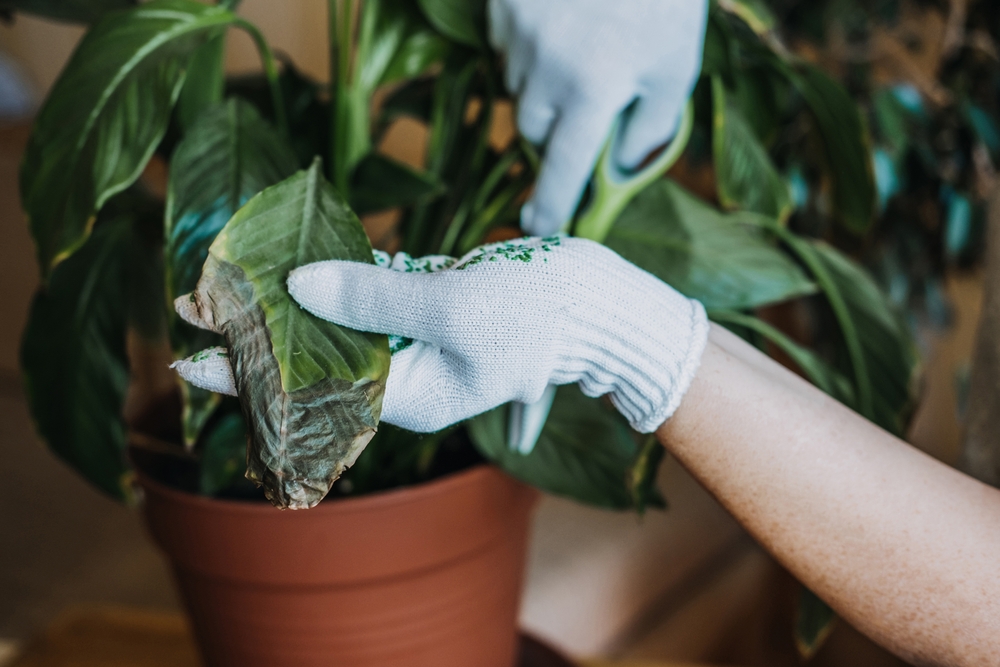
Houseplants rarely “randomly” fail—they usually whisper for weeks before they crash. The trick is spotting the early warnings so you can fix the real issue instead of swapping in more water, more fertilizer, and more panic. Most problems come down to a few basics: light, water timing, airflow, and roots that can actually breathe. Once you learn what to look for, those red flags start feeling more like a helpful dashboard than a guilt trip. Here are the most common distress signals and the frugal moves that can turn things around fast.
1. Red Flags: Soil That Stays Soggy And Smells Off
If the pot feels heavy days after watering and the soil smells funky, roots may be drowning. Slide the plant out gently and look for dark, mushy roots instead of firm, pale ones. Trim the worst roots with clean scissors and repot into a container with drainage using fresh, airy mix. If you’re on a budget, add perlite, bark, or coarse coco chips to a basic mix to improve airflow. Then water only when the top inch or two is dry, not when the calendar says so.
2. Yellow Leaves That Spread From The Bottom Up
A couple of older leaves fading is normal, but widespread yellowing is one of the clearest red flags. Overwatering is the usual culprit, especially when leaves feel soft and the soil stays damp. Underwatering can also cause yellowing, but the leaves typically crisp and drop after the plant dries hard. Check moisture with a finger test or a cheap wooden skewer before you water again. Adjust your routine, then give the plant a week to respond before changing three more things.
3. Brown Tips And Crispy Edges That Keep Returning
Brown tips can be cosmetic, but repeated crisping is one of those red flags you shouldn’t ignore. Dry indoor air, inconsistent watering, and salt buildup from fertilizer or tap water are common causes. Start by trimming only the dead edges, then water deeply so excess drains out instead of pooling in the pot. If you suspect salts, flush the soil with plain water once a month and empty the saucer afterward. You can also switch to collected rainwater or filtered water for sensitive plants without buying special products.
4. Drooping Leaves Even After You Water
When a plant droops, it’s tempting to water again, but that habit turns small red flags into big problems. Droop can mean thirst, but it can also mean roots can’t absorb water because they’re rotting or compacted. Feel the soil and lift the pot; a heavy pot usually means water is already sitting where it shouldn’t. If the soil is wet, skip watering and improve airflow with a small fan or a slightly brighter spot. If the soil is dry, water thoroughly once, then don’t repeat until the pot lightens again.
5. Leggy Growth And Leaves Reaching Toward One Window
Long stems, wide gaps between leaves, and a plant that leans hard are classic red flags for low light. Rotate the pot a quarter turn weekly so the plant grows evenly instead of stretching in one direction. Move it closer to a bright window, or give it a few hours of supplemental light if you already own a lamp. Prune back the leggy parts to encourage bushier growth, and root the cuttings in water to make a free second plant. If you’re buying anything, start with a simple LED bulb rather than a pricey “plant light” setup.
6. Sticky Leaves, Tiny Webs, Or Speckled Fading
Pests often show up quietly, and those subtle red flags can be easy to miss until damage spreads. Check leaf undersides and stems for fine webbing, cottony spots, or tiny moving dots. Isolate the plant, rinse it in the shower, and wipe leaves with a damp cloth to physically remove pests. Follow up with a simple soap-and-water spray (a tiny drop of mild soap in water) and repeat every few days for two weeks. Consistency matters more than fancy products, so stick with the routine until you stop seeing new signs.
7. White Crust On Soil Or A Plant That “Burns” After Feeding
A white crust on the soil surface often signals mineral and fertilizer salts, and it’s one of the red flags that creeps up slowly. Too much feeding can scorch roots, brown leaf edges, and stall growth even if you’re doing everything else right. Scrape off the top half-inch of crusty soil and replace it with fresh mix if you can. Then flush the pot with water until it drains freely, letting salts wash out instead of collecting. Going forward, feed at half strength during active growth and skip fertilizer entirely when the plant is resting.
The Fast Reset That Gets Plants Back On Track
When your plant looks rough, slow down and change one variable at a time. Start with the basics: confirm drainage, confirm moisture, and confirm the plant has enough light for its type. Clean the leaves, check for pests, and remove dead material so the plant can focus on recovery. After that, give it seven to 10 days before making another major change, because plants don’t bounce back overnight. A calm, consistent routine usually rescues more houseplants than any new bottle or gadget.
Which of these signs shows up most often in your home, and what’s one fix that’s worked for you?
What to Read Next…
Experts Say This Winter Habit Is Causing Houseplants to Drop Leaves
7 Houseplants That Hate Dry Winter Heat and What to Do
Why Gardeners Are Falling in Love With Unusual Houseplants This Year
10 Houseplants That Clean the Air Better Than Purifiers
Experts Say Houseplant Soil Mix Is Causing Gnat Infestations

Catherine is a tech-savvy writer who has focused on the personal finance space for more than eight years. She has a Bachelor’s in Information Technology and enjoys showcasing how tech can simplify everyday personal finance tasks like budgeting, spending tracking, and planning for the future. Additionally, she’s explored the ins and outs of the world of side hustles and loves to share what she’s learned along the way. When she’s not working, you can find her relaxing at home in the Pacific Northwest with her two cats or enjoying a cup of coffee at her neighborhood cafe.
Leave a Reply