
The mailbox used to be the most exciting place for a Texas gardener in winter. Glossy seed catalogs promised perfect tomatoes, flawless zinnias, and harvests so abundant they bordered on fantasy. This year, though, something wild is happening across the Lone Star State. Those catalogs are piling up unopened, while gardeners are busy doing something far more hands-on, local, and surprisingly rebellious.
Between scorching summers, unpredictable freezes, and rising costs, Texas growers are rewriting the rules of how gardens begin—and the results are bold, practical, and deeply rooted in community.
Climate Reality Is Changing How Texans Grow
Texas weather has never been shy, but lately it has been downright dramatic. Gardeners have watched tender seedlings struggle through record heat waves, sudden cold snaps, and long dry stretches that laugh in the face of traditional planting schedules. Many seeds bred for milder climates simply don’t perform well under these extremes, no matter how beautiful they look in a catalog photo.
After a few seasons of disappointment, growers are choosing plants with proven local toughness over pretty promises on paper. They want varieties that can handle clay soil, blazing sun, and the occasional surprise freeze without throwing in the towel. That shift toward realism has made distant seed catalogs feel less relevant than ever.
Local Nurseries Are Becoming The New Headquarters
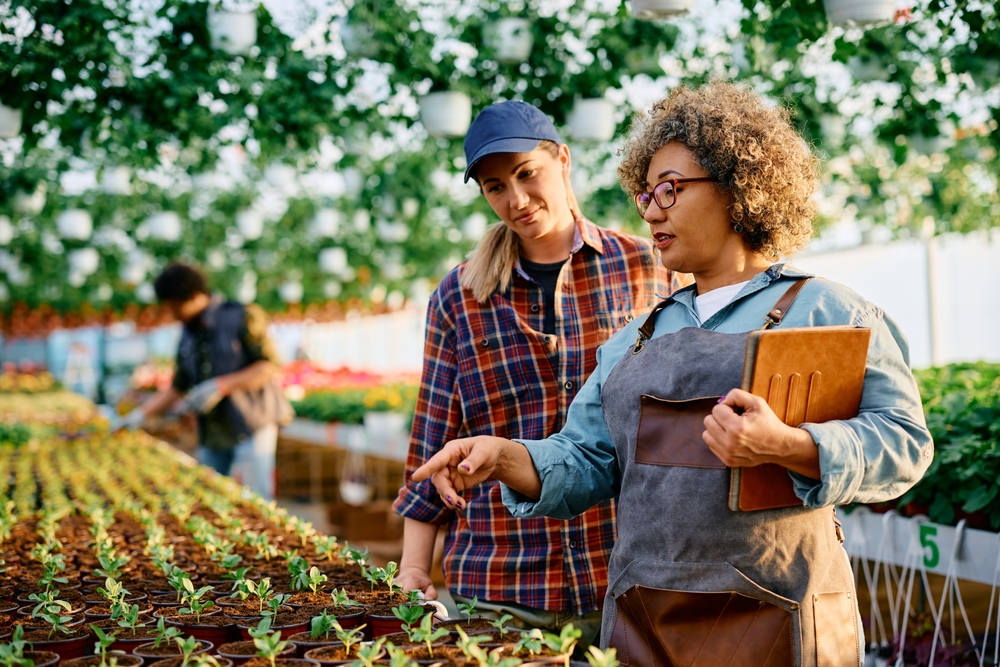
Instead of flipping pages, Texas gardeners are walking into neighborhood nurseries with notebooks and questions. These shops are stocked with plants already acclimated to regional conditions, which gives gardeners a huge head start. Employees often know exactly which pepper survived last August or which tomato handled erratic spring temperatures without sulking.
That kind of real-world knowledge can’t be printed in a catalog. Gardeners also get to inspect plants up close, checking root health and vigor before buying. The result is fewer losses, stronger gardens, and a renewed appreciation for local expertise.
Seed Swaps And Plant Trades Are Exploding
Across Texas towns and suburbs, seed swaps have quietly become social events. Gardeners bring saved seeds, cuttings, and divisions from plants that thrived in their own yards. These exchanges are lively, generous, and packed with local wisdom. Someone might hand over okra seeds with a tip about spacing for extreme heat, while another offers native wildflower seeds collected after a strong bloom year. The plants passed around have already proven they can survive Texas conditions, which makes them far more reliable than unfamiliar catalog varieties. Plus, seed swaps cost little to nothing, a welcome relief in an era of rising prices.
Native Plants Are Stealing The Spotlight
Native plants are no longer just for restoration projects or wild areas. Texas gardeners are embracing them for home landscapes, vegetable-adjacent beds, and pollinator gardens. These plants evolved alongside Texas weather patterns, meaning they require less water, less pampering, and fewer inputs overall.
Gardeners are discovering that native sunflowers, milkweeds, salvias, and grasses can be just as stunning as imported varieties. They also support local bees, butterflies, and birds, turning gardens into buzzing ecosystems. Once gardeners see how effortlessly natives perform, the allure of ordering fragile exotics from a catalog fades fast.
Social Media Is Replacing Glossy Pages
Instead of seed catalogs, many Texas gardeners now scroll through local gardening groups online. These spaces are filled with real photos, honest failures, and hard-earned successes from people gardening just a few miles away. A post about surviving a brutal summer or protecting plants during a rare freeze carries more weight than a polished marketing blurb. Gardeners can ask questions and get immediate feedback from others dealing with the same soil, pests, and weather patterns. The information is current, practical, and often funny, making it far more engaging than static catalog descriptions.
Starting From Cuttings And Divisions Is Gaining Ground
Why start from seed when you can start with something that’s already thriving? Texas gardeners are increasingly propagating plants from cuttings, divisions, and volunteers that pop up naturally. This approach shortens the time to harvest or bloom and reduces the risk of failure during extreme weather. A rosemary cutting from a friend’s sun-scorched yard or a divided perennial that survived multiple summers feels like a safe bet. These plants come with a known track record, which builds confidence and momentum in the garden. Over time, gardens become collections of proven survivors rather than experiments.
Cost And Sustainability Are Driving Decisions
Seed catalogs can be tempting, but they add up quickly. Between shipping costs and specialty varieties, a single order can strain a budget. Texas gardeners are becoming more intentional, choosing methods that save money and reduce waste. Saving seeds, trading plants, and buying locally cut down on packaging and transportation. Gardens built this way feel more personal and sustainable, reflecting both environmental awareness and practical economics. The satisfaction of growing something without relying on a catalog is proving hard to beat.
A Homegrown Garden Movement
Texas gardeners aren’t abandoning seeds altogether; they’re redefining where those seeds come from and how gardens begin. By leaning into local knowledge, native plants, and community connections, they’re building gardens that are tougher, more resilient, and more rewarding. This shift feels less like a trend and more like a return to common sense with a modern twist.
If you’ve noticed changes in how you garden or tried a new approach this year, the comments section below is the perfect place to add your voice and stories.
You May Also Like…
Surprising Benefits of Growing Your Own Food
The Winter Vegetable Garden Hack That Southern Gardeners Swear By
Is Mulching Early a Smart Money-Saving Move?
How Can You Make Your Home More Accommodating For A New Plant?
5 Reasons Asian Lady Beetles Are Swarming Georgia

Brandon Marcus is a staff writer for FrugalGardening.com at District Media, Inc., where he delivers practical gardening advice with a relatable, no-nonsense style. An avid amateur gardener, he holds a BA degree and with over ten years of professional writing experience, he is also an award-winning published author whose first book, Questions For Deep Thinkers, was released by Adams Media. His work has appeared in major publications including Fandom.com, CHUD.com, TheColdWire.com, and Fansided.com.
Leave a Reply