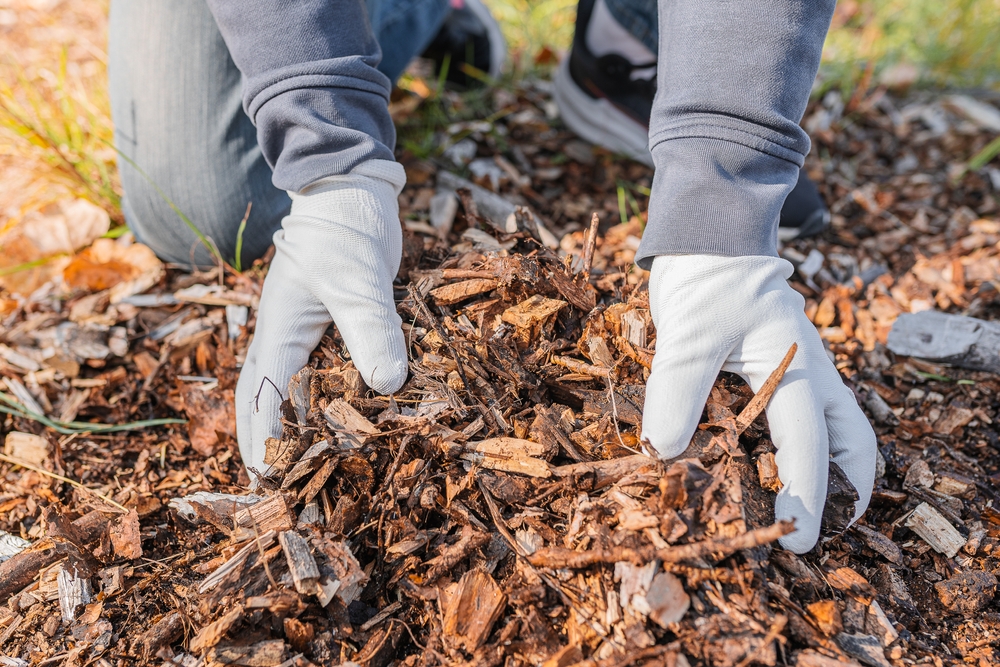
Winter gardening in the Carolinas is suddenly breaking the rules, and it’s making backyard conversations a lot more interesting. Longtime gardeners who once swore by thick layers of winter mulch are quietly pushing the wheelbarrow aside and trying something different. This isn’t a lazy shortcut or a cost-cutting trick—it’s a calculated move shaped by changing weather patterns, soil science, and a growing understanding of what plants actually need during Southern winters.
From coastal gardens to Piedmont backyards, this shift is catching attention and stirring debate. Some swear their plants have never looked better, while others are cautiously curious. So what’s behind this surprising trend, and why are experts saying it might actually be smarter gardening?
Why Traditional Winter Mulching Is Losing Favor In The Carolinas
For decades, mulch has been treated like a winter blanket, protecting roots from cold snaps and locking in moisture. In the Carolinas, though, winters are rarely consistent anymore, and that’s changing the equation. Sudden warm spells followed by sharp freezes can turn mulch into a moisture trap rather than a protector. When soil stays too damp for too long, roots may rot, and fungal diseases can thrive beneath that cozy layer.
Another issue is soil temperature confusion. Thick mulch can prevent the soil from cooling naturally, causing plants to break dormancy too early during winter warm-ups. When the inevitable cold returns, those prematurely awakened plants are far more vulnerable to damage. Add in increasingly heavy winter rains, especially in parts of North and South Carolina, and mulch can compact, forming a dense mat that blocks oxygen from reaching roots. These realities are making gardeners question whether winter mulching is still the helpful habit it once was.
What Climate Shifts Mean For Southern Winter Gardens
The Carolinas sit in a climatic crossroads, and recent winters have leaned unpredictable rather than mild or cold. Meteorologists have noted greater temperature swings, more intense rainfall events, and fewer prolonged freezes. For gardens, that means conditions change quickly, sometimes within days. Plants that evolved for gradual seasonal shifts are now dealing with abrupt transitions that traditional practices don’t always address well.
Experts explain that bare or lightly covered soil can actually respond better to these fluctuations. When soil is allowed to dry slightly between rains, roots stay healthier and better oxygenated. Frost heave, which gardeners often fear, is less common in much of the Carolinas due to shallow freeze depth, making heavy mulch less necessary. There’s also a growing emphasis on observing microclimates—areas near foundations, fences, or trees where temperatures stay more stable naturally.
What Experts Recommend Instead Of Mulch This Winter
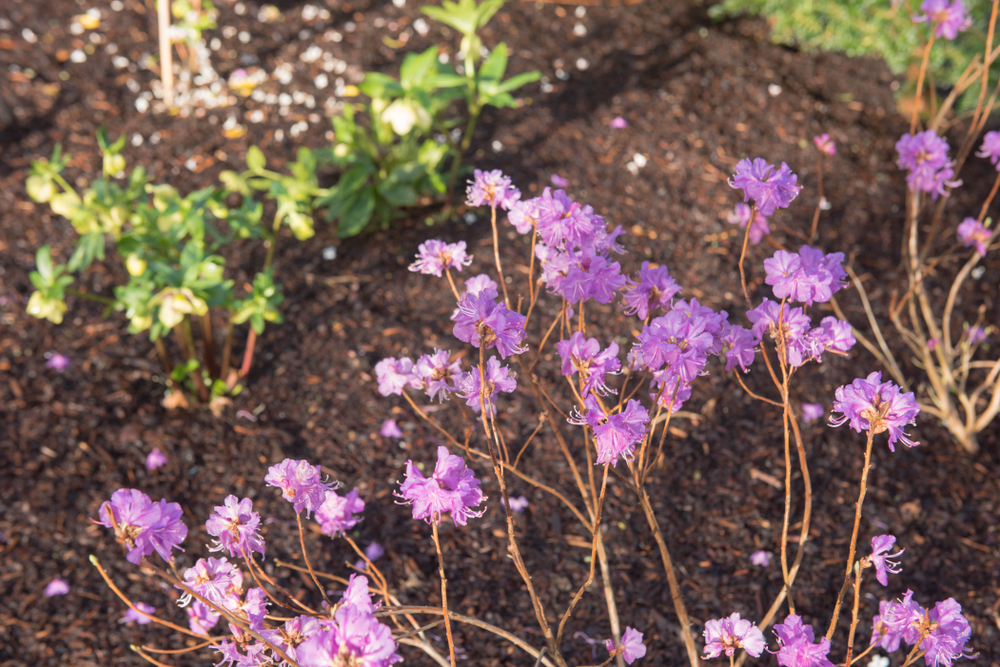
So if mulch is taking a back seat, what’s stepping into the spotlight? Many horticulturists are recommending compost top-dressing instead of thick mulching. A thin layer of finished compost enriches the soil without trapping excess moisture or heat. It feeds beneficial microbes, improves soil structure, and gradually works its way into the ground over winter rains. Unlike mulch, compost doesn’t create a hiding place for pests or form dense mats.
Another popular alternative is leaf litter management rather than removal or shredding. Allowing a light scattering of leaves to remain mimics natural forest floors, offering mild insulation while still letting soil breathe. Experts also emphasize strategic plant grouping, placing cold-sensitive plants in naturally sheltered areas rather than relying on mulch alone. For vegetable gardens, cover crops like clover or winter rye are gaining popularity. These plants protect soil from erosion, improve fertility, and can be turned under in spring, creating healthier beds without the drawbacks of traditional winter mulch.
How Gardeners Are Seeing Results Without Winter Mulch
Gardeners who’ve skipped mulch are reporting some surprising benefits. Many notice fewer issues with root rot and fungal diseases by early spring. Perennials are emerging more evenly, without the patchy growth that sometimes follows winter stress. Soil texture also seems improved, especially in clay-heavy areas where mulch used to stay soggy for weeks.
There’s also less cleanup in spring. Without thick mulch to rake back or redistribute, gardeners can focus sooner on pruning and planting.
A Winter Gardening Shift Worth Talking About
Skipping mulch this winter might feel rebellious, but for many Carolina gardeners, it’s proving to be a thoughtful response to changing conditions. By paying attention to soil health, moisture levels, and local climate quirks, gardeners are finding new ways to protect plants without piling on bark or straw. This approach isn’t about abandoning tradition; it’s about adapting it. Every garden is different, and what works in the mountains may not suit the coast or the Sandhills.
If you’ve experimented with winter gardening methods lately, the comments section below is a great place to add your voice and let others learn from your experience.
You May Also Like…
How Many Times a Month Should You Get Your Grass Cut?
7 Mulch Moves That Prevent Freeze Damage to Roots
Is Mulching Early a Smart Money-Saving Move?
11 Winter Garden Myths That Waste Time and Money
8 Cold-Weather Watering Mistakes That Cause Winter Rot

Brandon Marcus is a staff writer for FrugalGardening.com at District Media, Inc., where he delivers practical gardening advice with a relatable, no-nonsense style. An avid amateur gardener, he holds a BA degree and with over ten years of professional writing experience, he is also an award-winning published author whose first book, Questions For Deep Thinkers, was released by Adams Media. His work has appeared in major publications including Fandom.com, CHUD.com, TheColdWire.com, and Fansided.com.
Leave a Reply