
Gardening may seem like a peaceful hobby, but certain practices have sparked debates among enthusiasts and experts alike. From unconventional methods to environmental concerns, some gardening techniques challenge traditional norms and stir controversy. Understanding these hot topics can help you form your own opinions and make thoughtful choices for your garden. Let’s dive into nine surprisingly contentious gardening practices and explore the reasons behind the debates.
1. Using Chemical Fertilizers
Chemical fertilizers promise quick results, but they’re often criticized for environmental impact. Their runoff pollutes water sources and harms wildlife. Supporters argue they’re effective for maximizing plant growth and yields. Critics advocate for organic alternatives to reduce long-term damage. Choosing eco-friendly options helps balance productivity and sustainability.
2. Planting Non-Native Species
Non-native plants can bring beauty and variety to gardens, but they also pose risks. Invasive species often overpower local flora, disrupting ecosystems. Advocates highlight their resilience and adaptability in different climates. Environmentalists urge gardeners to prioritize native species instead. Researching local plants ensures harmony and biodiversity.
3. Mulching with Plastic
Plastic mulch is popular for preventing weeds and retaining moisture. However, its non-biodegradable nature raises concerns about waste and pollution. Some gardeners appreciate its efficiency and affordability. Opponents prefer biodegradable materials like straw or wood chips. Sustainable mulch choices benefit both gardens and the planet.
4. Practicing Extreme Pruning
Pruning helps plants thrive, but excessive cutting sparks debate. Aggressive techniques can stress plants, affecting their health. Proponents claim it’s necessary for controlling growth and aesthetics. Critics stress the importance of moderation to avoid irreversible damage. Gentle pruning encourages balanced development and vitality.
5. Overwatering Lawns
A lush lawn often requires frequent watering, but excessive irrigation wastes resources. Environmentalists urge conservation-focused methods like drip irrigation. Supporters argue that lawns symbolize pride and curb appeal. Watering schedules should adapt to weather and soil conditions. Striking a balance preserves water and keeps lawns healthy.
6. Using Synthetic Pesticides
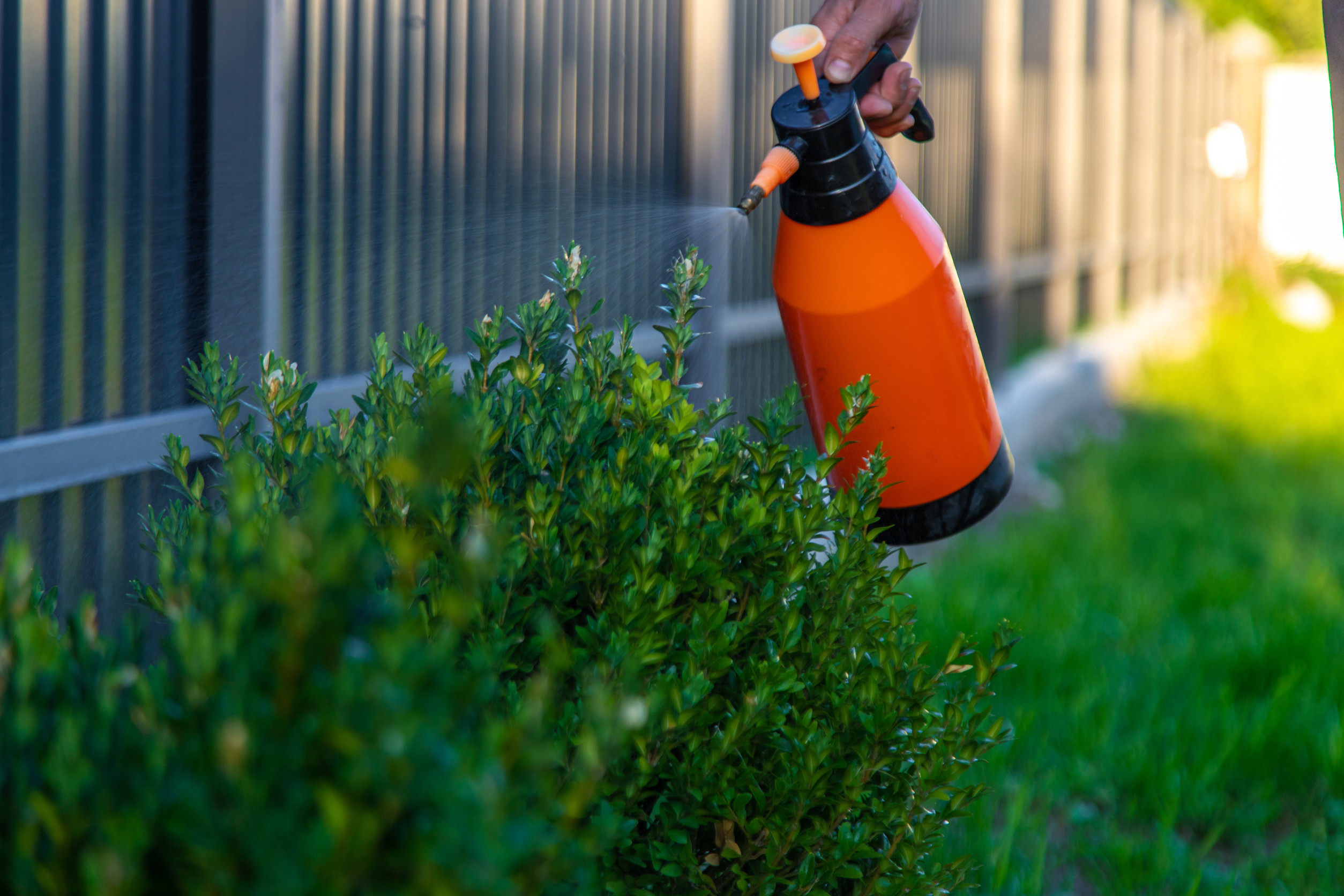
Synthetic pesticides effectively control pests but are controversial for their ecological effects. They harm pollinators like bees and butterflies, impacting food chains. Advocates cite their necessity for large-scale agriculture. Organic pest control alternatives provide safer solutions for garden ecosystems. Avoiding synthetic pesticides supports a sustainable approach.
7. Building Raised Beds
Raised beds improve soil drainage and accessibility for gardeners. However, critics question their impact on traditional landscapes and ecosystems. Proponents value their efficiency, especially for small spaces. Concerns arise about the materials used and long-term soil health. Choosing sustainable designs minimizes disruption while enhancing productivity.
8. Starting Indoor Seedlings
Starting seeds indoors offers controlled conditions for successful germination. Critics argue this limits plants’ natural adaptations to outdoor environments. Supporters appreciate the higher success rates compared to direct planting. Balancing indoor and outdoor methods benefits both plant growth and adaptability. Experimenting with techniques ensures gardening success.
9. Removing All “Weeds”
Weeds are often seen as nuisances, but their removal is debated. Some weeds improve soil health and provide habitats for insects. Supporters of weeding argue it prevents competition with crops. Selective weeding encourages biodiversity while maintaining productive gardens. Understanding each weed’s role helps you make informed decisions.
Cultivating Your Garden, Your Way
Gardening techniques reflect personal values and environmental priorities. Whether you choose synthetic fertilizers, native plants, or raised beds, mindful practices make a difference. Experimenting and researching methods helps you find solutions that align with your beliefs. Thoughtful gardening contributes to sustainability and beauty in every space.
Have you tried any of these controversial gardening techniques? Share your opinions and experiences in the comments below!
Read More:
10 Common Garden Plants That Are Actually Invasive Species
6 Ways Your Garden May Be Breaking the Law Without You Knowing

Tamila McDonald is a U.S. Army veteran with 20 years of service, including five years as a military financial advisor. After retiring from the Army, she spent eight years as an AFCPE-certified personal financial advisor for wounded warriors and their families. Now she writes about personal finance and benefits programs for numerous financial websites.
Leave a Reply