• Skip to primary navigation
  • Skip to main content
  • Skip to primary sidebar

Frugal Gardening

Simple ways to save money while you garden

  • About
  • Contact Us
  • Garden Frugally
  • Buy These
  • Privacy Policy
  • Navigation Menu: Social Icons

    • Facebook
    • Pinterest
    • Twitter

5 Gardening Practices That Are Harming the Environment

April 8, 2025 by Tamila McDonald Leave a Comment

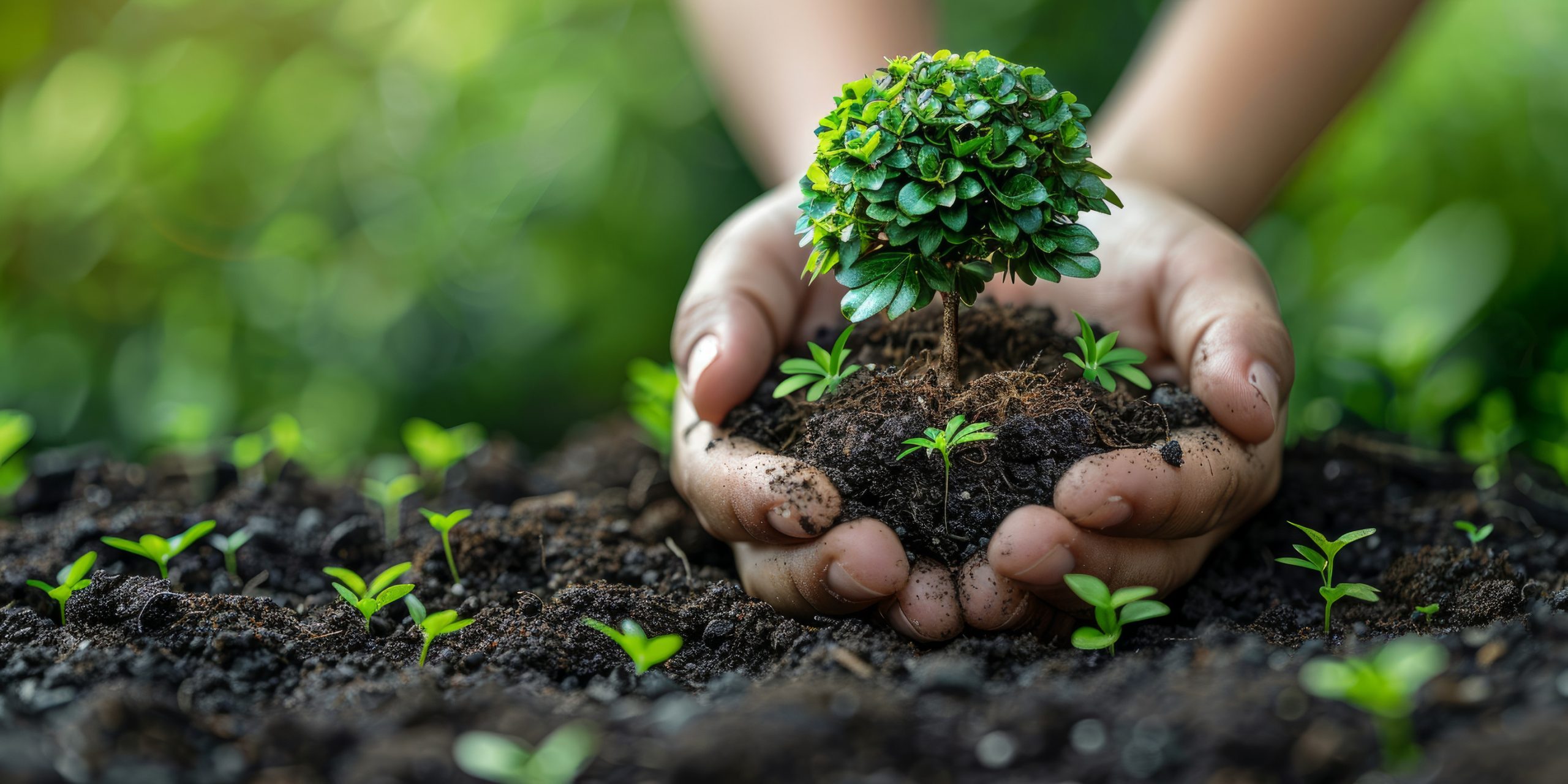
Hands nurturing young plant seedling in fertile soil. Concept of environmental conservation, sustainable gardening, and eco friendly living.

Image Source: 123rf.com

Gardening is often seen as a green and sustainable hobby, but not all practices are as eco-friendly as they appear. Some seemingly harmless habits can have a negative impact on the environment. Here are five gardening practices to rethink and the eco-conscious alternatives that will help you grow a healthier garden.

1. Overuse of Chemical Fertilizers

Chemical fertilizers may give plants a quick boost, but they disrupt the natural nutrient cycle and often end up leaching into nearby water sources. This runoff can contribute to algal blooms in rivers and lakes, harming aquatic life. Instead, opt for compost or organic fertilizers to enrich your soil naturally.

2. Excessive Watering

Water is a precious resource, and overwatering your garden can lead to waste and soil degradation. It also encourages shallow root growth, making plants less resilient. Use a rain barrel to collect water, incorporate drought-resistant plants, and water during cooler parts of the day to conserve water effectively.

3. Planting Invasive Species

While some plants may look beautiful or grow easily, introducing invasive species can upset local ecosystems. These plants often outcompete native species, reducing biodiversity and affecting wildlife habitats. Research native plants suited to your area and incorporate them into your garden for an eco-friendly approach.

4. Improper Mulch Use

Perfectly cut edge of lawn next to fresh mulch and compost mixture filled in new spring flowerbed with hemerocallis perennial flowers garden detail, spring garden maintenance work

Image Source: 123rf.com

Mulching is a great way to regulate soil temperature and conserve moisture, but using non-biodegradable or chemically treated mulch can harm the environment. Plastic mulch, for example, doesn’t break down and can leave harmful residues in the soil. Opt for organic options like wood chips, straw, or shredded leaves instead.

5. Neglecting Soil Health

Many gardeners overlook the importance of maintaining healthy soil. Practices like frequent tilling, heavy pesticide use, or failing to rotate crops can strip the soil of its nutrients and structure over time. Focus on no-till gardening, crop rotation, and adding compost to keep your soil rich and full of life.

Gardening for the Planet

Gardening has the power to benefit the environment when done thoughtfully. By avoiding these harmful practices and adopting sustainable alternatives, you can create a garden that’s not only beautiful but also environmentally responsible. Small changes in your approach can make a big impact on the planet.

Which gardening habits are unknowingly harming the environment, and how can you adopt eco-friendly alternatives to make a positive impact?

Read More:

Are You Poisoning Your Garden? 6 Organic Pest Control Methods That Work

Why Your Mulch Looks Like a Mess: 7 Laying Techniques That Work

Photograph of Tamila McDonald
Tamila McDonald

Tamila McDonald is a U.S. Army veteran with 20 years of service, including five years as a military financial advisor. After retiring from the Army, she spent eight years as an AFCPE-certified personal financial advisor for wounded warriors and their families. Now she writes about personal finance and benefits programs for numerous financial websites.

Filed Under: Uncategorized

Previous Post: « 6 Ways Your Garden May Be Breaking the Law Without You Knowing
Next Post: 7 Reasons Why You Should Stop Using Pesticides in Your Garden »

Reader Interactions

Leave a Reply Cancel reply

Your email address will not be published. Required fields are marked *

Primary Sidebar

Struggling to get your garden off the ground? Put those days behind you with our special starter kit – perfect for thrifty green thumbs everywhere. Get growing and add a splash of color today!

Popular Posts

  • usda free seeds websiteHow To Get Free Seeds From The Government by Amanda Blankenship Seeds might seem like a small expense, but any seasoned…
  • Enviro Ice On PlantsShould I Use Enviro Ice On My Plants? by Kathryn Vercillo Every week, I receive food from Hungryroot. It's a great…
  • is shredded paper good for the gardenFrom Trash to Treasure: Transform Shredded Paper Into Garden Gold by Amanda Blankenship Should you use shredded paper as garden mulch? It might…
  • Enviro IceWhat Happens to Plants If You Use Enviro Ice on Them? by Amanda Blankenship About a year ago, I wrote our first article about…
5 Natural Methods to Repel Ants Without Toxic Chemicals

5 Natural Methods to Repel Ants Without Toxic Chemicals

Ants don’t knock before they invade, and once they set foot in your home, they march like tiny invaders on a mission. One moment, your kitchen looks pristine; the next, there’s a trail of determined little workers dragging crumbs twice their size across your countertops. Forget toxic sprays that leave a chemical haze over your…

Read More

The Safe Way to Use Coffee Grounds Without Damaging Plants

The Safe Way to Use Coffee Grounds Without Damaging Plants

Coffee isn’t just the lifeblood of mornings—it’s secretly a superhero in your garden too. Those leftover coffee grounds hiding in the kitchen aren’t trash; they’re miniature power-packed bundles of nutrients ready to give your plants a boost. Imagine turning your morning ritual into a green-thumbed adventure while reducing waste at the same time. It’s like…

Read More

How to Protect Seedlings From Cold Nights Without Buying Covers

How to Protect Seedlings From Cold Nights Without Buying Covers

Cold nights can strike tiny seedlings like a stealthy ninja, and even the healthiest ones can wilt and waver when temperatures dip unexpectedly. Protecting them doesn’t have to involve spending a fortune on fancy covers or plastic cloches. In fact, a little creativity and some everyday items around the house can shield these tender little…

Read More

DIY Irrigation Systems for Small Gardens That Cost Under $20

DIY Irrigation Systems for Small Gardens That Cost Under $20

Have you ever stared at your tiny garden on a blazing summer day, secretly wishing the plants could water themselves while you kick back with a lemonade? The truth is, watering plants doesn’t have to feel like a chore or burn a hole in your wallet. In fact, some of the most clever irrigation systems…

Read More

  • About
  • Contact Us
  • Garden Frugally
  • Buy These
  • Privacy Policy
  • Navigation Menu: Social Icons

    • Facebook
    • Pinterest
    • Twitter
  • Facebook
  • Pinterest
  • Twitter

Copyright © 2026 · Foodie Pro & The Genesis Framework