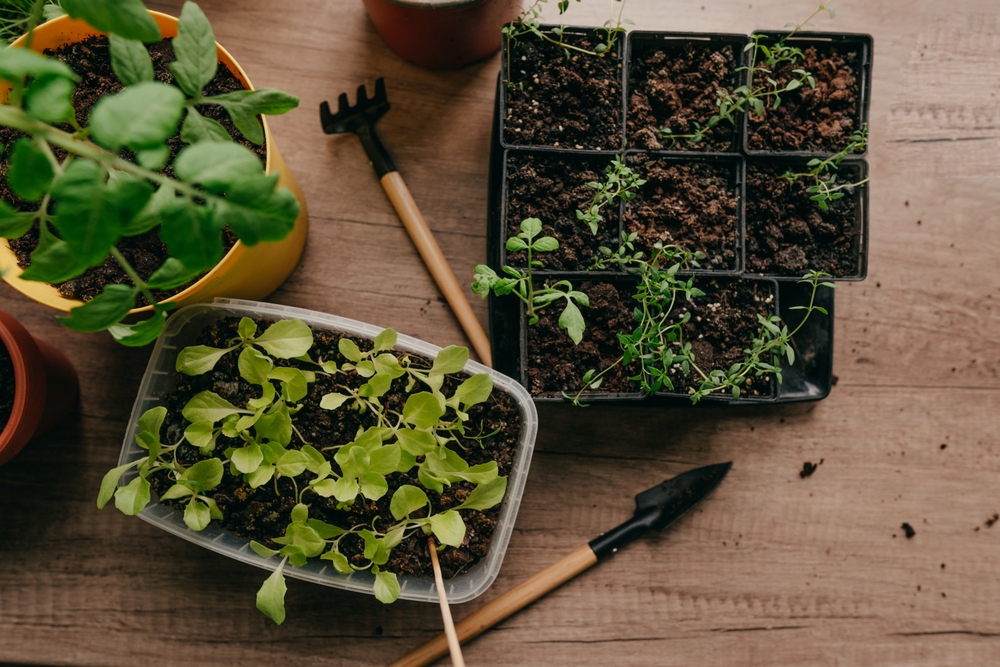
Winter has a way of turning kitchens into gray, flavorless zones, where the only fresh thing seems to be the freezer vegetables you forgot you had. But indoor herb gardens promise a little green magic even when the snow is piling up outside. They aren’t just a pretty display—they can transform your cooking, boost your mood, and make your home feel alive when the world outside feels icy and inert. Suddenly, chopping fresh basil for pasta or sprinkling oregano on a homemade pizza isn’t a chore—it’s a daily delight. So, are these tiny indoor jungles worth it during the cold months? Let’s dig in and find out.
Indoor Herb Gardens Bring Freshness To Your Winter Meals
Cooking with fresh herbs can completely change a dish, even when the ingredients are basic. Frozen or dried herbs can do the job, but they lack the punch and aroma of herbs just snipped from a pot on your windowsill. Basil, parsley, thyme, and rosemary grown indoors retain oils and flavors that elevate your meals in ways store-bought versions simply cannot. Even a small kitchen garden adds excitement to everyday cooking by giving you easy access to fresh, flavorful herbs. During the cold months, when fresh produce is often limited, this little touch of green can make winter cooking feel vibrant again.
Growing Herbs Indoors Is Surprisingly Manageable
Many people assume indoor herb gardening is complicated or high-maintenance, but it really isn’t. Most common herbs thrive in sunny windowsills or under simple grow lights, and a little attention to watering is usually all they need. You don’t need a massive greenhouse or fancy equipment; even a small apartment kitchen can accommodate a row of herb pots. Herbs like mint, chives, and thyme are especially hardy and forgiving, making them perfect for beginners. With a few easy-to-follow steps, you can have a mini garden that not only survives but thrives throughout the colder months.
Indoor Herbs Boost Mental Health And Mood
Winter can be long, dark, and a little dreary, but tending a green space has tangible mood-lifting benefits. Studies show that caring for plants can reduce stress, lower blood pressure, and even improve focus. Cutting fresh herbs and smelling their aroma triggers a small, immediate burst of satisfaction that can brighten any gray day. Even a small shelf of potted herbs brings life, color, and energy into a home when the sun is scarce. For many people, indoor herb gardening becomes a small but impactful form of self-care during the colder months.
Indoor Gardens Teach Valuable Skills
Herb gardening isn’t just decorative—it’s educational. It teaches observation, patience, and attention to detail in a way that’s interactive and rewarding. Each plant has its own rhythm; some grow quickly, others slowly, and all respond to care in visible ways. Observing how light, water, and temperature affect growth is an accessible, hands-on way to understand plant biology. Even casual indoor gardeners often notice they start thinking more intentionally about seasons, growth cycles, and sustainable food choices, making herbs a practical winter project.
Indoor Herb Gardens Encourage Sustainable Eating
Growing your own herbs reduces the need for packaged, shipped, or processed options. This may seem minor, but over a season, it can significantly cut down on waste from plastic containers and imported herbs. Fresh herbs grown indoors are always on hand, reducing the temptation to rely on less sustainable store-bought alternatives. They encourage creativity in the kitchen, inspiring meals that make full use of fresh ingredients rather than processed shortcuts. Winter becomes an opportunity to practice sustainability in a fun and satisfying way without leaving the warmth of your home.
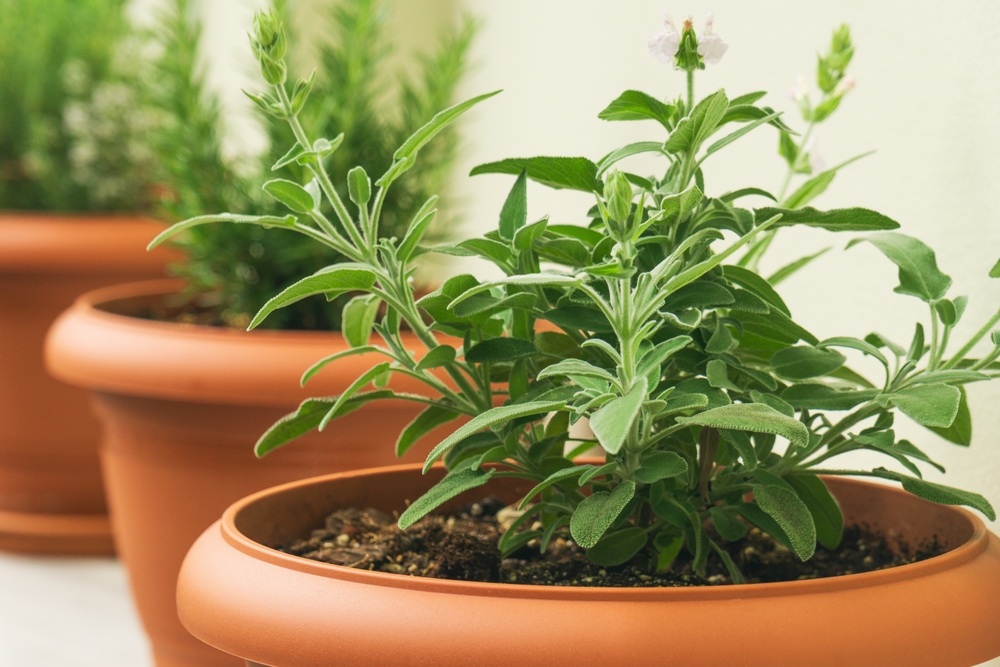
Indoor Herbs Add Aesthetic And Aromatic Appeal
Herbs aren’t just functional—they look and smell amazing. A small indoor garden brings greenery into a home at a time when most plants outside are dormant or hidden under snow. Bright green basil, silver-gray sage, and delicate sprigs of rosemary can brighten countertops, windowsills, and shelves. Their aroma naturally freshens a room, creating an inviting, lively environment. This combination of visual and olfactory appeal makes indoor herb gardens a little winter oasis in the middle of otherwise gray months.
They Can Save Time And Effort In Cooking
Having fresh herbs within arm’s reach streamlines cooking and reduces stress in the kitchen. Instead of rushing to the store for a sprig of thyme or settling for dried herbs that lack punch, you can snip what you need on the spot. This convenience is particularly valuable in winter when going outside may be less appealing due to cold, ice, or snow. A few minutes spent tending your herbs early in the week pays off every time you cook. The act of snipping fresh leaves is satisfying, efficient, and often inspires more adventurous cooking.
Indoor Herb Gardens Are Worth It
Winter may seem like a season of gray, frozen landscapes and limited fresh ingredients, but indoor herb gardens change the story. They bring life, flavor, education, and even mood-boosting benefits to your home when you need them most. Growing herbs indoors is manageable, rewarding, and surprisingly versatile, enhancing cooking, sustainability, and home aesthetics. They’re a tiny green investment that pays dividends in daily enjoyment and personal satisfaction.
Have you tried growing herbs indoors during the colder months? Share your experiences, tips, or favorite winter herbs in the comments section.
You May Also Like…
Grow This Indoors and You’ll Have Fresh Herbs All Winter
Why Storing Herbs Properly Preserves Oils
Force These Bulbs Indoors for the Brightest Winter Blooms
How to Keep Your Garden Alive While You’re Enjoying the Holidays
12 Herbs That Thrive in Cooler Temperatures

Brandon Marcus is a staff writer for FrugalGardening.com at District Media, Inc., where he delivers practical gardening advice with a relatable, no-nonsense style. An avid amateur gardener, he holds a BA degree and with over ten years of professional writing experience, he is also an award-winning published author whose first book, Questions For Deep Thinkers, was released by Adams Media. His work has appeared in major publications including Fandom.com, CHUD.com, TheColdWire.com, and Fansided.com.
Leave a Reply