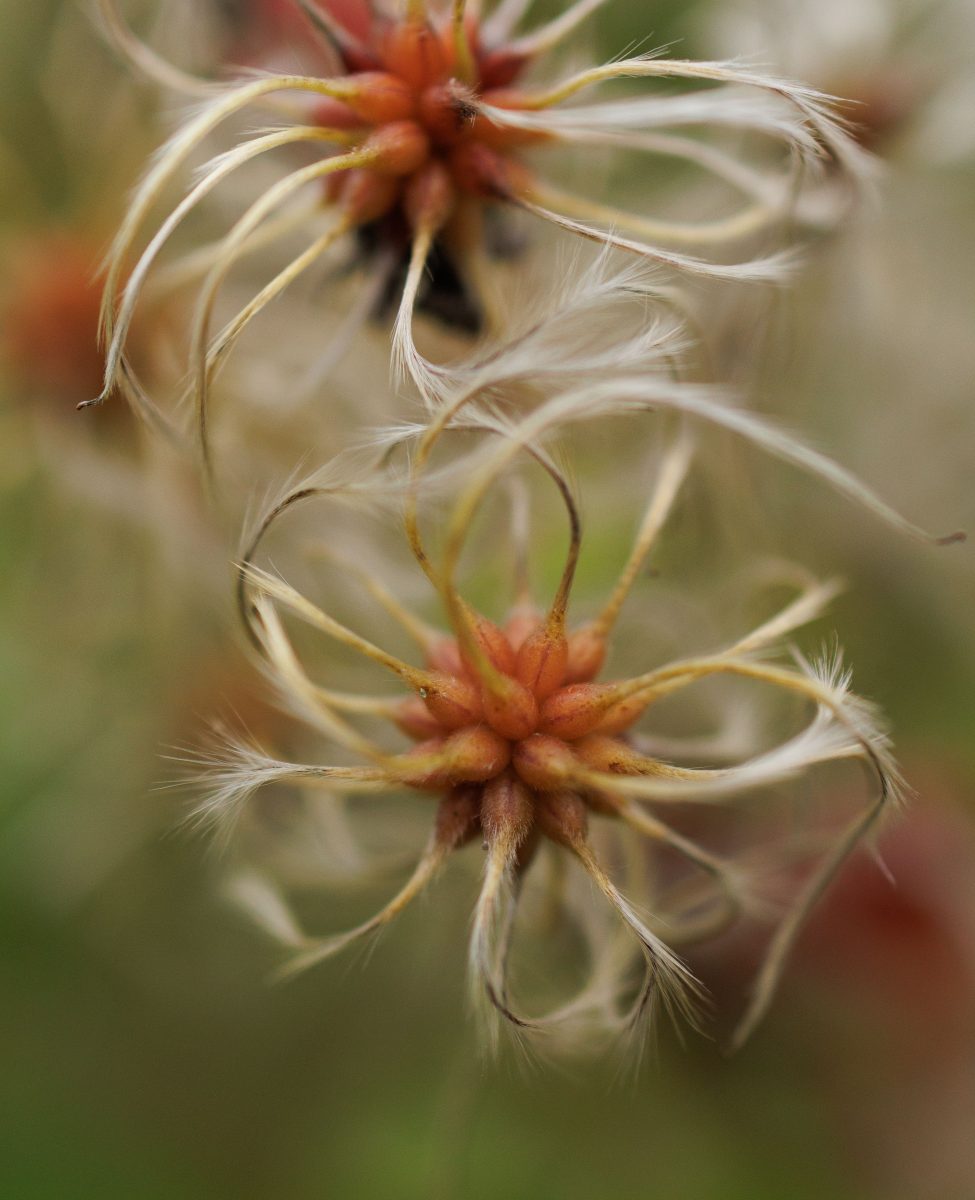
By November, your garden might look like it’s officially given up for the year. The flowers have disappeared, leaves are scattered across the lawn, and plants that looked beautiful in September have turned brown or collapsed into the soil.
But before you start pulling everything out, there’s something worth knowing: Your garden may be more alive than it looks.
Many plants continue developing underground even after their leaves disappear, while others actually prefer the cooler temperatures of late autumn. Depending on where you live, November can be an important month for root development, winter preparation, and even vegetable production.
According to NC State Extension, cooler air and relatively warm soil can encourage root growth long after visible growth has slowed.
Understanding which plants grow in November could save you from accidentally removing healthy perennials, wasting money on replacements, or overlooking opportunities for a productive fall garden.
1. Garlic May Be Building Roots Beneath the Soil
Garlic might not look particularly impressive in November, especially if you planted individual cloves only a few weeks earlier. However, beneath the soil, those cloves can be developing the root systems they’ll need for vigorous growth next spring. According to Utah State University Extension, garlic planted in autumn continues developing roots during fall and winter even when very little growth appears aboveground. In many climates, gardeners plant garlic between September and November, although the ideal timing depends on local soil conditions and the arrival of freezing temperatures. If you’ve planted garlic this fall, resist the temptation to dig up the cloves just because you don’t see green shoots emerging.
2. Peonies Can Be Preparing for Next Year’s Flowers
Peonies often look completely finished by November, with blackened foliage and dried stems replacing their spectacular spring blooms. However, these long-lived perennials survive winter through underground crowns and fleshy roots that store energy for the following growing season. The University of Nebraska Extension explains that fall is an appropriate time for dividing established perennials, including peonies, because cooler conditions can support root establishment before winter. Although peonies eventually enter dormancy, healthy plants may continue developing roots while soil temperatures remain suitable. Instead of assuming a brown peony is dead, remove diseased or spent foliage appropriately, avoid disturbing its crown, and allow the plant to return naturally in spring.
3. Deciduous Shrubs May Be Growing Even Without Leaves
Hydrangeas, viburnums, and other deciduous shrubs can look lifeless once their leaves drop, but appearances can be deceiving. Many woody plants continue developing roots during autumn, even after aboveground growth has slowed dramatically. The University of Missouri Extension explains that cooler air and relatively warm soil create favorable conditions for root development, helping shrubs prepare for the following growing season. This is one reason autumn can be an excellent time to establish certain shrubs, although planting windows vary considerably by climate and species. Before removing a seemingly dead shrub, examine its branches for flexibility and living tissue, and remember that leaf loss alone doesn’t indicate the plant has died.
4. Kale Can Continue Producing Through Chilly Weather
Unlike tomatoes and peppers, kale belongs to a group of vegetables that generally tolerate cool weather remarkably well. In many regions, established kale plants continue producing usable leaves into November, particularly when temperatures remain moderate or gardeners provide protection from severe freezes. Cool conditions can also improve the eating quality of some kale varieties by influencing the plant’s sugar metabolism. There are plenty of opportunities available for growing cool-season vegetables when summer crops have finished. If you’re wondering which plants grow in November, kale is worth considering because harvesting established plants can extend your homegrown food supply without requiring an entirely new garden.
5. Daylilies May Be Alive Beneath Their Brown Leaves
By late autumn, many daylilies have yellowing or completely brown foliage that makes the entire planting bed look abandoned. However, dormant varieties survive through underground crowns and fleshy roots, allowing them to return when growing conditions improve. Autumn conditions can encourage root establishment in perennials because soil temperatures often remain favorable after the air cools. Daylilies may continue limited root activity before winter dormancy, although growth slows or stops as the ground becomes colder. Rather than digging them out, remove dead foliage when appropriate, keep the crowns properly positioned, and give established plants time to emerge again in spring.
Why November Growth Depends on Where You Live
Not every gardener will experience the same amount of activity beneath the soil during November. Someone gardening in northern Minnesota may already have frozen ground, while a gardener in Georgia could still have relatively warm soil and actively growing vegetables. The Morton Arboretum explains that late-season root growth depends heavily on soil temperatures, with colder conditions reducing establishment opportunities. This means advice about plants that grow in November should always be adjusted for your USDA Plant Hardiness Zone, local frost dates, and current weather conditions. A plant that’s still actively growing in one region may already be fully dormant just a few hundred miles away.
Don’t Make These Common November Gardening Mistakes
One of the biggest mistakes gardeners make is assuming that brown foliage means the entire plant has died. Pulling out healthy perennials can destroy established root systems and force you to spend money replacing plants that would have returned naturally. Another common problem is neglecting newly planted shrubs and perennials because cooler weather makes watering seem unnecessary. Fall-planted trees and shrubs still need adequate moisture while their roots establish, even though they generally experience less water stress than during summer. Check soil moisture before watering, avoid unnecessary late-season fertilizer applications, and protect vulnerable plants with appropriate mulch rather than disturbing their roots.
How to Tell Whether a Plant Is Dormant or Actually Dead
Determining whether a plant is alive can be difficult when most of its visible growth has disappeared. For woody shrubs, gently scratching a tiny section of outer bark may reveal green, moist tissue underneath, although one green branch doesn’t guarantee the entire plant is healthy. Flexible stems, firm crowns, and roots that aren’t mushy or completely dried out can also provide clues about plant condition. However, repeatedly digging around roots or cutting into stems can damage plants that are simply resting for winter. When you’re uncertain, waiting until spring often provides a more reliable answer than immediately removing a plant that appears lifeless in November.
The Garden Isn’t Finished Just Because the Flowers Are Gone
Some of the most important activity in your garden happens when there’s very little to see above the soil. Garlic, peonies, deciduous shrubs, kale, and daylilies demonstrate how different plants respond to shorter days and colder temperatures. While some continue producing leaves, others focus on root development or gradually enter dormancy until warmer weather returns. Understanding which plants grow in November can help you protect established plants, avoid unnecessary replacements, and make smarter decisions about fall garden maintenance. Before declaring your garden finished for the year, remember that what looks like the end of the growing season may actually be preparation for next spring.
Have you ever pulled out a plant in November because you thought it was dead, only to discover later that it could have survived? Which plants are still growing in your garden right now? Share your experiences in the comments!
What to Read Next
5 Plants That Look Completely Dead but Can Surprise You With New Growth
Those Dead Flower Stems Look Ugly — Here’s Why Gardeners Are Leaving Them Until Spring
That Half-Dead Clearance Plant Is $3 — How Do You Know If It Can Be Saved?
Leave a Reply