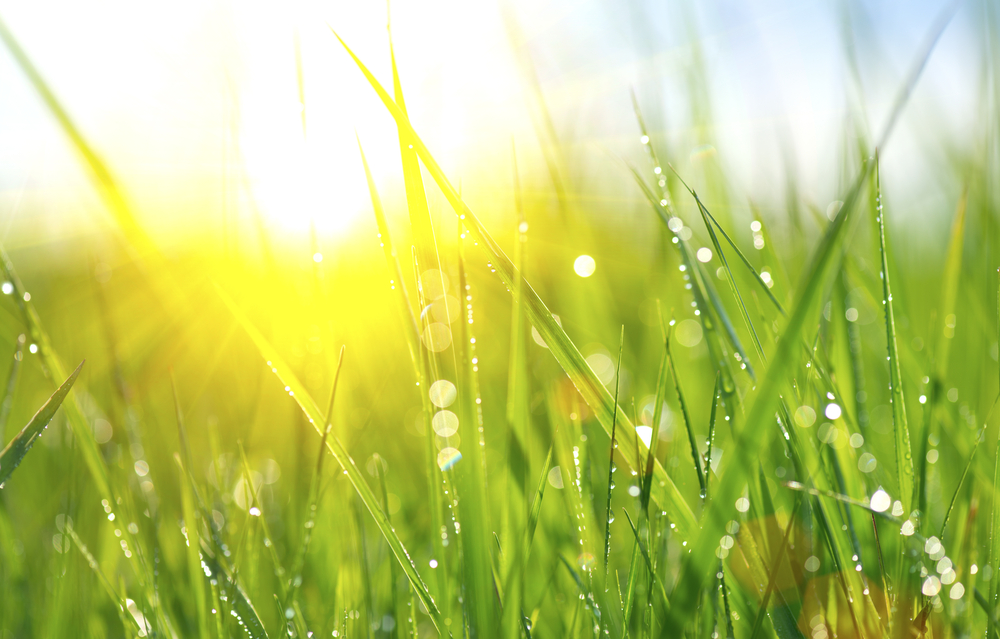
Step outside on a crisp autumn morning and you’ll notice that glittering layer of dew coating every leaf, blade of grass, and car windshield. It looks beautiful—like the world hit refresh overnight—but that sparkling moisture is more than just a photo op for nature lovers. Morning dew plays a surprising role in how diseases spread during the fall season, from plant blights to human sniffles. It’s the kind of invisible environmental factor that scientists obsess over but most people never even think about.
Let’s pull back the curtain on this mysterious seasonal connection and discover how something as delicate as dew can quietly shift the balance of health in the fall.
The Science Behind That Morning Glow
Morning dew forms when nighttime temperatures drop and the air becomes saturated with moisture, causing water vapor to condense on cool surfaces. It’s basically nature’s gentle reminder that humidity never truly sleeps. But here’s the fascinating part—those tiny droplets become miniature ecosystems teeming with microbes. Bacteria, fungal spores, and even viruses can cling to the surface of dew, using it as a launchpad for survival. By the time the sun rises, the world is not only sparkling—it’s alive with microscopic activity.
Why Fall Is the Perfect Dew Season
Fall is dew’s time to shine—literally. During autumn, days remain warm enough for evaporation while nights cool rapidly, creating perfect conditions for condensation. This temperature dance ensures dew forms more often and lasts longer in the morning. The result? A damp environment that can either nurture life or spread trouble, depending on what’s lurking in those droplets. That lingering moisture on leaves, soil, and crops is one of the biggest reasons farmers dread fall fungal outbreaks.
Dew and Crop Diseases: The Hidden Farm Villain
If you’ve ever wondered why farmers worry so much about humidity and moisture, morning dew is a big part of the story. Dew doesn’t just sit there—it creates a wet microclimate that helps plant pathogens thrive. Fungal spores, like those responsible for powdery mildew or rust, germinate best in moist environments. When dew coats the leaves, it gives these pathogens the perfect runway for infection. By the time the sun dries everything out, the damage is already in motion, making fall one of the most disease-prone seasons for agriculture.
The Dew Factor in Human Health
You might not think morning dew could affect people, but indirectly, it does. Damp, cool mornings foster ideal conditions for mold, fungi, and allergens to thrive in the environment. When dew forms and evaporates, it can release mold spores into the air—spores that aggravate allergies and asthma. Add that to the fact that cooler weather pushes people indoors (where germs circulate more easily), and you’ve got the perfect recipe for seasonal sniffles. While dew itself isn’t making you sick, it’s definitely setting the stage for other culprits to do their work.
Dew and Mosquito-Borne Illnesses
Here’s an unexpected twist: dew helps mosquitoes, too. Those tiny water droplets on grass and leaves provide micro-reservoirs that help mosquito eggs and larvae survive longer, even in cooler weather. Fall mosquitoes might seem slower or less aggressive, but they’re still around—and dew can extend their season just enough to keep diseases like West Nile virus circulating. It’s another reminder that even small amounts of standing moisture can make a big biological difference. So, while you’re admiring that morning sparkle, mosquitoes might be treating it like an all-inclusive resort.
Dew’s Role in Plant-to-Plant Pathogen Transfer
Think of dew as nature’s courier service for microbes. When dew forms and rolls across plant leaves, it can carry spores, bacteria, and viruses from one surface to another. This microscopic movement allows diseases to jump from one plant to the next faster than the eye can see. Even a light breeze can spread dew droplets and their hitchhiking pathogens across an entire garden or field. It’s one of those quiet, natural processes that explains why infections can spread so rapidly during damp autumn mornings.
Morning Dew and Animal Illness
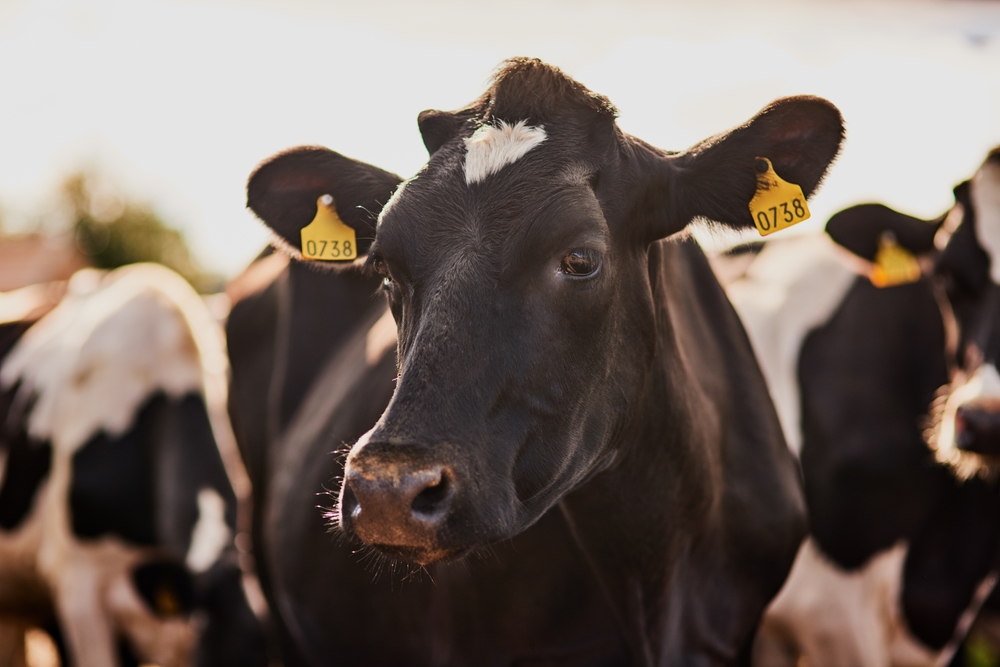
It’s not just crops and humans that feel the impact—livestock and wild animals do too. Grazing animals often feed on grass coated with dew, which can carry parasitic larvae or bacteria. In the fall, when pastures stay wet for longer stretches, animals are more likely to ingest these pathogens. Dew can even help parasitic worms survive outside a host by preventing dehydration. Farmers who understand this risk often change grazing schedules in the fall to avoid early-morning feeding times.
Why Fall Dew Lasts Longer Than You Think
You might assume dew disappears as soon as the sun hits it—but not so fast. In autumn, shorter daylight hours and lower solar intensity mean dew lingers well into the morning. That extended dampness keeps surfaces wet for hours, amplifying disease risk for plants, animals, and people alike. It also means more time for spores and microbes to multiply before drying out. Essentially, fall mornings are a buffet for microscopic life—and that’s not always a good thing.
Fighting Back Against Dew-Driven Disease
So, what can we do about it? Farmers have developed all sorts of strategies, from improving air circulation in crops to watering earlier in the day so leaves dry faster. For people, staying aware of dew’s connection to allergens and molds means keeping windows closed during early hours or running air purifiers indoors. Nature enthusiasts can protect themselves by avoiding early-morning hikes through tall, wet grass where mosquitoes and molds linger. Awareness is half the battle—the other half is timing your outdoor activities wisely.
The Beauty and the Burden of Morning Dew
Morning dew may look peaceful and poetic, but beneath that sparkling surface lies a world of microscopic drama. From spreading fungal diseases on crops to aggravating allergies and prolonging mosquito activity, those tiny droplets do more than just decorate your morning view. Understanding how dew shapes the fall environment helps us appreciate its beauty and its hidden consequences. So next time you admire that shimmering lawn at sunrise, remember—it’s nature’s double-edged sword, equal parts charm and challenge.
Have you noticed how dew affects your garden, allergies, or fall routines? Share your thoughts, tips, or stories in the comments below.
You May Also Like…
- How Fall Rainfall Impacts Soil Compaction
- 8 Garden Myths That Fail in Autumn Weather
- The Secret Role of Dew in Autumn Gardening
- 5 Natural Mulches That Protect Roots From Frost
- 7 Easy Raised Bed Fixes for Fall Maintenance

Brandon Marcus is a staff writer for FrugalGardening.com at District Media, Inc., where he delivers practical gardening advice with a relatable, no-nonsense style. An avid amateur gardener, he holds a BA degree and with over ten years of professional writing experience, he is also an award-winning published author whose first book, Questions For Deep Thinkers, was released by Adams Media. His work has appeared in major publications including Fandom.com, CHUD.com, TheColdWire.com, and Fansided.com.
Leave a Reply