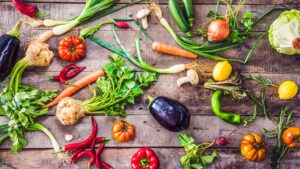
Growing your own vegetables can be a rewarding endeavor, both for your health and the environment. With an increasing interest in self-sustainability and organic gardening, choosing the right types of plants for your garden is essential. Nutrient-dense vegetables, which are packed with vitamins, minerals, and antioxidants, offer significant health benefits. Here, we explore 14 nutrient-dense vegetables that are and relatively easy to grow in your backyard.
1. Spinach
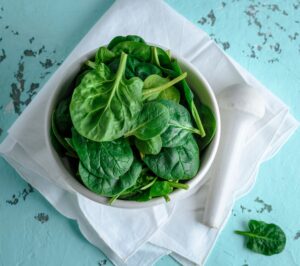
Spinach is a powerhouse when it comes to nutrients. It’s loaded with vitamins A, C, and K and minerals like magnesium, iron, and manganese. Growing spinach is straightforward. Plus, it thrives in cooler weather, making it perfect for spring and fall. Spinach also grows quickly, and you can harvest the outer leaves as they mature, ensuring a continuous supply.
2. Kale
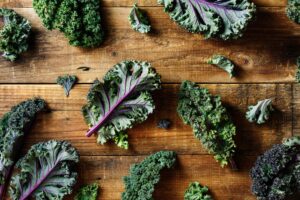
Kale is one of the most nutrient-dense vegetables to grow in backyard your garden or in pots. It’s rich in vitamins A, C, and K, and also provides a good amount of calcium and potassium. Kale can be grown in most climates and is hardy, resistant to cold, and easy to maintain. Plus, It produces leaves throughout the growing season, giving you a lasting harvest.
3. Broccoli

Broccoli is another high-ranking vegetable in terms of nutrient density, known for its high vitamin C content and cancer-fighting compounds like sulforaphane. It prefers cooler temperatures, so it’s best to plant it in early spring or late summer. Broccoli can be harvested multiple times throughout the season if the main head is cut correctly to encourage new growth.
4. Carrots

Carrots are a great source of beta-carotene, which the body converts into vitamin A. They also supply fiber, vitamin K, and potassium. Carrots need sandy or loamy soil to flourish. They can take a few months to mature, but the wait is worthwhile as homegrown carrots often taste sweeter than their store-bought counterparts.
5. Sweet Potatoes
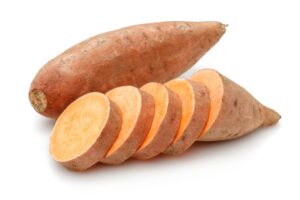
Sweet potatoes are a vibrant and delicious addition to any garden. They boast high levels of vitamins A and C, manganese, fiber, and other essential nutrients. Although they require some space to grow, sweet potatoes are relatively low-maintenance. They thrive in warm weather and can be harvested in late summer or early fall.
6. Swiss Chard
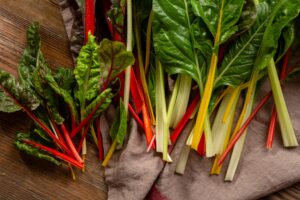
Swiss chard is not only nutrient-dense but also brings color to your garden. It’s packed with vitamins A, C, and K, and a good source of magnesium, manganese, and iron. You can harvest Swiss chard continuously by picking the outer leaves, allowing the plant to produce new growth throughout the season.
7. Garlic
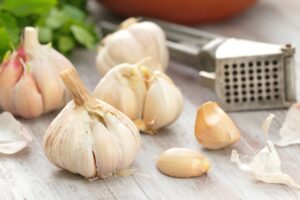
Garlic is highly nutritious and has been used for its medicinal properties for centuries. It’s rich in vitamins C and B6, manganese, selenium, and other antioxidants, including allicin. Garlic is planted in the fall and harvested in the summer, requiring very little maintenance in between.
8. Beets
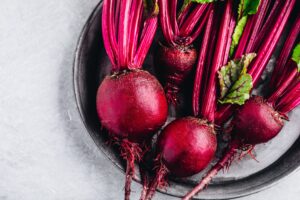
Beets are a fantastic choice for your garden due to their dual-purpose nature; both the leaves and roots are edible. Additionally, beets are a great source of fiber, folate, and manganese. The leaves can be harvested early as young greens, and the roots can be pulled up later in the season.
9. Peas

Peas are not only a favorite for their sweet flavor but are also rich in vitamins A, K, and C. Generally, peas thrive in cooler temperatures, making them perfect for early spring planting. They also fix nitrogen in the soil, which can improve the health of your garden.
10. Bell Peppers
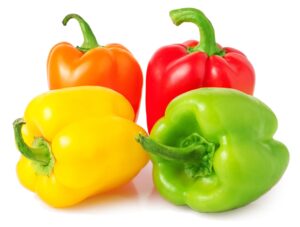
Bell peppers, particularly red ones, are high in vitamins A and C, potassium, and fiber. They need warm soil and plenty of sunlight but are relatively easy to grow. Harvesting begins in mid to late summer when they are fully colored and firm.
11. Brussels Sprouts
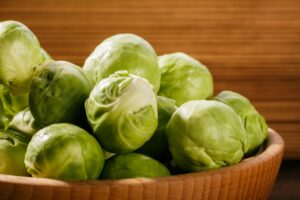
Brussels sprouts are high in fiber, vitamins C and K, and contain potent antioxidants to help reduce the risk of chronic diseases. They grow best in cool climates and can be harvested in the fall or early winter.
12. Tomatoes
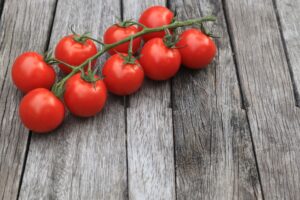
Tomatoes are a staple in many gardens and contain vitamins C and K, potassium, and folate. They require a bit of care, including staking and regular watering, but the effort is well rewarded with a plentiful harvest of delicious fruit.
13. Zucchini
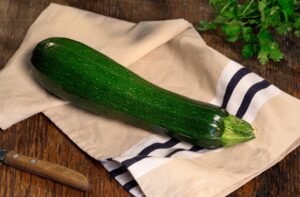
Zucchini is easy to grow and can produce a massive yield in a single season. It’s rich in vitamins A, C, and K, manganese, and potassium. Zucchini plants are prolific; regular harvesting encourages the plant to produce more fruit.
14. Arugula
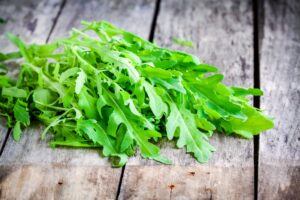
Arugula is peppery and flavorful. Plus, it’s packed with vitamins A, C, and K, as well as calcium and potassium. It grows quickly and can often be harvested within a month of planting.
Add These Nutrient-Dense Vegetables to Your Garden Today!

Growing your own nutrient-dense vegetables can transform your garden into a treasure trove of vitamins and minerals, providing you and your family with fresh produce throughout the growing season. These 14 vegetables are not only beneficial for your health but also enjoyable to grow, offering a fulfilling and sustainable way to participate in your own food production. As you plan your garden, consider these nutrient-packed options to maximize your harvest’s yield and health benefits.
Read More:
11 Garden Vegetables You Can Cook in an Air Fryer
The Poison Garden: 10 Plants You Should Never Put in Your Garden

Catherine is a tech-savvy writer who has focused on the personal finance space for more than eight years. She has a Bachelor’s in Information Technology and enjoys showcasing how tech can simplify everyday personal finance tasks like budgeting, spending tracking, and planning for the future. Additionally, she’s explored the ins and outs of the world of side hustles and loves to share what she’s learned along the way. When she’s not working, you can find her relaxing at home in the Pacific Northwest with her two cats or enjoying a cup of coffee at her neighborhood cafe.
Leave a Reply