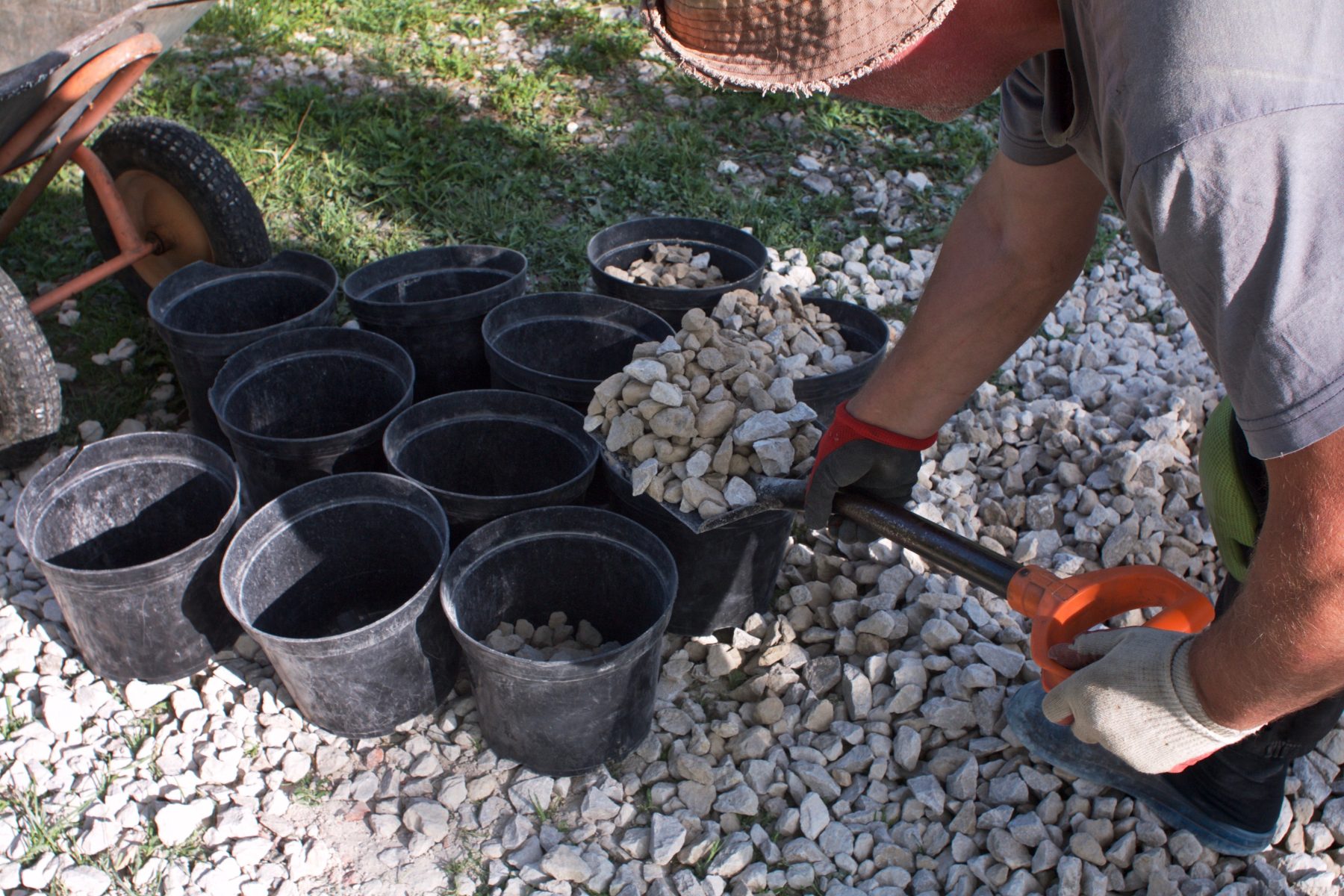
If you’ve been gardening for years, there’s a good chance you’ve heard this advice: put a layer of gravel or small rocks at the bottom of your flowerpots before adding soil. The idea sounds perfectly reasonable because rocks should help excess water drain away from plant roots, right? Unfortunately, gardening experts say this popular practice can actually make drainage worse.
Even more surprising, adding gravel to flowerpots could contribute to root rot, reduce growing space, and leave your plants struggling despite your best efforts. It’s one of those gardening habits passed down through generations that sounds logical but doesn’t hold up under scientific scrutiny.
According to North Carolina State University Extension, placing gravel beneath potting soil doesn’t improve drainage because water tends to accumulate in the soil directly above the rocks. Here’s why experts recommend skipping this common gardening trick and what you should do instead.
Why Adding Gravel to Flowerpots Can Make Drainage Worse
The biggest misconception about adding gravel to flowerpots is that water will simply flow through the soil and disappear into the rocks below. In reality, water behaves differently when it moves between materials with different particle sizes, particularly from fine-textured potting mix into coarse gravel. According to the University of California Master Gardeners, water tends to remain in the potting mix above the gravel until the soil becomes sufficiently saturated for gravity to move it downward. This creates what’s known as a perched water table, essentially a layer of unusually wet soil sitting above the gravel. Instead of helping roots stay dry, that rocky layer can push the wettest portion of the soil higher into the container.
The Hidden Problem With Constantly Wet Roots
Plant roots need more than water to survive because they also require oxygen from the air spaces between soil particles. When those spaces remain filled with water for extended periods, roots can become oxygen-starved and increasingly vulnerable to decay. The University of Maine Cooperative Extension explains that gravel layers can move the saturated zone closer to plant roots, increasing the likelihood that roots remain wet longer than intended. Gardeners may notice yellowing leaves, wilting despite moist soil, stunted growth, or a sour smell coming from the potting mix when drainage problems develop. Although these symptoms can have several causes, persistent moisture around the roots is a warning sign worth investigating before adding more water or fertilizer.
You’re Also Taking Away Valuable Growing Space
Another overlooked problem with adding gravel to flowerpots is that rocks occupy space that could otherwise support healthy root growth. Imagine filling the bottom three inches of a 12-inch-deep planter with stones, leaving only nine inches available for potting mix and roots. That represents a 25% reduction in the container’s usable depth, which can matter for vegetables, flowering annuals, and plants with extensive root systems. The University of Maryland Extension specifically recommends avoiding gravel and broken pottery at the bottom of containers because these materials take up valuable growing space and can worsen drainage. Instead of sacrificing a quarter of your planter to rocks, fill the container with an appropriate potting medium that supports both root development and moisture management.
Drainage Holes Matter More Than Decorative Rocks
If you want healthier container plants, the first thing to check isn’t the gravel layer but whether your flowerpot has adequate drainage holes. Containers need openings that allow excess water to escape and help prevent roots from sitting in saturated growing media. Without those openings, adding gravel simply creates a space where excess water can collect rather than providing a reliable exit from the container. For decorative pots without drainage holes, consider keeping the plant inside a smaller nursery pot with drainage and placing that container inside the decorative one. This approach allows you to remove the inner pot for watering, let excess moisture drain completely, and return it without leaving the roots standing in water.
The Right Potting Mix Makes a Bigger Difference
Instead of adding gravel to flowerpots, gardening experts recommend using a growing medium designed specifically for container plants. Quality potting mixes typically contain ingredients such as bark, peat moss, coconut coir, perlite, or other materials that help balance moisture retention with adequate air circulation. Well-mixed potting media containing coarse materials such as perlite or bark is best, rather than placing a separate drainage layer beneath the soil. Plants with different moisture requirements may benefit from specialized mixes, particularly succulents and cacti that need growing media capable of drying appropriately between waterings. While buying suitable potting mix may cost slightly more than using ordinary garden dirt, it can save money by reducing plant losses and avoiding repeated repotting.
What About Using Gravel to Keep Soil From Washing Out?
Some gardeners add gravel because they’re worried that potting soil will escape through the drainage holes every time they water. That’s a reasonable concern, but filling the bottom of the container with rocks isn’t necessary to solve it. Use materials such as mesh screening, untreated burlap, paper towels, or coffee filters to help keep growing media inside containers. These inexpensive barriers can cover drainage openings without occupying several inches of valuable planting space, provided they don’t obstruct water flow. In many cases, a small amount of potting mix washing out during the first few waterings is normal and doesn’t justify adding a thick gravel layer.
There Are a Few Situations Where Rocks Still Make Sense
Although adding gravel to flowerpots isn’t recommended for improving drainage, rocks aren’t completely useless in container gardening. For example, gravel can sometimes be used inside a larger decorative outer container to elevate a smaller pot above collected water. The important distinction is that the plant remains in its own container with drainage holes rather than growing directly above a buried gravel layer. Rocks may also provide extra weight to stabilize lightweight containers that are prone to tipping over in windy conditions, although the trade-off in growing space should be considered. These situations involve specific practical needs rather than the mistaken belief that gravel automatically improves drainage through potting soil.
What to Do If Your Flowerpots Already Have Gravel
If you’ve been adding gravel to flowerpots for years, there’s no need to panic or immediately disturb every plant in your garden. A healthy plant growing in a container with adequate drainage may continue doing well, particularly if you’ve been careful about watering. However, if you’re noticing soggy soil, yellow leaves, or declining growth, consider repotting the plant into fresh, appropriate potting mix without the gravel layer. Choose a container with drainage holes, gently inspect the roots for signs of decay, and avoid packing the growing medium so tightly that air circulation becomes restricted. Repotting is also an opportunity to check whether your plant has outgrown its container and needs additional room for healthy root development.
Save the Gravel for the Garden Path
The science behind container drainage shows that adding gravel to flowerpots is one gardening tradition worth reconsidering. Rather than improving drainage, a layer of rocks can trap moisture higher in the potting mix, reduce root space, and potentially contribute to unhealthy growing conditions. Fortunately, the solution doesn’t require expensive products or complicated gardening techniques. Using containers with adequate drainage holes, choosing appropriate potting mix, and watering according to your plants’ actual needs can make a much bigger difference. By skipping unnecessary gravel, you can save money, simplify your planting routine, and give your flowers and houseplants a healthier place to grow.
Have you always put gravel or rocks in the bottom of your flowerpots, or have you already stopped using this gardening trick? Did you notice a difference in how your plants grew? Share your experiences in the comments.
What to Read Next
Can Your HOA Actually Tell You What Flowers You’re Allowed to Plant?
How to Dry Sunflower Heads for Seeds and Wildlife
Fall Flowers That Keep Garden Beds Colorful After Summer Fades
Leave a Reply