• Skip to primary navigation
  • Skip to main content
  • Skip to primary sidebar

Frugal Gardening

Simple ways to save money while you garden

  • About
  • Contact Us
  • Garden Frugally
  • Buy These
  • Privacy Policy
  • Navigation Menu: Social Icons

    • Facebook
    • Pinterest
    • Twitter

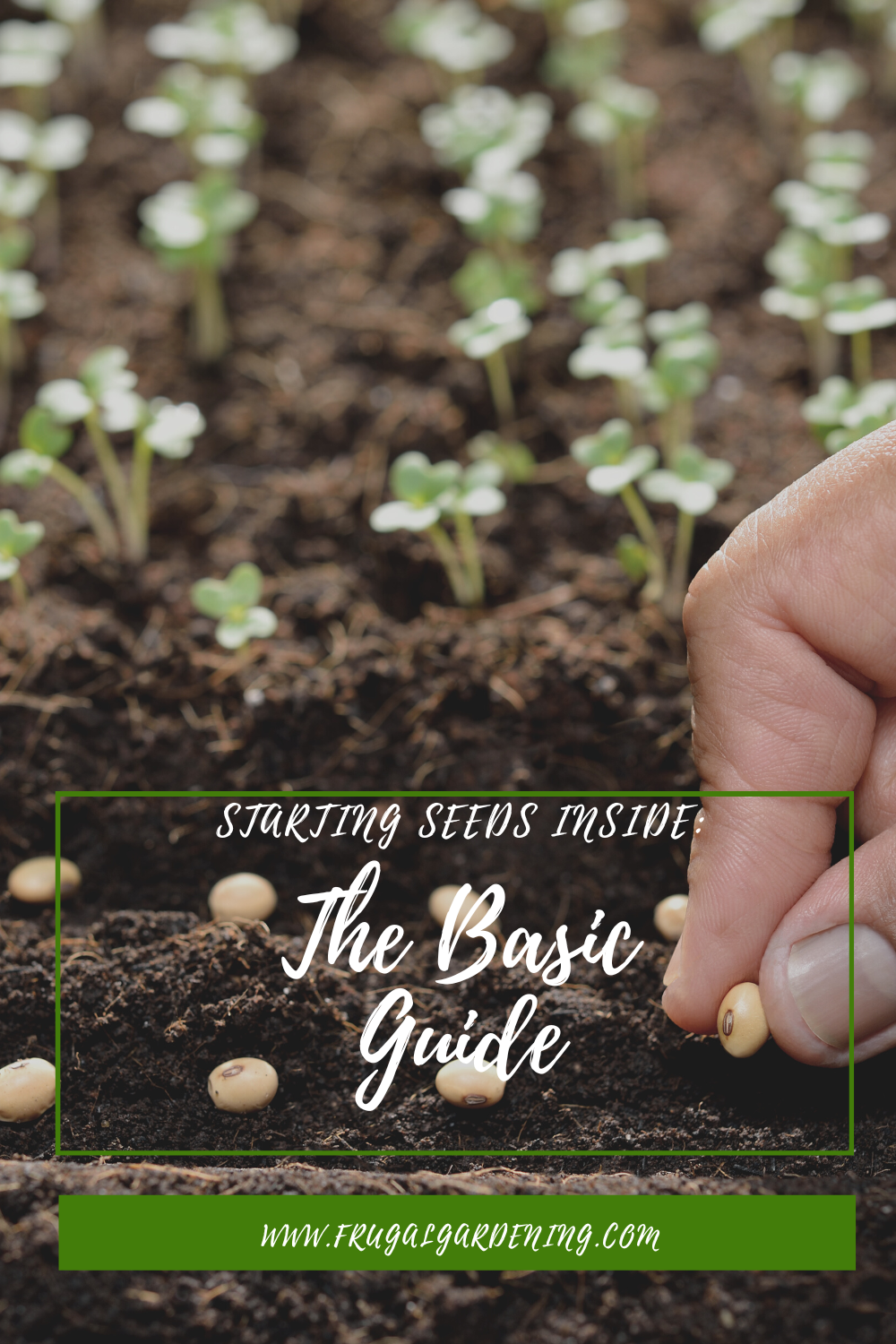
Starting Seeds Inside: The Basic Guide

February 1, 2023 by Ali Southerland Leave a Comment

This is the time of year my family would begin starting seeds inside. The first week of February was about dreaming of summer by fixing the soil in seedling trays. The next several weeks brought tiny little plants that always fascinated me. 


This post will teach you the basics of seed starting and give you a list of great veggies to germinate before planting. 


Germinating Seeds

Germination is the process by which a seed leaves dormancy and begins to grow. Many people like to eat these young plants as sprouts or microgreens. 


When Should You Start Your Seeds?

This will depend on 2 factors: where you live and what you are starting. The general rule is to start most veggies 8 weeks before your area’s last frost date, but some have unique requirements. 


How to Start Your Seeds


You only need a few things: a container, a medium, seeds, and water. Then, follow the directions on the back of the seed packet for individualized instructions on the best methods for starting those seeds. 


The Container

The container can be a special seed starting, pot, or even a milk jug. The criteria you need to meet is the container needs to be easily covered. In addition, the humidity must be high at the beginning of the germination process, but you must remove the cover as the seedlings grow. 


The Medium

Your medium can be peat moss mix, simple soil, or a paper towel. The most crucial part is that it keeps an even dampness. So you want it to hold a decent amount of water without staying wet to prevent mold. 


The Seeds

Seeds that are from the previous year will have the best germination rates. Older seeds may germinate, but it could take longer, and fewer seeds will start to grow. 


Water

Once you secure the seeds in the medium, you must use enough water to keep the soil damp but not wet. Overwatering can cause mold to grow. 


Finishing Your Seeds

Cover your container with transparent plastic to keep the moisture and heat in to encourage the best conditions for germination. As your seedlings grow, you will need to remove the cover altogether. A few weeks before transplanting, you will need to set the seedlings outside for progressively longer times. This “hardening off” process lets the plant get used to the sun without sunburn. 


Best Veggies to Start Inside

The following are just a few of the best veggies to start inside. 


Tomatoes and Peppers

They easily germinate and take bout 6-8 weeks to be ready to transplant outside. These are super popular among gardeners, so you can find many varieties. Just sow in seed starting mix, water lightly, and place in a sunny spot. 


Cucumbers and Melons

Another group of easily germinated plants, these don’t have as many varieties as tomatoes and peppers, but you will have no problem finding tasty ones that fit your needs. These also take 6-8 weeks to be ready for transplanting. Sow like tomatoes and peppers.  


Lettuces

Sow in peat most a few weeks before the last frost date in your area. Then, place the container in a sunny window and transplant it as soon as the ground can be worked. 


Conclusion

Starting your own seeds can save you money versus buying transplants. So what seeds do you start inside?

Read More:

10 Techiques to Increase Gremination Rate

10 Reasons Your Plants Don’t Germinate

Do I Really Need to Start Seeds Indoors

Ali Southerland

Ali is a homeschooling mom of 5 who includes gardening and food prep as important subjects in her school. She has been raising plants her whole life and learned how to garden from her father. When she isn’t caring for her plants, she can be found reading or hiking.

Filed Under: garden tips, seed starting Tagged With: germinating seeds, starting seeds inside

Previous Post: « Packing Plants for Transport
Next Post: Low Maintenance Plants to Jumpstart Your Gardening Journey »

Reader Interactions

Leave a Reply Cancel reply

Your email address will not be published. Required fields are marked *

Primary Sidebar

Struggling to get your garden off the ground? Put those days behind you with our special starter kit – perfect for thrifty green thumbs everywhere. Get growing and add a splash of color today!

Popular Posts

  • usda free seeds websiteHow To Get Free Seeds From The Government by Amanda Blankenship Seeds might seem like a small expense, but any seasoned…
  • Enviro Ice On PlantsShould I Use Enviro Ice On My Plants? by Kathryn Vercillo Every week, I receive food from Hungryroot. It's a great…
  • is shredded paper good for the gardenFrom Trash to Treasure: Transform Shredded Paper Into Garden Gold by Amanda Blankenship Should you use shredded paper as garden mulch? It might…
  • Enviro IceWhat Happens to Plants If You Use Enviro Ice on Them? by Amanda Blankenship About a year ago, I wrote our first article about…
5 Tool-Cleaning Hacks That Extend Equipment Life and Save Money

5 Tool-Cleaning Hacks That Extend Equipment Life and Save Money

A tool that works like new feels powerful, reliable, and ready for anything. A tool clogged with grime, rust, and buildup feels like a liability waiting to slow everything down. That difference doesn’t come from luck or expensive upgrades. It comes from simple habits that keep equipment in peak condition and stop wear before it…

Read More

What Powdery Mildew Looks Like and How to Stop It Early

What Powdery Mildew Looks Like and How to Stop It Early

An innocent-looking white dust can signal serious trouble. That soft, powdery coating creeping across leaves doesn’t just sit there looking harmless—it actively weakens plants, slows growth, and ruins entire gardens when it goes unchecked. Powdery mildew doesn’t wait for an invitation, and it doesn’t need perfect conditions to take hold, which makes it one of…

Read More

How Leaf Litter Can Improve Soil Health and Reduce Fertilizer Costs

How Leaf Litter Can Improve Soil Health and Reduce Fertilizer Costs

An empty yard stacked with fallen leaves doesn’t signal a mess—it signals opportunity. Those crunchy layers underfoot hold more power than any bag of store-bought fertilizer stacked in a garden center aisle. Leaves carry nutrients, structure, and life, all bundled into one overlooked seasonal gift. Instead of treating them like waste, smart gardeners treat them…

Read More

8 Seed-Saving Tips That Help You Avoid Buying Packets Every Season

8 Seed-Saving Tips That Help You Avoid Buying Packets Every Season

Gardening is more than digging dirt and watering plants—it’s a masterclass in patience, strategy, and a little bit of magic. Imagine the thrill of growing vegetables, flowers, and herbs from seeds you’ve harvested yourself. Every packet of store-bought seeds you skip is money saved, and every seed you nurture is a victory. Seed-saving isn’t just…

Read More

  • About
  • Contact Us
  • Garden Frugally
  • Buy These
  • Privacy Policy
  • Navigation Menu: Social Icons

    • Facebook
    • Pinterest
    • Twitter
  • Facebook
  • Pinterest
  • Twitter

Copyright © 2026 · Foodie Pro & The Genesis Framework