• Skip to primary navigation
  • Skip to main content
  • Skip to primary sidebar

Frugal Gardening

Simple ways to save money while you garden

  • About
  • Contact Us
  • Garden Frugally
  • Buy These
  • Our Editorial Commitment
  • Navigation Menu: Social Icons

    • Facebook
    • Pinterest
    • Twitter

Ready for a Bumper Crop? Here’s How to Maximize Your Tomato Harvest

November 26, 2024 by Vanessa Bermudez Leave a Comment

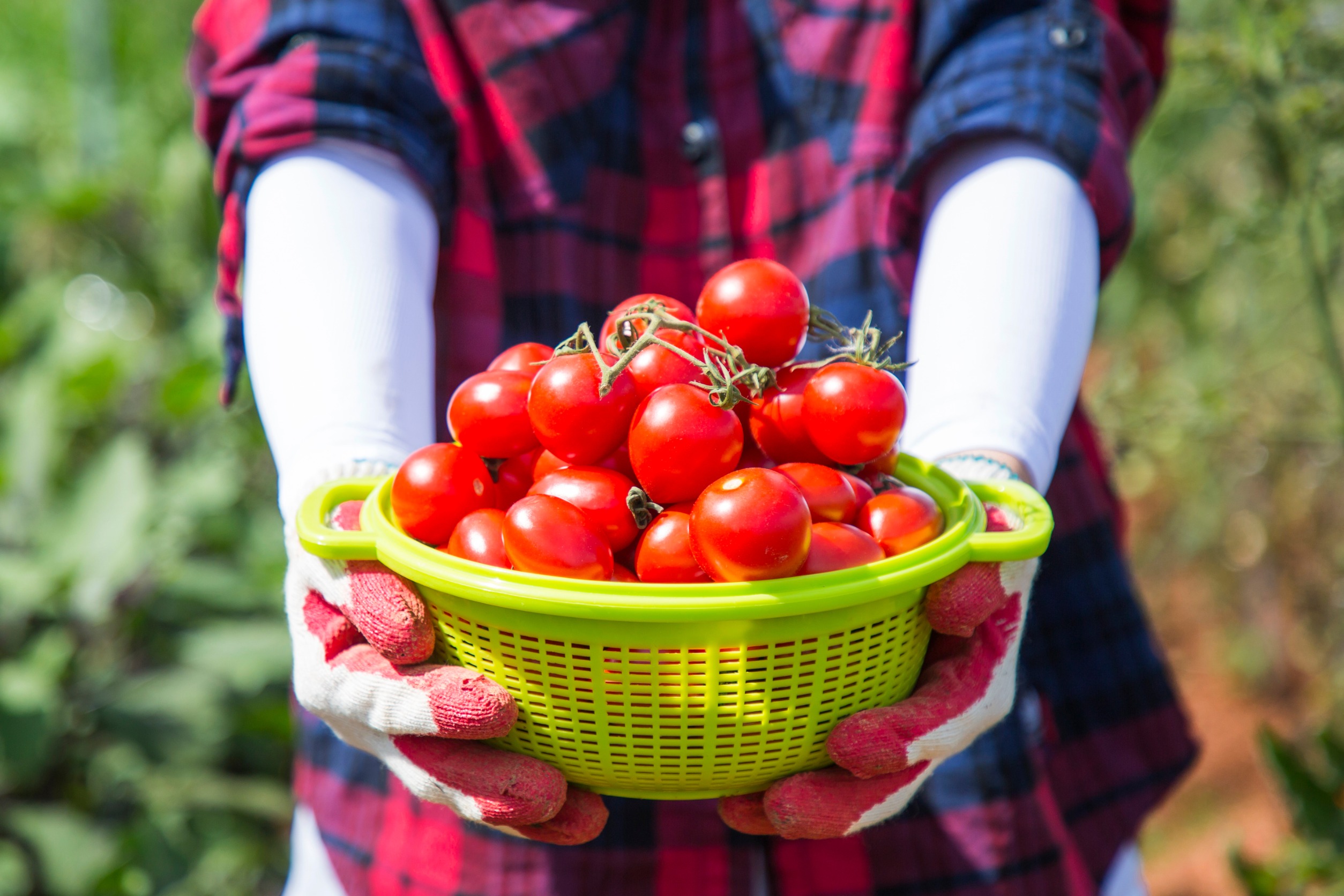
Ready for a Bumper Crop Here’s How to Maximize Your Tomato Harvest
123rf

Tomatoes are one of the most rewarding plants to grow, but achieving a bountiful harvest takes knowledge and effort. Whether you’re a seasoned gardener or a beginner, understanding the key steps to cultivating tomatoes can make all the difference. Let’s dive into expert tips to help you maximize your tomato harvest this season.

1. Choose the Right Tomato Varieties

The first step to a successful harvest is selecting the best tomato varieties for your climate and purpose. Determinate varieties, such as Roma, are ideal for canning and sauces, while indeterminate types, like Cherry or Beefsteak, produce fruit throughout the season. Heirloom tomatoes offer rich flavors, while hybrids are often more disease-resistant. Consider your garden space—container-friendly varieties are perfect for smaller areas. Researching and matching the variety to your needs will set the stage for a fruitful harvest.

2. Prepare Nutrient-Rich Soil
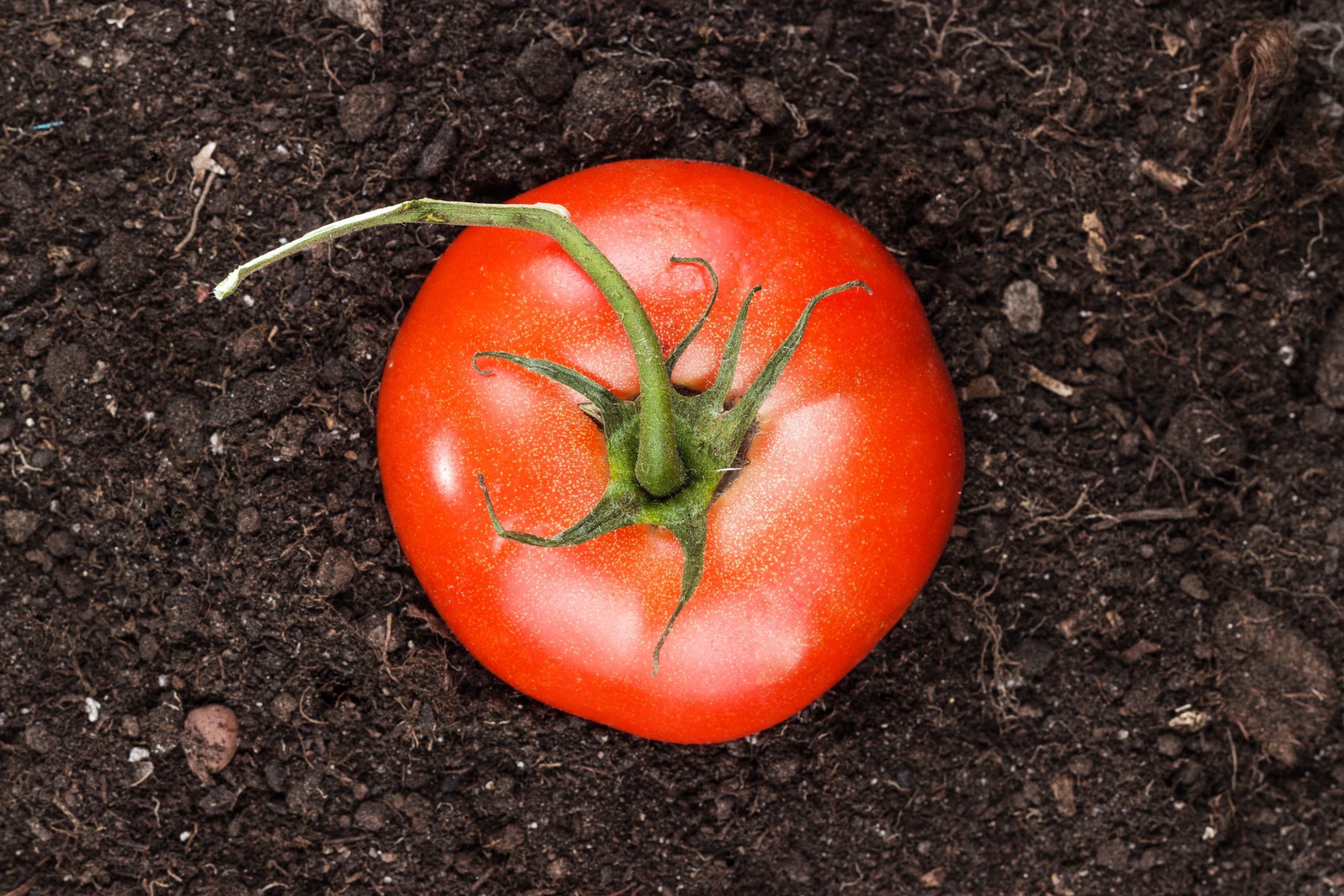
Prepare Nutrient-Rich Soil
123rf

Healthy soil is the foundation of a thriving tomato crop. Tomatoes require soil rich in organic matter and nutrients like potassium, phosphorus, and nitrogen. Before planting, mix compost or aged manure into the soil to boost fertility. Test your soil’s pH, aiming for a range of 6.0 to 6.8, which is optimal for tomato growth. Regularly replenish nutrients with natural fertilizers during the growing season to support fruit development.

3. Master the Art of Proper Planting

How you plant your tomatoes significantly impacts their growth and yield. Space plants at least 18-24 inches apart to allow air circulation and reduce the risk of diseases. Bury a portion of the stem when planting to encourage root growth, which stabilizes the plant and enhances nutrient uptake. Installing stakes or cages early supports plants as they grow and prevents sprawling. Mulching around the base retains moisture and controls weeds. Planting strategically sets your tomatoes up for success.

4. Optimize Watering and Sunlight
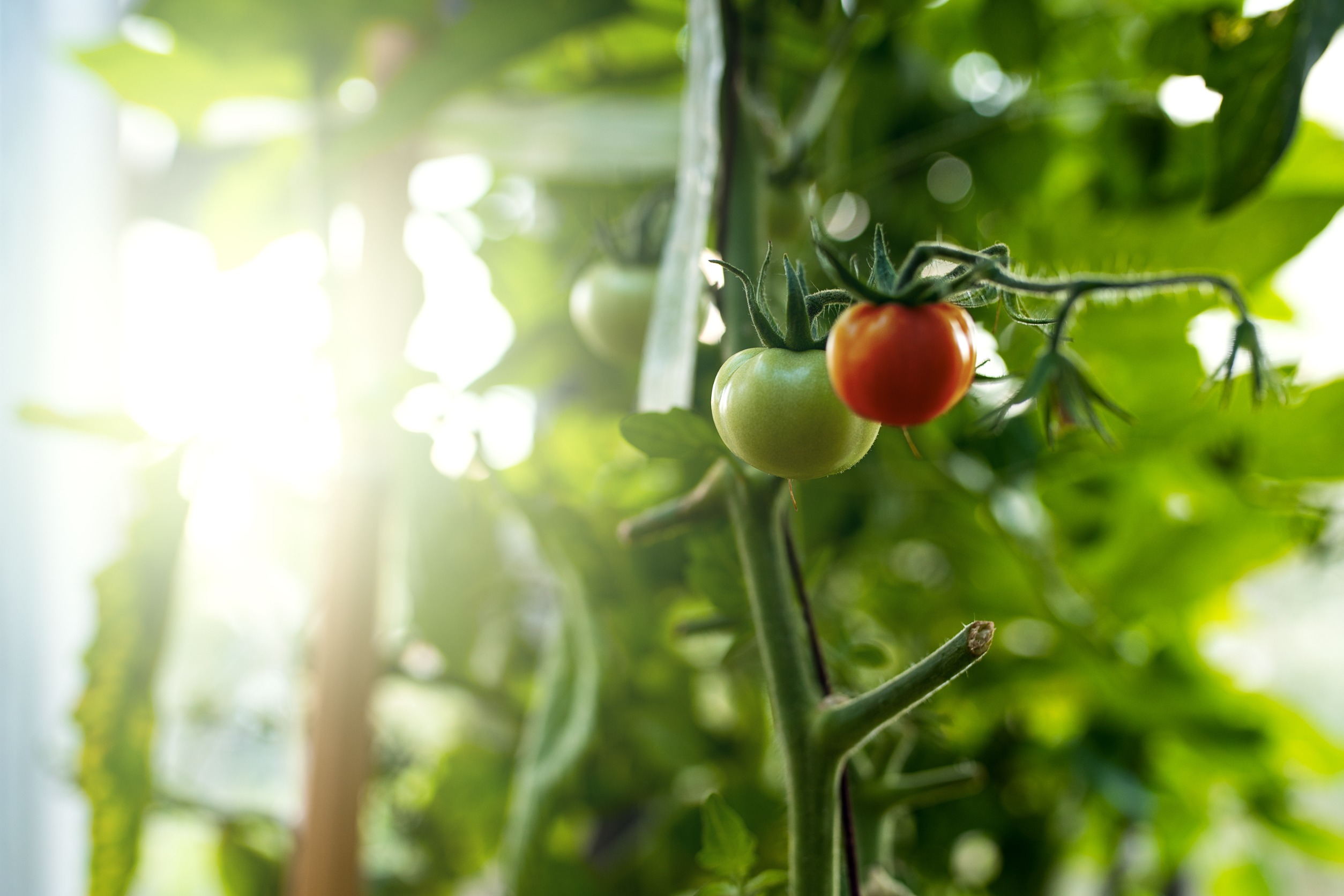
Optimize Watering and Sunlight
123rf

Tomatoes thrive on consistent watering and ample sunlight. Provide 1-2 inches of water weekly, adjusting based on weather and soil type to avoid overwatering or drought stress. Water deeply at the base to encourage root growth and prevent fungal issues. Ensure your plants get at least 6-8 hours of sunlight daily for maximum photosynthesis. Adding shade cloth in extreme heat can protect tomatoes from sunscald. Striking the right balance keeps plants healthy and productive.

5. Prune and Monitor for Pests

Pruning helps tomato plants focus energy on fruit production and reduces overcrowding. Remove suckers (small shoots between the main stem and branches) to direct nutrients to the main stems. Regularly inspect your plants for pests like aphids, hornworms, or whiteflies. Introduce natural predators such as ladybugs or use organic insecticidal soap for infestations. Keep an eye out for signs of disease, like yellowing leaves or spots, and address them promptly. Vigilant care ensures your harvest stays on track.

Enjoy Your Best Tomato Harvest Yet

Maximizing your tomato harvest requires careful planning, proper planting techniques, and consistent care. By choosing the right varieties, nurturing nutrient-rich soil, and staying vigilant against pests, you can enjoy a bumper crop of flavorful tomatoes. Whether you’re growing in containers or a backyard garden, these tips will help you achieve a harvest to be proud of. With dedication and a little know-how, your tomato plants will reward you with plenty of delicious fruit all season long.

Vanessa Bermudez

Vanessa Bermudez is a content writer with over eight years of experience crafting compelling content across a diverse range of niches. Throughout her career, she has tackled an array of subjects, from technology and finance to entertainment and lifestyle. In her spare time, she enjoys spending time with her husband and two kids. She’s also a proud fur mom to four gentle giant dogs.

Filed Under: garden tips Tagged With: Best tomato care practices, how to grow tomatoes, Maximize tomato yield, Tomato gardening advice, Tomato harvest tips

Previous Post: « Winter Food Budgeting for the Frugal Gardener
Next Post: Indoor Avocado Plant Care Made Easy: Tips for Thriving Avocado Trees at Home »

Reader Interactions

Leave a Reply Cancel reply

Your email address will not be published. Required fields are marked *

Primary Sidebar

Struggling to get your garden off the ground? Put those days behind you with our special starter kit – perfect for thrifty green thumbs everywhere. Get growing and add a splash of color today!

Popular Posts

  • usda free seeds websiteHow To Get Free Seeds From The Government by Amanda Blankenship Seeds might seem like a small expense, but any seasoned…
  • Enviro Ice On PlantsShould I Use Enviro Ice On My Plants? by Kathryn Vercillo Every week, I receive food from Hungryroot. It's a great…
  • is shredded paper good for the gardenFrom Trash to Treasure: Transform Shredded Paper Into Garden Gold by Amanda Blankenship Should you use shredded paper as garden mulch? It might…
  • Enviro IceWhat Happens to Plants If You Use Enviro Ice on Them? by Amanda Blankenship About a year ago, I wrote our first article about…
Should You Let Cilantro Go to Seed in Hot Weather?

Should You Let Cilantro Go to Seed in Hot Weather?

Cilantro has a reputation for making a sudden exit when summer temperatures climb. One week, the plant looks lush and ready for tacos, salsa, and a heroic amount of fresh garnish. The next week, it shoots upward, produces delicate flowers, and seems determined to turn the entire garden into a seed-production facility. So, should you…

Read More

7 Fragrant Plants That Make Evening Gardens More Enjoyable

7 Fragrant Plants That Make Evening Gardens More Enjoyable

When the sun drops and the garden cools, fragrance can turn an ordinary backyard into the best seat in the house. The right plants can send sweet, spicy, citrusy, or almost honey-like scents drifting across a patio, along a walkway, or through an open window, giving evening gardens a personality that daylight sometimes misses. A…

Read More

What Is Making Your Zucchini Fruit Shrivel Before Growing?

What Is Making Your Zucchini Fruit Shrivel Before Growing?

Zucchini fruit that shrivels before it grows usually points to a problem with pollination, water, pests, or plant stress. The tiny squash may look promising one day, then turn yellow, wrinkle, and drop off before it reaches anything close to harvest size. That frustrating little zucchini failure can make a gardener question everything from the…

Read More

5 Ways to Turn a Bare Fence Into a Productive Growing Space

5 Ways to Turn a Bare Fence Into a Productive Growing Space

A bare fence does more than sit there looking like a giant wooden shrug. With the right plants, containers, supports, and a little planning, that unused vertical space can produce herbs, vegetables, berries, flowers, and even a surprising amount of food. The trick involves matching the growing method to the fence and the plants instead…

Read More

  • About
  • Contact Us
  • Garden Frugally
  • Buy These
  • Our Editorial Commitment
  • Navigation Menu: Social Icons

    • Facebook
    • Pinterest
    • Twitter
  • Facebook
  • Pinterest
  • Twitter

Copyright © 2026 · Foodie Pro & The Genesis Framework