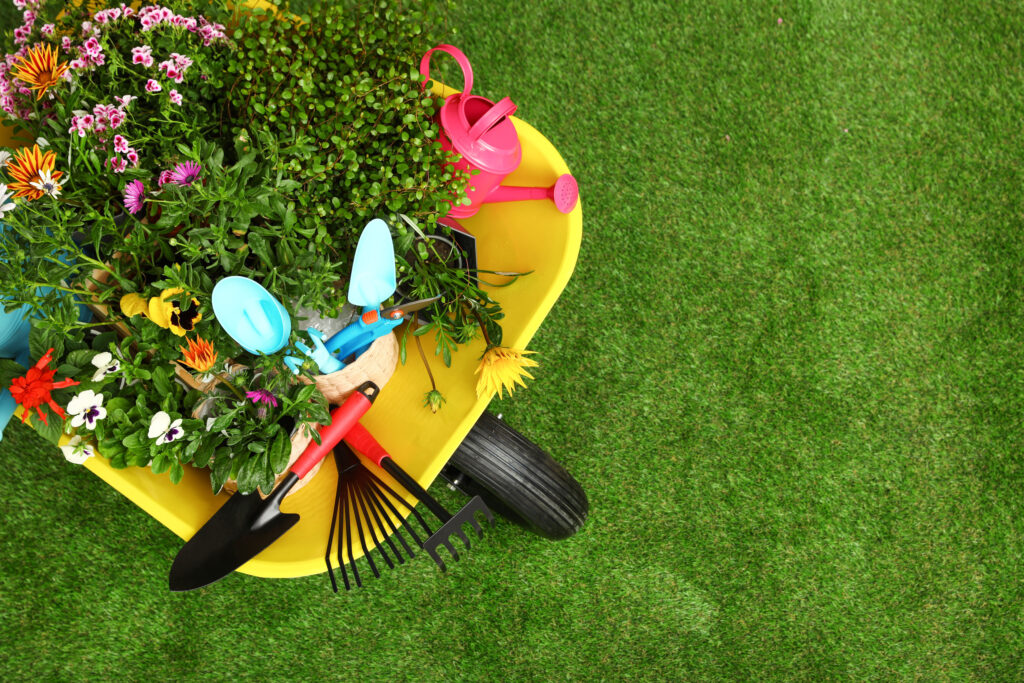
Did you know that it’s important for you to disinfect your garden tools? It is! You want to do this regularly. If you’re having a problem with fungus or bacteria, then you should even disinfect items before using them to work on different sections of the garden. It’s not hard, though, so don’t fret. And it doesn’t have to be expensive either. Here are some frugal ways to disinfect garden tools.
Why You Have to Disinfect Garden Tools
First of all, you should regularly clean your garden tools. After all, the better shape you keep your tools in, the longer that they’re going to last, and the better they’ll do their job. So, you should regularly clean with water, soap, scrubbing, etc. to keep those tools in good shape. Get rid of the dirt, sap, rust, etc.
You don’t have to disinfect garden tools every single time that you use them. However, you’ll want to do so periodically. For example, you might do so at the start or end of each gardening season. That said, if you experience a problem with fungi or bacteria, get proactive and disinfect more often. After all, you don’t want to spread the problem all around your garden!
Frugal Ways to Disinfect Garden Tools
Here are some of the most common frugal ways to disinfect garden tools that we know:
1. Bleach Water
There’s a lot of debate about whether or not you want to use bleach in your garden. If you’re growing food that you want to eat, or you regularly have pets or kids in your garden, then you might find bleach to be too toxic an option. However, we’ll start here, because it’s one of the most common frugal ways to disinfect garden tools. Gardening.org recommends a solution of nine cups hot water to one cup of chlorine bleach.
Note: Bleach is fine for most of your garden tools but it’s not good for your plants. It can kill them. Therefore, if using this option, do your disinfecting away from the actual garden itself.
2. Distilled White Vinegar
For those of you who don’t want to use bleach in the garden, which is totally understandable, try vinegar instead. Gardening.org says that you can use distilled white vinegar on its own or make a 50/50 solution with water. Either way works to disinfect your garden tools.
Note: Like with bleach, you want to use the vinegar outside of the actual garden area in order to protect the plants.
3. Alcohol
Obviously, alcohol is one of the most common disinfectants that most people use around the home. Chances are that you already have some. University of Florida’s Gardening Solutions says it’s a terrific option for disinfecting garden tools. When you use bleach or vinegar, you usually have to create a solution in which to soak your tools. In contrast, you can simply wipe alcohol onto your tools, wipe it off, and you’re ready to go. If you do want to make a solution, it can be as much as 100% alcohol or you can distill it with water but it shouldn’t be less than 70% alcohol. U of F says that you can use ethanol or isopropyl alcohol.
4. Trisodium Phosphates (TSPs)
Here’s another one from the University of Florida list. They note that it’s a great option because it’s one of your most frugal choices. However, it’s also highly corrosive, so you want to be especially careful if using this one. Like with the bleach water, you want nine parts water to one part TSP. And, as you probably would with bleach, you want to keep it far away from your skin.
5. Bleach-Free Disinfectant Wipes
HGTV recommends this option for easily wiping down tools. If you want to disinfect regularly between uses, this can be a terrific option. We wouldn’t necessarily have always put this on a list of frugal choices. However, with COVID-19, many people have started using these regularly in their homes. If they’re already worked into your budget, then they’re a fairly frugal choice.
Read More:
- Cheap Must-Have Tools for Frugal Gardeners
- Keep the Garden Well-Watered: 5 Tried and True Tools
- Winding Down for the Season

Kathryn Vercillo is a long time writer, crafter and author of several books. A resident of San Francisco, she is committed to helping others explore, articulate and share their own individuals stories. When she’s not evaluating investing opportunities Kathryn is an avid knitter, researcher, and blogger.
Leave a Reply