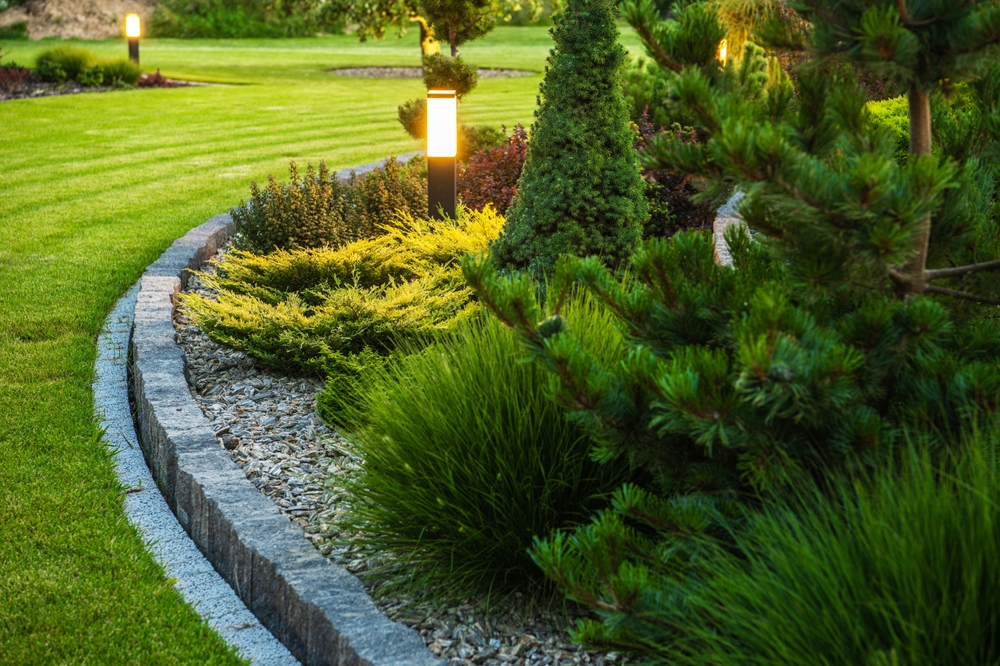
Winter’s palette is often described as monochrome—a world of stark whites, somber grays, and muted browns. But look closer. Against that quiet canvas, a stand of pine, spruce, or fir doesn’t just sit there; it sings. It’s a deep, resonant note of life when everything else seems to be holding its breath.
If your garden strategy packs up with the summer sun, you’re missing one of the most dramatic acts in the horticultural year. So, let’s settle the debate: are evergreens merely background players, or are they the secret stars of a vibrant winter garden?
The Myth Of The Sleeping Garden
Many gardeners resign themselves to a barren landscape from November to March, treating it as an unavoidable dormancy. This perspective overlooks winter’s unique visual stage, where structure and texture take center stage. Evergreens provide the essential framework, the “bones” that prevent your yard from looking like a vacant lot. Without them, there is no canvas upon which to layer other winter interest. They are the steadfast anchors that keep the garden looking designed and intentional, even under a blanket of snow.
Green Is Not A Single Colour
To say evergreens are “green” is like saying gemstones are “shiny”—it’s a dramatic understatement. The spectrum is astonishing, from the blue-steel needles of a Colorado Blue Spruce to the golden tips of a ‘Sunshine’ Japanese cedar. You have the near-black depth of some yews, the warm, yellow-tinged foliage of a ‘Rheingold’ arborvitae, and the bright, almost lime-green new growth of certain pines. This variety allows for sophisticated colour blocking and contrast long after the last perennial has faded. Strategically placing a golden conifer where it catches the low winter sun can literally make it look like it’s glowing from within.
The Textural Symphony Of Needle And Scale
Winter light is a master sculptor, and evergreens are its favorite medium. The low-angled sun highlights textures we ignore in summer’s glare. It picks out the soft, bottlebrush plumes of a hemlock, the rigid, architectural spikes of a Norway spruce, and the flat, feathery fans of an arborvitae. This textural interplay is crucial for visual interest when flowers are absent. A fine-textured juniper tumbling over a wall creates a cascade of delicate detail, while the bold, long needles of a white pine add a touch of soft, whimsical form. Mixing these textures creates a rich, tactile tapestry that begs to be observed up close.
Beyond Green: Cones, Berries, And Bark
The savvy gardener chooses evergreens that offer encore performances beyond their foliage. Many conifers produce decorative cones that add brown, purple, or even crimson accents, like the tiny, papery ornaments on an Alaskan cedar or the large, iconic cones of a fir tree. Hollies and junipers add vibrant pops of red or blue berries, a crucial food source for birds that also adds dynamic colour.
Don’t forget the bark: the peeling, cinnamon-colored strips of a mature lacebark pine or the striking, reddish trunk of a Scots pine add another layer of visual firepower to your winter strategy.

A Living Framework For Winter Magic
Evergreens are the ultimate supporting actors, making everything else in your winter scene look better. They provide a dark, velvety backdrop that makes the red stems of a dogwood shrub absolutely pop and catch and hold falling snow, creating picturesque, sculptural forms that change by the hour. They shelter bird feeders and wildlife, adding movement and life to the view from your window. Their consistent presence highlights the delicate beauty of frost on seed heads or the first brave bloom of a winter hellebore. They are the stage managers of the winter garden, setting the scene for fleeting moments of beauty.
Your Winter Verdict
So, do evergreen trees belong in a winter colour strategy? The answer is a resounding and enthusiastic *yes*. They are far from static, green lumps; they are dynamic, multifaceted players that provide essential structure, a stunning array of hues, captivating texture, and bonus features. They transform the winter garden from an empty, forgotten space into a purposeful, dramatic, and deeply beautiful landscape. By choosing a diverse mix of evergreens, you ensure your garden engages the senses and lifts the spirit all year long.
Now, we’d love to hear from you! Do you have a favorite evergreen that shines in your winter garden? Have you designed a specific winter colour scheme? Share your thoughts, stories, or photos in the comments section below!
You May Also Like…
Add These Evergreens Now for a Stunning Winter Landscape
Why Evergreen Plantings Provide More Than Color
7 Evergreens That Add Color All Winter Long
12 December Gardening Tasks That Most Homegrowers Forget
9 Winter Plants That Actually Thrive in Freezing Temperatures

Brandon Marcus is a staff writer for FrugalGardening.com at District Media, Inc., where he delivers practical gardening advice with a relatable, no-nonsense style. An avid amateur gardener, he holds a BA degree and with over ten years of professional writing experience, he is also an award-winning published author whose first book, Questions For Deep Thinkers, was released by Adams Media. His work has appeared in major publications including Fandom.com, CHUD.com, TheColdWire.com, and Fansided.com.
Leave a Reply