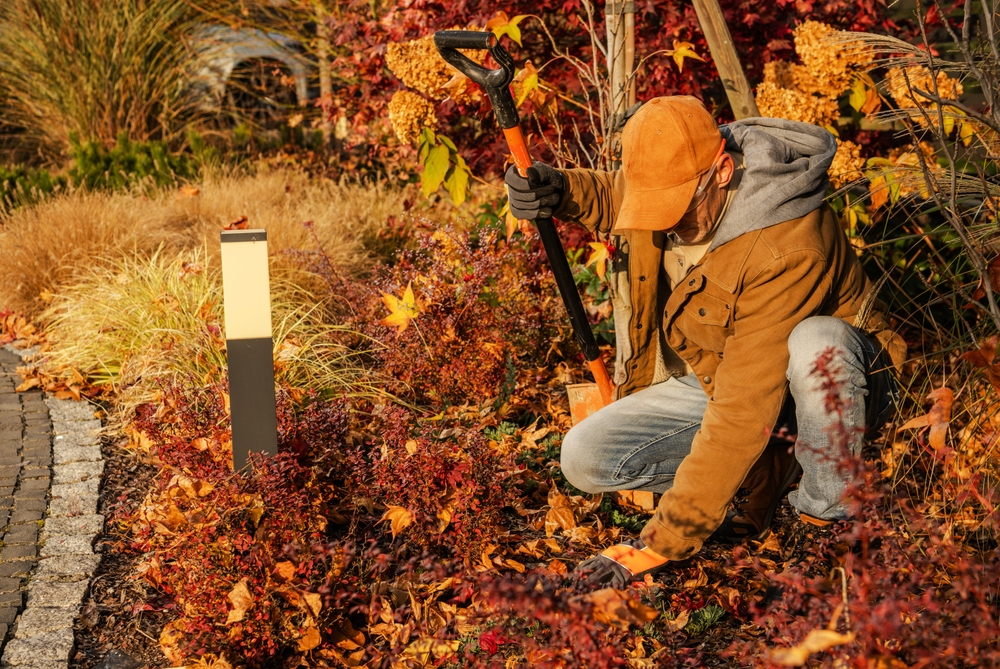
Is there anything better than a crisp autumn morning, when the air smells faintly of earth and cinnamon, and you’re out in the garden with a trowel in one hand and a mug of coffee in the other?
Most people think gardening season ends when the leaves start to fall—but you, savvy gardener, know better. Fall isn’t the finale; it’s the secret opening act to next year’s flower show.
While everyone else is packing up their tools, you’re setting the stage for the kind of spring bloom that makes neighbors peek over the fence in envy. Welcome to the magical world of fall planting—the quiet investment that pays off in petals.
The Science Of The Season
Plants, like people, need downtime to perform their best. When you plant in the fall, you’re giving roots a head start before the spring rush. Soil temperatures stay warm long after the air cools, creating ideal conditions for root development. During this time, plants focus their energy underground, building strong root systems that will later power lush, abundant blooms. Think of it as letting your plants settle in before the chaos of spring—while everyone else is scrambling to catch up, yours are already thriving beneath the surface.
Why Timing Is Everything
The beauty of fall planting lies in its perfect timing. Cooler temperatures mean less stress for new plants, while the occasional autumn rain keeps the soil moist without drowning tender roots. It’s like nature’s version of a spa day for seedlings and bulbs. By the time spring rolls around, these plants are ready to burst forth with strength and stamina, while spring-planted ones are still stretching and yawning awake. Timing isn’t just everything—it’s the secret sauce to a longer, more vibrant bloom cycle.
Fall Planting Fuels a Longer Bloom Window
Here’s where the real magic happens fall planting extends your bloom cycle into next year. By getting perennials, bulbs, and even some annuals into the ground now, you’re giving them the advantage of early establishment. These early risers bloom sooner in spring and often continue producing flowers longer into summer. You’ll enjoy color in your garden weeks before your neighbors even see buds. It’s a simple trick, but the payoff is enormous a longer, fuller, and more consistent bloom season that feels like cheating (but isn’t).
Perennials Love the Fall Start
Perennials are the ultimate beneficiaries of fall planting. When you tuck them into the soil now, they spend the cool months quietly strengthening their root networks. That head start means they’ll return with fuller foliage, stronger stems, and more blooms next season. It’s especially true for plants like peonies, coneflowers, and hostas, which prefer to establish before the stress of summer heat. Fall planting essentially lets your perennials train in the off-season so they can perform like champions when it counts.
Bulbs Are Born for Autumn
Tulips, daffodils, hyacinths—these beauties are practically begging to be planted in fall. They need the cold winter months to rest, recharge, and prepare for spring’s grand entrance. When you plant bulbs now, you’re mimicking their natural life cycle, ensuring stronger shoots and more synchronized blooming. Waiting until spring means you’ll miss that critical dormancy period that nature built right in. So grab your gloves, dig a few holes, and let those bulbs settle in—they’ll reward you with a riot of color when the snow melts.
Fall Annuals Set the Stage for Spring Energy
It’s not just perennials and bulbs that benefit—some hardy annuals thrive when planted in the fall, too. Flowers like pansies, violas, and calendula can handle the chill, rooting deeply before going semi-dormant. When spring arrives, they’re already established and ready to explode into bloom long before new seedlings catch up. It’s like having the first ticket to the flower show while everyone else is still standing in line. These cool-season annuals bring both early color and lasting impact to your garden’s rhythm.
Better Soil, Better Blooms
Another overlooked perk of fall planting? The soil itself. Cooler temperatures mean fewer weeds and pests, giving your plants the best possible environment to settle in. Plus, fall’s decomposing leaves and organic matter enrich the soil naturally, providing slow-release nutrients that roots adore. By planting now, you’re syncing with nature’s compost cycle instead of fighting against it. Come spring, your soil will be alive, healthy, and perfectly prepped for a blooming frenzy.
Less Work, More Reward
Here’s the part that every gardener loves to hear—fall planting is less work overall. There’s less watering to do, fewer weeds to battle, and cooler temperatures make the labor more enjoyable. You’re not racing the summer sun or dealing with parched soil. Everything you plant now gets to settle in peacefully, while you get to feel smugly productive. When spring rolls around, you’ll be sipping lemonade on the porch while everyone else scrambles to get their hands in the dirt.
Extending the Color into Summer
Fall planting doesn’t just affect spring—it stretches color well into summer. Because fall-planted roots are stronger and better developed, the plants can sustain longer bloom cycles once temperatures rise. They’re more resilient to heat stress and recover faster after blooming, allowing for repeat flowering or extended blossom life. It’s the difference between a short, flashy performance and a full-season garden concert. When you invest the time in fall, your flowers will reward you with an encore that keeps going long after the applause starts.
Confidence In Every Shovel of Soil
There’s something deeply satisfying about fall planting—it feels intentional, hopeful, and smart. You’re not just gardening; you’re strategizing. You’re creating a timeline where every bloom has its moment, every color has its place, and your garden feels alive for months on end. Each bulb, root, or seed you plant in fall is a promise to your future self—a little secret you’ll smile about when spring arrives in a burst of color. Fall gardening isn’t just about extending the bloom; it’s about extending the joy.
Fall Planting Is the Smart Gardener’s Secret
Fall planting isn’t an afterthought—it’s the master key to a longer, stronger, more breathtaking bloom cycle next year. It’s the quiet prep work that makes your garden look effortless come spring. By taking advantage of nature’s rhythms, you’re giving your plants the foundation they need to dazzle.
So, grab your gloves, dig in, and start planting while the air is crisp and the ground still warm.
Have you tried fall planting before? Share your success stories, favorite blooms, or epic gardening lessons in the comments.
You May Also Like…
5 Fall Planting Mistakes That Kill Your Harvest
How Crop Rotation Planning Starts in Autumn
Why Compost Smells Different in Autumn
10 Plants Deer Target More Often in Fall
7 Tricks for Keeping Roses Blooming Longer

Brandon Marcus is a staff writer for FrugalGardening.com at District Media, Inc., where he delivers practical gardening advice with a relatable, no-nonsense style. An avid amateur gardener, he holds a BA degree and with over ten years of professional writing experience, he is also an award-winning published author whose first book, Questions For Deep Thinkers, was released by Adams Media. His work has appeared in major publications including Fandom.com, CHUD.com, TheColdWire.com, and Fansided.com.
Leave a Reply